Last reviewed and updated: February 2026
If you’ve considered using Beet Flow to improve digestion, you may have questions before buying this natural supplement. This article answers the most common questions people have about the Beet Flow supplement—what it is, how it works, and what to realistically expect.
It’s not a symptom checklist or a dosing guide.
If you’re trying to determine whether sluggish bile is the issue, start with my 7 signs of sluggish bile flow article.
If you want exact instructions, timing guidance, and safety considerations, start with my How to Take Beet Flow Safely guide. That page serves as the central reference for using Beet Flow appropriately.
This FAQ exists to clarify confusion, address safety questions, and explain where Beet Flow fits into a daily wellness routine—without repeating information found elsewhere.

Disclaimer: This article is for educational purposes only and does not replace medical advice. Always consult a qualified healthcare provider for diagnosis or treatment decisions. I’m not a doctor—I’m a health coach who lost over 100 pounds while improving my own digestive health using the same natural methods I teach on my website and YouTube channel. Affiliate Disclosure: This article contains affiliate links. I only recommend products I personally use and trust.
What Is the Beet Flow Supplement?
Beet Flow is a dietary supplement made from organic beet root extract, specifically beet root greens rather than beet root powder. It’s designed to support bile flow, which plays a crucial role in fat digestion, nutrient absorption, and overall digestive comfort.
Unlike beet juice or beetroot juice products commonly used for athletic performance, Beet Flow is formulated for digestion—not muscle pumps or pre-workout effects.
For a deep dive into the formulation and quality behind this product, see my Beet Flow Empirical Labs review.
If bile flow is a new concept, this short explanation from Kick It Naturally breaks down what “stuck bile” actually means.
Is Beet Flow the Same as Beet Juice or Beetroot Powder?
No. This is one of the biggest points of confusion.
-
Beet juice / beetroot juice → typically used for blood flow, energy levels, and athletic performance
-
Beet root powder → often marketed as a nitric oxide booster
-
Beet Flow → formulated specifically to support bile flow, digestion, and fat metabolism
Fresh beets, beet juice, and beetroot juice contain dietary nitrates that support nitric oxide production and blood circulation. Beet Flow focuses on digestion rather than acting as the best nitric oxide supplement or nitrate supplement.
Does Beet Flow Support Blood Flow or Blood Circulation?
Indirectly, yes—but that’s not its primary purpose.
Healthy bile flow supports nutrient absorption, which can influence energy levels and overall wellness. Beets also contain beneficial compounds that support blood circulation and help neutralize free radicals, but Beet Flow is not a nitric oxide supplement and is not designed to lower blood pressure or target systolic blood pressure directly.
If your goal is cardiovascular health, healthy blood pressure, or blood vessels support, beet juice or nitric oxide supplements may be more appropriate.
Can Beet Flow Lower or Raise Blood Pressure?
Beet Flow is not intended to treat high blood pressure or low blood pressure.
While beets in general have been studied for effects on healthy blood pressure due to dietary nitrates, Beet Flow is formulated for digestion. Anyone with high blood pressure, low blood pressure, or cardiovascular medical conditions should speak with a healthcare provider before use.
Who Typically Uses Beet Flow?
People often explore Beet Flow when they notice signs of poor fat digestion or sluggish bile flow, such as feeling heavy after meals or struggling to tolerate fats.
It’s commonly used by individuals who:
-
Have dieted for years
-
Have used antacids or acid suppressors long-term
-
Want digestion support as part of a daily routine
-
Are focusing on overall wellness rather than quick fixes
Individual results vary, and Beet Flow works best alongside proper nutrition and a healthy diet.
In this video, I share how Beet Flow fit into my own digestion-first routine and who I’ve seen benefit most from it.
Is Beet Flow a Drug or Regulated Medication?
No. Beet Flow is a dietary supplement—not a medication—and is not regulated by drug administration standards.
It’s produced by Empirical Labs, a practitioner-focused company known for formulation quality rather than trend-based marketing. Supplements should always complement—not replace—medical care.
Are There Side Effects?
Some people experience mild side effects when supporting bile flow, especially early on. These can include temporary digestive changes as bile movement improves, such as nausea or occasional constipation.
If discomfort occurs, stop use and consult a healthcare provider. Anyone with gallbladder disease, bile duct obstruction, or unexplained abdominal pain should seek medical guidance before use.
Can Beet Flow Be Used Long Term?
Many people use Beet Flow as part of a longer-term digestion strategy. Because it works gently—rather than forcing bile release—it’s often viewed as suitable for ongoing use when paired with a healthy lifestyle.
That said, best results come from combining bile flow support with:
-
Adequate protein and healthy fats (like olive oil)
-
Digestive enzymes when appropriate
-
Stress management
-
Proper nutrition, including essential vitamins such as vitamin B and vitamin C

Empirical Labs Beet Flow supplement facts label showing bile-support ingredients
When Should You Add Betaine HCL?
Betaine HCL is not a starting supplement for most people. It’s typically considered after bile flow support is in place, not before.
You may want to learn more about Betaine HCL if:
-
You feel overly full after protein-heavy meals
-
Protein seems to “sit” in your stomach
-
You experience frequent burping or reflux after eating
-
You’ve used antacids or acid suppressors long term
-
You suffer from chronic constipation or regularly see food in your stool
In the Kick It Naturally framework, stomach acid support is introduced only after ruling out contraindications and once bile flow is moving more freely.
This order matters because bile and stomach acid work together—adding acid when bile is stagnant can increase discomfort instead of improving digestion.
If you’re unsure whether low stomach acid applies to you, start with my low stomach acid symptoms article before considering Betaine HCL.
When Does Digesti-Zyme Make Sense?
Digesti-Zyme is a digestive enzyme that’s typically added as a support tool, not a replacement for digestion.
It’s most useful when:
-
Meals feel heavy or cause bloating
-
You’re increasing protein or healthy fats
-
You’re transitioning off restrictive diets
-
Stress or busy days disrupt digestion
Digestive enzymes help break food down after stomach acid does its job and before nutrients are absorbed in the small intestine.
That’s why enzymes often work best alongside bile flow and stomach acid support—not in isolation.
Many people continue using digestive enzymes long term as part of a daily routine, especially with larger meals or when digestion feels less predictable.

Digestive support works best in sequence: bile flow first, then stomach acid, then enzymes
Where Does Xeneplex Fit In?
Xeneplex is not a daily digestion supplement and isn’t used for bile flow, stomach acid, or enzymes.
It’s typically explored later in the process when someone has:
-
Long-standing digestive stagnation
-
Persistent detox-related symptoms
-
A history of chronic digestive stress
In the Kick It Naturally approach, Xeneplex is viewed as a short-term reset tool, not ongoing support. It’s introduced cautiously and only after foundational digestion support (acid, bile, enzymes) is already in place.
Because this supplement works differently, it’s best approached with education and guidance—not layered on top of everything else at once.
How These Supplements Work Together (Big Picture)
Digestive support works best in sequence, not by stacking everything at once:
-
Bile flow first (Beet Flow)
-
Stomach acid when appropriate (Betaine HCL)
-
Digestive enzymes for breakdown support (Digesti-Zyme)
-
Targeted tools only if needed (Xeneplex)
This is why no single supplement is a “fix.” Each tool supports a different step in digestion—and timing matters.
Does Beet Flow Help With Energy Levels?
Improved digestion can support steadier energy levels by improving nutrient absorption. Some people report better daily energy, but Beet Flow is not a stimulant and does not act like nitric oxide boosters used for muscle pumps or athletic performance.
Its role is indirect—supporting digestion so the body can better use what you eat.
How Long Does It Take to Notice Results?
This varies. Some people notice subtle changes within 1–2 weeks, while others need several weeks of consistent use—especially if bile flow has been sluggish for a long time.
Factors that influence results include:
-
Overall diet quality
-
Fat intake
-
Hydration
-
Whether digestion is supported as a whole (acid, enzymes, bile)
Beet Flow is not a quick fix; it’s a natural way to support digestion over time.
Is Beet Flow Safe to Combine With Other Supplements?
Often, yes—but combinations matter.
Beet Flow is commonly paired with digestive enzymes and stomach acid support as part of a structured digestion approach. Always review supplement combinations with a healthcare provider, especially if you take medications or manage medical conditions.
Where Can You Buy Beet Flow?
Beet Flow is sold through the Natural Reference website. Since shipping fees apply, I typically stock up on a few bottles at a time.
Be wary of cheaper beet root products sold on other websites as they are not the same product and aren’t intended for the same use.
👉 You can learn more about or purchase Beet Flow here
Final Thoughts
Beet Flow is best viewed as a digestion-support tool, not a performance supplement or cardiovascular product. Its role is to support bile flow, which plays a crucial role in digestion, nutrient absorption, and long-term quality of life.
If you’re unsure where to start:
-
Use the 7 signs checklist to identify bile-related patterns
-
Use the How to Take Beet Flow Safely guide for exact dosing, timing, and safety considerations
This FAQ exists to help you make informed decisions—so you can choose what fits your body, your goals, and your overall wellness.
About the Author
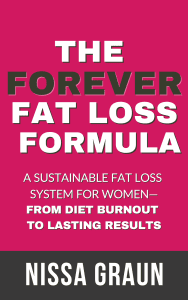
Nissa Graun is a certified health coach who helps women improve digestion and build sustainable fat loss habits without extreme dieting. After losing over 100 pounds while navigating her own digestive challenges, she focuses on whole food-first strategies that support bile flow, stomach acid, and gut health naturally. She’s the author of The Forever Fat Loss Formula. This book teaches women how to eat more, train smarter, and improve digestion for long-term results.


Leave a Reply