Digestive enzymes are often one of the first things people search when they experience occasional bloating, uncomfortable fullness after meals, gas, or the feeling that food isn’t breaking down properly. But then the question becomes—what are the best digestive enzyme supplements?
These types of supplements contain enzymes that help break down protein, fats, carbohydrates, and certain fibers so nutrients can be absorbed more efficiently. If you’re new to enzyme support, it can help to first understand how digestive enzymes work.
For some people, targeted enzyme support can make meals feel lighter, reduce digestive discomfort, and improve how your body uses the food you eat—especially when digestion already has a strong foundation.
In my own experience—after decades of digestive issues and a 100-pound weight loss journey—digestive enzymes became helpful once the earlier steps of digestion were supported. Rather than acting as a quick fix, they worked best as one piece of a bigger digestion strategy.
That’s because food breakdown doesn’t start with enzymes alone. Stomach acid, bile flow, and enzyme activity all work together. When one step is out of sync, adding enzymes without context can sometimes limit results.
In this guide, you’ll learn how digestive enzyme supplements work, when they may be helpful, what to look for when choosing one, and how they fit into a step-by-step approach to improving digestion.

Disclaimer: This article is for educational purposes only and does not replace medical advice. Always consult a qualified healthcare provider for underlying health conditions, diagnosis or treatment decisions. I’m not a doctor—I’m a health coach who lost over 100 pounds while improving my own health issues using the same natural methods I teach on my website and YouTube channel.
This article contains affiliate links. I only recommend products I personally use and trust.
What Are Digestive Enzyme Supplements?
Digestive enzyme supplements contain a blend of enzymes that help your body break down essential nutrients like proteins, fats, carbohydrates, and dietary fiber.
Your body makes natural digestive enzymes in the salivary glands, stomach, pancreas, and small intestine—but many people experience low stomach acid and digestive juices, sluggish bile flow, or insufficient natural enzyme production.
When these earlier steps aren’t fully supported, your body’s ability to break down food efficiently before it moves through the digestive tract could be impaired.
This is when supplementation becomes useful—not as a replacement for digestion, but as additional support while underlying pieces improve.
Common enzyme types include:
- Protease – breaks down protein
- Amylase – breaks down complex carbohydrates
- Lipase – breaks down fats
- Lactase – helps digest lactose (great for lactose intolerance)
- Alpha-galactosidase – helps with high-FODMAP-related gas from foods like beans and cruciferous veggies
Because each enzyme targets specific nutrients, supplements can sometimes help reduce digestive issues. This includes bloating, gas, abdominal pain, acid reflux, and uncomfortable fullness after meals—particularly when symptoms relate to incomplete food breakdown.
If you notice these symptoms regularly, it may signal that digestion needs additional support rather than simply avoiding foods that trigger discomfort.
Why Enzymes Alone Won’t Fix Digestive Problems
Many people try digestive enzyme supplements as a first step, hoping they’ll resolve digestive discomfort on their own. While enzymes can be helpful, they typically work best when the earlier stages of digestion are functioning well.
Here’s why:
Stomach Acid
Low levels of stomach acid (hydrochloric acid) can prevent food from breaking down properly before it reaches the small intestine.
When food isn’t adequately acidified, enzyme activity may be less effective. That’s because because larger food particles haven’t been prepared for further breakdown.
Bile Flow
Healthy bile flow plays an important role in fat digestion and nutrient absorption. When poor bile flow is present, fats may not emulsify efficiently. This can limit how well lipase and other enzymes do their job.
When stomach acid and bile flow are better supported, digestive enzyme supplements can help fine-tune food breakdown, making meals feel easier to digest and nutrients easier to absorb. That’s often why enzymes feel more helpful for some people than others.

Digestive support supplements often used together as part of a broader digestion strategy.
Signs You Might Benefit from Digestive Enzyme Supplements
Some symptoms may suggest that food isn’t being fully broken down before it moves through the digestive tract. In these situations, targeted enzyme support can sometimes make meals feel easier to tolerate while underlying digestion improves.
You may notice this pattern if you experience:
- Bloating after high-protein meals
- Painful gas (especially after veggies or dairy)
- Abdominal pain after eating
- Floating stools
- Acid reflux
- Occasional digestive discomfort
- Celiac disease or IBS-type symptoms
- Digestive issues after eating dairy products
- Uncomfortable symptoms even when eating healthy foods
Because different enzymes target different nutrients, these symptoms can sometimes reflect incomplete breakdown of protein, fats, or carbohydrates rather than a problem with the foods themselves.
Digestive enzyme supplements may help your body digest food more efficiently. That way nutrients are better absorbed and meals feel less uncomfortable.
For many people, enzymes work best as supportive tools used during periods when digestion feels strained rather than something required indefinitely.
How Digestive Enzymes Fit Into the Full Kick It Naturally Protocol
In my experience, digestive enzyme supplements tend to work best when they’re used alongside other pieces of digestion rather than as a starting point on their own. Supporting my digestion as a whole is what helped me move past decades of digestive struggle.
Many people begin by supporting bile flow so fats can be emulsified and nutrients are easier to absorb. Others focus on restoring stomach acid levels so food is properly prepared before reaching the small intestine.
Once those foundations are more stable, digestive enzyme supplements can help fine-tune food breakdown—particularly during heavier meals or when digestion feels more strained.
While enzyme support isn’t always needed at every meal, some people choose to use digestive enzymes in supplement form to help extract nutrients from foods that previously felt difficult to tolerate.
If you’d like a visual explanation of how these digestion pieces work together, you can see the full sequence here.
Digestive enzymes are often used:
- With larger meals
- When eating foods that tend to cause mild bloating
- During higher-fat or higher-protein meals
- When eating restaurant meals or unfamiliar foods
- With foods that are harder to break down, such as certain high-FODMAP ingredients
Situations where enzymes may be less helpful include relying on them as a replacement for stomach acid support, bile flow support, or as a long-term substitute for addressing underlying digestion patterns.
This distinction helps shift digestive enzyme supplements from symptom management toward supportive use within a broader digestion strategy.
What to Look for in the Best Digestive Enzyme Supplements
If you want the best results, look for digestive enzyme supplements that match the types of foods you eat and the digestive challenges you’re experiencing.
A full-spectrum enzyme blend
Look for protease, lipase, amylase, and cellulase to support breakdown of protein, fats, carbohydrates, and plant fibers.
Specific enzymes when needed
Lactase supplement for dairy sensitivity
Alpha-galactosidase for high-FODMAP foods
A reputable brand with third-party testing
Quality matters because enzyme strength, stability, and dosing can vary widely between products.
Minimal fillers
Avoid digestive supplements loaded with artificial colors, unnecessary additives, or very low enzyme potency.
Compatibility with stomach acid
Many digestive enzyme supplements work better once stomach acid levels are more supportive, since gastric pH influences enzyme activation and food breakdown.
Because enzyme formulas differ in enzyme strength, spectrum, and dosing approach, some people choose a product designed for broad meal support rather than single-enzyme targeting.
One example is Digesti-Zyme, a full-spectrum digestive enzyme formula used to support mixed meals that include protein, fats, and carbohydrates.
This type of full-spectrum formula is often used as a starting point when meals contain a mix of nutrients instead of using individual supplements for specific foods.

Who Should Avoid Digestive Enzyme Supplements?
Digestive enzyme supplements are generally well tolerated, but certain situations may require additional guidance before starting.
You may want to speak with a healthcare provider if you have:
- Active stomach or intestinal irritation, including ulcers
- Conditions that affect the pancreas or require prescription enzyme therapy
- A history of allergic reactions to enzyme blends
- Ongoing unexplained gastrointestinal symptoms
- Very low body weight or difficulty maintaining weight
- Long-term use of acid blockers or proton pump inhibitors
If you’ve been using acid-reducing medications for an extended period, additional evaluation may help determine whether enzyme support is appropriate and how to introduce it safely.
Final Thoughts On The Best Digestive Enzyme Supplements
Digestive enzyme supplements can help improve food breakdown, reduce digestive discomfort, and expand the types of meals you tolerate—but they tend to work best when used alongside other pieces of digestion.
Many people notice enzymes feel more helpful once bile flow is supported, stomach acid levels are more stable, and overall eating patterns support consistent digestion. In that setting, enzyme supplements can act as a practical layer of support rather than a stand-alone solution.
If you’re navigating digestive symptoms even while eating well, digestive enzyme supplements may be one tool to explore—particularly during meals that feel heavier, more varied, or harder to digest.
For those looking for a broad meal-support option, Digesti-Zyme digestive enzyme formula is one example of a full-spectrum blend designed to support protein, fat, and carbohydrate breakdown.
Over time, paying attention to how your body responds to different foods, meal sizes, and digestive support strategies can help you determine when enzyme support is most useful and when using it on a regular basis may not be necessary.

Digestive support supplements often used together to support stomach acid, bile flow, and enzyme activity.
About the Author
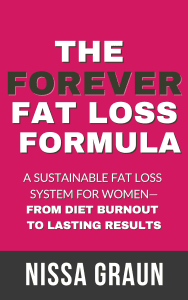
Nissa Graun is a certified health coach who focuses on digestion-first strategies to support sustainable fat loss and digestive health. After losing over 100 pounds while navigating her own digestive challenges, she now helps women improve bile flow, stomach acid function, and overall gut health through practical, whole-food approaches. She is the author of The Forever Fat Loss Formula. Her work focuses on practical digestion protocols for women over 40.


Leave a Reply