The best time to take digestive enzymes is right before or at the start of a meal—especially meals that contain protein, fat, or complex carbohydrates. This timing helps enzymes do their job when food first enters your digestive tract, supporting smoother digestion and better nutrient absorption.
But here’s what most people don’t realize: even if you’re taking the right digestive enzyme supplements, timing alone doesn’t guarantee they’ll actually solve the problem.
If you’re still dealing with bloating, gas, or that uncomfortable “food baby” feeling after eating, there’s usually a deeper reason. In many cases, it’s not just when you take enzymes—it’s whether your body is actually ready to use them in the first place.
From working with clients and improving my own digestion, I’ve found that digestive issues are rarely about just taking the right supplement. They’re often a sign that something earlier in the digestive process isn’t working as it should—and that can make even the best-timed enzymes feel ineffective.
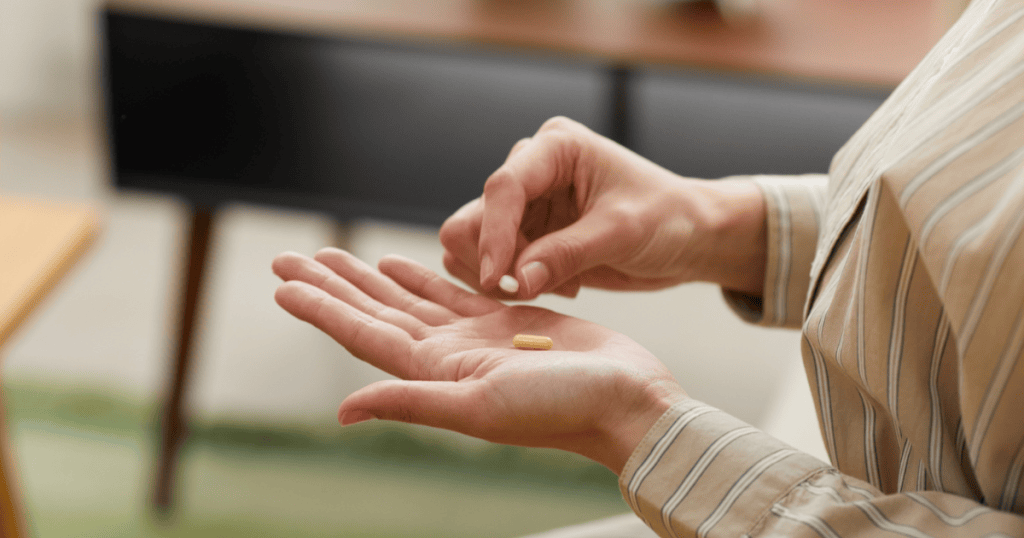
Taking digestive enzymes right before a meal can help support smoother digestion and nutrient absorption.
Disclaimer: This article is for educational purposes only and does not replace medical advice. Always consult a qualified healthcare provider for diagnosis or treatment decisions. I’m not a doctor—I’m a health coach who lost over 100 pounds while improving my own digestive problems using the same lifestyle choices I teach on my website and YouTube channel.
This article contains affiliate links. I only recommend products I personally use and trust.
Why Timing Matters for Digestive Enzymes
Digestive enzymes play a key role in breaking food down into smaller molecules your body can absorb—but they don’t work in isolation.
Digestion is a step-by-step process that happens throughout your digestive tract. It begins in the mouth, where salivary glands start breaking down carbohydrates, continues in the stomach with protein digestion, and reaches its peak in the small intestine, where most enzyme activity takes place.
At each stage, enzymes help break food into usable forms:
-
Amino acids from protein
-
Fatty acids from fats
-
Simple sugars from carbohydrates
But here’s the part most people overlook: digestive enzymes only work when food is present.
If you take them too early or too late, they won’t be as effective—because they need to mix directly with food in your digestive tract to do their job properly. That’s why enzyme timing isn’t just a detail—it directly affects how well your body can break down and absorb nutrients.
This is also why enzymes are only one part of the digestive process—and why timing them correctly matters even more when earlier steps in digestion aren’t working properly.
The Best Time to Take Digestive Enzymes
1. Right Before a Meal (Best Option)
Taking digestive enzyme supplements right before a meal gives them a head start. This allows enzymes to mix with food immediately, support early digestion, and help reduce discomfort as the process begins.
This approach works especially well if you experience bloating after meals, struggle with fatty foods, or deal with occasional digestive issues.
2. With Your First Bite of Food
If you don’t take them beforehand, taking enzymes with your first bite is still very effective. In many cases, this is the most practical option and easiest to stay consistent with.
3. After a Meal (Less Effective)
Taking enzymes after eating is less effective, but it can still help with the digestion of residual food and mild symptoms like bloating or heaviness.
That said, this shouldn’t be your primary strategy if you want consistent results.
4. On an Empty Stomach (Usually Not Ideal)
Taking digestive enzymes on an empty stomach is a common mistake. Without food present, enzymes have nothing to act on, which limits their effectiveness for digestion. While some people use enzymes for other purposes, for digestive support, they work best when taken with meals.
If you’re taking enzymes at the right time but still dealing with symptoms, there may be something else affecting your digestion.
Matching Enzyme Timing to Different Types of Meals
Not every meal requires the same level of enzyme support. Adjusting when you take digestive enzymes based on what you’re eating can improve how well they work.
Larger Meals or Your Main Meal
Take enzymes right before your largest meal of the day—often your evening meal. This is when your digestive system is under the most demand and benefits most from added support.
Meals with Dairy Products
If you struggle to digest lactose, taking specific enzymes that include lactase with meals containing dairy can help improve digestion and reduce symptoms.
High-Fat Meals
Fat digestion depends heavily on bile flow. While digestive enzymes can help, they work best when bile is already doing its job.
If bile flow is sluggish, enzymes alone may not fully resolve symptoms. This is where targeted bile support can make a difference—especially if fat-heavy meals tend to cause symptoms.
Lighter Meals
For smaller or simpler meals, you may not need enzyme support every time. This depends on your individual digestive capacity and overall gut health.
I personally take 1 capsule of a broad-spectrum enzyme with smaller meals or snacks that are harder to digest, and 2 capsules with larger meals that require more support as part of my daily routine.
Why Enzymes Alone Don’t Always Fix Digestive Issues
This is where many people get stuck: they take digestive enzyme supplements consistently but still deal with bloating, discomfort, or poor digestion. This is one of the most common reasons enzymes seem like they “aren’t working.”
The reason is simple—enzymes aren’t the first step in digestion.
Your body follows a sequence. Stomach acid helps break food down and signal the next phase. Bile then supports fat digestion. Only after that do digestive enzymes fully do their job, leading to proper nutrient breakdown and absorption.

Digestion follows a sequence—stomach acid, bile flow, and enzymes must work together for proper nutrient absorption.
When something earlier in that sequence isn’t working—especially stomach acid or bile flow—enzymes become less effective. Food may remain partially undigested, and symptoms like bloating or greasy stool can continue.
That’s why timing matters—but context matters even more.
How to Incorporate Digestive Enzymes Into Your Routine
If you want the best results from digestive enzyme supplementation, consistency matters.
A simple approach is to take enzymes before your main meal, use them consistently for several days, and pay attention to how your body responds. Over time, many people notice smoother digestion, less bloating, and better energy levels after meals.
Choosing the Right Digestive Enzyme Supplement
Not all digestive enzyme supplements are created equal. A high-quality, broad-spectrum formula that includes multiple types of enzymes—such as protease for protein, lipase for fat, and amylase for carbohydrates—tends to work best for general digestive support.
This is the type of enzyme support I personally use and recommend, especially with heavier meals or when digestion feels sluggish.
I use a broad-spectrum formula like Digesti-Zyme, a high-quality product that includes enzymes to support protein, fat, and carbohydrate digestion.
When Timing Alone Isn’t Enough
If you’re taking digestive enzymes at the right time but still dealing with symptoms, it often points to something deeper affecting your digestion.
Common root causes include low stomach acid, poor bile flow, food intolerances, and broader gut imbalances. In more advanced cases, conditions like irritable bowel syndrome, pancreatic insufficiency, or chronic pancreatitis can also affect enzyme production and how well digestion works overall.
Side Effects and Considerations
Digestive enzyme supplements are generally well tolerated, especially when taken with meals as intended. However, some people may notice mild side effects, particularly when first starting or adjusting dosage.
These can include mild digestive discomfort, changes in bowel movements, or temporary shifts in how your body responds to certain foods.
In many cases, these effects improve as your body adjusts. Starting with a lower dose and increasing gradually can help minimize discomfort.
It’s also important to remember that enzymes are only one part of the digestive process. If underlying issues like low stomach acid or poor bile flow aren’t addressed, symptoms may continue even when enzymes are used correctly.
If symptoms persist or worsen, it’s a good idea to consult a qualified healthcare provider for personalized guidance regarding your specific needs.
When used correctly, digestive enzymes can be a helpful tool—but they work best as part of a bigger picture approach to supporting digestion.
Best Time To Take Digestive Enzymes: Final Thoughts
The best time to take digestive enzymes is simple: right before or with your first bite of a meal. This gives enzymes the best chance to work alongside your food and support smoother digestion.
But timing is only part of the picture. If you’re still dealing with bloating, discomfort, or trouble digesting certain foods, it’s often a sign that something earlier in the digestive process—like stomach acid or bile flow—needs attention.
Supporting digestion as a whole, rather than relying on enzymes alone, is what leads to more consistent, long-term results.
About the Author
Nissa Graun is a health coach certified through the Kick It Naturally program, specializing in digestion-first strategies to support sustainable fat loss and digestive health. After losing over 100 pounds while navigating her own digestive challenges, she now helps women improve bile flow, stomach acid function, and overall gut health through practical, whole-food approaches. She is the author of The Forever Fat Loss Formula. Her work focuses on practical digestion protocols for women over 40.



Leave a Reply