Even though many rush to claim apple cider vinegar helps with heartburn and reflux, here’s the truth about betaine hydrochloric acid HCL Supplements vs ACV…
While apple cider vinegar can help a little—sometimes only HCL can fix the root cause to improve the problem.
If every meal leaves you bloated, gassy, heavy, or exhausted—and apple cider vinegar only helps a little—you’re not alone.
Most people blame digestive issues on too much stomach acid, but according to digestive experts, functional nutritionists, and the Kick It Naturally protocol, the real problem for most adults—especially adults over 40—is low levels of stomach acid.
That’s because low stomach acid (also called hypochlorhydria) leads to:
-
Poor protein digestion
-
Acid reflux that feels like too much acid
-
Food allergies and sensitivities
-
Nutrient deficiencies
-
Bloating and fatigue after meals
-
Small intestinal bacterial overgrowth (SIBO)
-
Leaky gut
-
Burning sensation after certain foods
-
Chronic digestive problems misdiagnosed as “GERD”
And here’s the part most people never hear:
➡️ Apple cider vinegar is only a mild digestive aid.
➡️ Betaine Hydrochloric Acid (HCL) supplements actually fix the root cause: low stomach acid.
This is why Kick It Naturally centers its digestion protocol around addressing the importance of stomach acid—not vinegar.

⚠️ Important reminder: This article is for educational purposes only and not medical advice. Always consult a qualified healthcare provider, especially if you have a specific health condition or use prescription drugs such as proton pump inhibitors.
This post contains affiliate links. I only recommend trusted, high-quality products I personally use.
👉 Buy Empirical Labs Betaine HCL here
Why Low Stomach Acid Is the Hidden Root Cause of Digestive Issues
While digestive symptoms are often treated as excess acid, insufficient stomach acid is one of the most overlooked contributors to digestive issues.
You need strong gastric juices—a pH of 1–3—for:
-
Digesting protein
-
Breaking down amino acids
-
Triggering digestive enzymes
-
Protecting the gut from harmful bacteria
-
Activating pepsin, the main protein-digesting enzyme
-
Absorption of nutrients like iron, calcium, magnesium, B12, zinc, and folic acid
But when stomach acid levels drop, everything downstream suffers.
The Most Common Causes of Low Stomach Acid
Even though digestion is complex, long-term reliance on prescription drugs to suppress symptoms like heartburn, anxiety, or reflux does not address why those symptoms are occurring in the first place. The use of betaine HCL supplements plays a crucial role in improving low stomach acid.
Common contributors to low stomach acid production include:
-
Long-term use of proton pump inhibitors or acid blockers
-
Stress
-
Aging (older people naturally produce less stomach acid)
-
Atrophic gastritis
-
Chronic dieting
-
Eating too small or too few meals
-
Certain autoimmune conditions like rheumatoid arthritis
Kick It Naturally teaches that when your stomach acid is weak, your body can no longer perform the digestive functions needed to break down food in the stomach. This leads to a chain reaction of digestive problems that continue downstream into the small intestine.
Why Apple Cider Vinegar Helps… But Only A Little
Apple cider vinegar is often recommended as a natural digestive aid because it’s mildly acidic. And for a small number of people, it can help reduce:
-
Mild bloating
-
Occasional reflux
-
Sluggish digestion
-
Blood sugar spikes
But here’s the problem: ACV does not address the root cause when digestive issues are driven by low stomach acid.
ACV raises stomach acidity slightly, but not enough to restore healthy digestion – especially if you have moderate to severe low stomach acid. Within the Kick It Naturally framework, ACV is viewed as a temporary support tool rather than a solution since it doesn’t replace actual hydrochloric acid in the stomach.
That’s because apple cider vinegar cannot:
-
Restore optimal stomach acidity
-
Activate pepsin properly
-
Raise gastric acidity to the 1–3 pH range
-
Support protein digestion at a therapeutic level
-
Fix chronic acid reflux caused by a weak LES (lower esophageal sphincter)
-
Correct poor nutrient absorption
This is why so many people say:
“ACV helps, but I’m still bloated… still gassy… still tired after eating…”
That’s because ACV only adds a small amount of acidity to the stomach—but not enough to fix your digestive problems long-term.
Why Betaine Hydrochloric Acid HCL Supplements Work When ACV Doesn’t
The good news is that even if apple cider vinegar doesn’t fully resolve low stomach acid symptoms, it doesn’t mean you need to rely on prescription medications long term.
The dietary supplement Betaine HCL is the acidic form of betaine, which is a supplemental source of hydrochloric acid designed to support gastric acid secretion in the stomach.
Unlike ACV, betaine hydrochloride actually restores an acidic environment strong enough to:
-
Fully break down protein
-
Support the digestion of food
-
Prevent fermentation of undigested meals
-
Kill harmful bacteria before they reach the small intestine
-
Improve the absorption of nutrients
-
Help reduce acid reflux symptoms when low stomach acid is the underlying cause
-
Reduce bloating after high-protein meals
-
Support healthy digestion for the long period needed to repair gut flora
In short: HCL restores the digestive system’s natural function. This is exactly why Kick It Naturally uses Betaine HCL in combination with Beet Flow as a foundational tool in their digestive repair programs.

What the Scientific Evidence Says about Betaine Hydrochloric Acid HCL Supplements
While large-scale clinical trials on betaine HCL supplementation are limited, existing small studies and clinical observations suggest that:
✔️ It lowers gastric pH rapidly
✔️ It improves protein digestion
✔️ It increases absorption of nutrients
✔️ It may improve symptoms in people with atrophic gastritis
✔️ It may support healthy adults with low stomach acid
Some research and clinical observations suggest that betaine HCL may improve the body’s ability to digest foods that previously triggered sensitivities since undigested proteins are more likely to trigger immune responses in the digestive tract.
This aligns perfectly with what the Kick It Naturally community sees clinically.
Common Symptoms That Are Often Misdiagnosed as “Too Much Acid”
Many people spend their entire lives believing if they experience symptoms like heartburn or reflux, that over-the-counter solutions like Pepto or Tums are the answer. The truth is, these solutions may worsen digestion over time when low stomach acid is the underlying issue. Plus, long-term use of these medications often come with other adverse side effects.
If you experience any of the signs below, you likely have low stomach acid—not high stomach acid. These symptoms are often blamed on excess acid, when in reality they can be signs of inadequate stomach acid and poor protein digestion.
-
Bloating after a smaller meal
-
Feeling overly full for hours
-
Acid reflux caused by pressure from undigested food and a weak lower esophageal sphincter (LES)
-
Burping after meals
-
Nausea after meat
-
Undigested food in stool
-
Heavy feeling in the stomach
-
Food allergies getting worse
-
Poor nutrient absorption
-
Burning sensation in the gut
-
Frequent gas
-
Fatigue after eating
- Chronic constipation
These health conditions and symptoms come from poor protein digestion and low stomach acidity — not from an overproduction of acid.
How to Use Betaine Hydrochloric Acid HCL Supplements Safely
Betaine HCL supplementation is one of the most effective natural tools for improving digestive health, but it must be used correctly. The potential risks of incorrect use include severe burning, rebound acid problems, worsening reflux, or irritation of the stomach lining in susceptible individuals—so the directions of hydrochloric acid supplements need to be followed closely.
Here is the Kick It Naturally–aligned, digestion-safe method:
Step 1: Start with one capsule at your largest protein meal.
Empirical Labs Betaine HCL comes in pill form with a strong acid profile—perfect for low-stomach-acid support.
Take the capsule mid-meal. If you forget to take it mid-meal, follow your dose with at least one bite of food.
Reminder: Betaine HCL should not be used if you have active stomach ulcers, autoimmune gastritis, or a history of stomach surgery without guidance from a healthcare provider.
Step 2: Increase betaine hydrochloric acid hcl supplements slowly
Each day, add an additional capsule to the same meal until you feel a mild warming sensation. This warming is the signal that you’ve reached optimal stomach acidity.
This is NOT a side effect—it’s the feedback mechanism that tells you your dose is high enough. This warming sensation is commonly used as a feedback signal within this protocol, but it should never be painful or burning.
If you do not achieve a gentle warming effect, cap your dose at 5 of the Empirical Lab brand capsules. (If you do not use the brand found on Natural Reference, you must compare dosages of your capsules so you don’t dose too low or end up with a high dose)
Step 3: Reduce by one capsule.
Once you feel warmth, drop the dose back by one capsule. That is your working dose. Continue to follow this process until you completely eliminate your need for Betaine HCL supplementation.
Step 4: Spread the dose across meals (if needed).
If multiple meals contain protein, you may need to support each one. This can mean taking up to 5 capsules per high protein meal. You may not need HCL with a smaller size meal, especially if it does not contain protein.
You do not need Betaine HCL with liquid meals such as protein shakes as the protein is already broken down for you.
Step 5: Always re-test your tolerance
As digestion improves, your need for HCL often decreases.
⚠️ Who should NOT use HCL
Betaine HCL should not be used in certain situations, including:
-
A history of stomach ulcers or active peptic ulcer disease
-
Autoimmune gastritis or other inflammatory conditions affecting the stomach lining
-
Ongoing use of proton pump inhibitors (PPIs) or other prescription acid-suppressing medications
-
A history of stomach surgery, unless supervised by a healthcare provider
Because Betaine HCL directly affects stomach acidity, always consult a healthcare provider if you’re unsure whether it’s appropriate for you.

Why Empirical Labs Betaine HCL Is My Recommended Supplement
The quality and formulation of Betaine HCL supplements can vary significantly between brands. Empirical Labs Betaine HCL stands out because it provides:
-
A reliable supplemental source of hydrochloric acid
-
Clean raw materials with minimal fillers
-
A non-pepsin capsule, which is important for people who need acid support without additional enzyme stimulation
-
Consistent potency for gradual, controlled dosing
-
A formulation that aligns with the Kick It Naturally approach to digestive order
This is the specific Betaine HCL supplement I personally use and trust based on my own experience and the results I’ve seen within this framework.
➡️ Buy Empirical Labs Betaine HCL here

*A high quality Betaine HCL can help kickstart stomach acid production naturally.
When to Choose Betaine Hydrochloric Acid HCL Supplements Over ACV
You may want to consider Betaine HCL instead of apple cider vinegar if:
-
You feel heavy or tired after eating protein
-
You experience chronic acid reflux
-
Your digestion has declined with age
-
You’ve used acid blockers or proton pump inhibitors (PPIs)
-
You suspect small intestinal bacterial overgrowth
-
You experience food allergies or sensitivities
-
You’re dealing with poor nutrient absorption
-
Your digestive issues haven’t improved with diet changes
-
Apple cider vinegar only helps a little
-
You’re looking for long-term digestive support rather than temporary relief
Apple cider vinegar is a mild digestive aid.
Betaine HCL is often used as a targeted tool to support low stomach acid when gentler approaches aren’t sufficient.
Final Thoughts: Healthy Digestion Starts With Healthy Stomach Acid
Betaine hydrochloric acid (HCL) supplements can be a powerful tool for supporting digestion, especially when low stomach acid is suspected.
When used correctly — and paired with a high-quality product like Empirical Labs—Betaine HCL may help:
-
Improve poor protein digestion
-
Support nutrient absorption
-
Reduce acid reflux related to low acid
-
Support gut health
-
Improve energy
-
Reduce bloating and digestive discomfort
-
Help restore healthy stomach acidity
-
Improve tolerance to foods that were previously difficult to digest
Like any digestive supplement, Betaine HCL should be used thoughtfully and discontinued if symptoms worsen or contraindications are present.
Apple cider vinegar can help a little.
But Betaine HCL is often used to address digestion at its root when low stomach acid is the underlying issue.
👉 Buy Empirical Labs Betaine HCL here
Your body depends on strong stomach acid for nearly every digestive function. Supporting it the right way can change everything about how you feel after eating.
More Helpful Articles
Why Low Stomach Acid Is Often Mistaken for High Acid
How to Increase Stomach Acid Naturally
About the Author
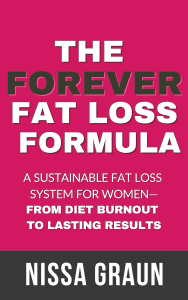
Nissa Graun is a health coach who helps women improve digestion and build sustainable fat loss habits without extreme dieting. After losing over 100 pounds while navigating her own digestive challenges, she focuses on whole food-first strategies that support bile flow, stomach acid, and gut health naturally. She is the author of The Forever Fat Loss Formula, which teaches women how to eat more, train smarter, and improve digestion for long-term results.


Leave a Reply