Bloating after eating is one of the most common digestive complaints—and one of the most frustrating.
You finish a meal and instead of feeling satisfied, your stomach feels tight, swollen, or uncomfortable. For some, it happens occasionally. For others, it becomes a daily pattern that affects your energy, confidence, and overall quality of life.
The good news? Bloating after eating usually isn’t random. It’s often a sign that something in the digestive process isn’t working as efficiently as it should.
This article breaks down the most common causes of bloating after eating and how to support your digestion naturally. Understanding what’s happening inside your digestive system is the first step toward identifying the underlying cause—and knowing how to support your body naturally.

Bloating after eating can cause a tight, uncomfortable feeling in your stomach—even after a normal meal.
Disclaimer: This article is for educational purposes only and does not replace medical advice. Always consult a qualified healthcare provider for diagnosis or treatment decisions. I’m not a doctor—I’m a health coach who lost over 100 pounds while improving my own digestive health using the same natural methods I teach on my website and YouTube channel.
This article contains affiliate links. I only recommend products I personally use and trust.
What Does Bloating After Eating Feel Like?
Bloating after eating can show up in several ways, including:
-
A bloated stomach or bloated belly
-
A feeling of fullness even after small meals
-
Abdominal bloating or visible swelling
-
Excess gas or burping
-
Abdominal discomfort or pressure
-
Stomach pain after eating
While occasional bloating is normal, persistent or chronic bloating may signal underlying digestive issues that need attention.
The Most Common Causes of Bloating After Eating
There isn’t just one cause of bloating after eating. In most cases, it’s a combination of factors that affect how food moves through your digestive tract and contribute to abdominal bloating after meals.
1. Poor Breakdown of Food (Digestive Inefficiency)
The digestive process starts before food even reaches the small intestine.
If food isn’t properly broken down, it can sit longer in the digestive tract and lead to:
-
Excess intestinal gas
-
Gas production from gut bacteria
-
A build-up of excess gas
This is one of the most common causes of bloating after eating.
When food isn’t fully broken down, it becomes easier for gut bacteria to ferment it, which increases gas production and contributes to a bloated feeling after meals.
In some cases, targeted support like digestive enzymes may help improve how food is broken down—especially when meals feel heavy or sit in your stomach.
In my experience, using a digestive enzyme like Digesti-Zyme with more difficult-to-digest meals can be helpful.
2. Low Stomach Acid
Stomach acid plays a key role in breaking down protein and triggering the rest of the digestive process.
Low stomach acid can lead to:
-
Food sitting too long in the stomach
-
Fermentation and gas production
-
Acid reflux symptoms
-
A bloated feeling after meals
When stomach acid is too low, food isn’t broken down efficiently before moving into the small intestine, which can increase fermentation and contribute to excess gas and bloating.
That’s why some people benefit from targeted support like Betaine HCl supplements—but only when it’s appropriate for their symptoms and situation.
3. Poor Bile Flow (Fat Digestion Issues)
Fat digestion depends heavily on bile.
If bile isn’t flowing efficiently:
-
Fatty foods may feel heavy or cause stomach bloating
-
You may feel overly full after eating
-
Gas and bloating increase after higher-fat meals
Supporting healthy bile flow can be a key piece for many people struggling with bloating after eating—especially after higher-fat meals, where fat digestion plays a larger role.
4. Excess Air and Eating Habits
Sometimes bloating isn’t just about what you eat—but how you eat.
Common habits that increase bloating include:
-
Eating too quickly (swallowing too much air)
-
Drinking fizzy drinks
-
Talking while eating
-
Large meals instead of smaller portions
These habits can increase excess air in the digestive tract, contributing to a bloated stomach and a build-up of gas after meals.
5. Food Intolerances and Sensitivities
Certain foods are harder for some people to digest, including:
-
Dairy products (lactose intolerance)
-
Gluten (gluten sensitivity or celiac disease)
-
Artificial sweeteners
-
High-FODMAP foods
Food intolerances can lead to:
-
Excess gas
-
Abdominal bloating
-
Changes in bowel habits
In some cases, identifying a specific food intolerance can help explain recurring bloating after eating. Keeping a food diary can help identify patterns.
6. Gut Imbalance (Microbiome + Fermentation)
Your gut microbiome plays a major role in digestion.
When gut bacteria are imbalanced, it can lead to:
-
Excess gas production
-
Symptoms similar to irritable bowel syndrome (IBS)
-
Small intestinal bacterial overgrowth (SIBO)
In these cases, bloating is often tied to where and how fermentation is happening in the digestive tract, which can increase gas production and contribute to ongoing digestive symptoms.
7. Hormonal Changes and Water Retention
For many women, bloating after eating can worsen during certain times of the menstrual cycle.
Hormonal changes can cause:
-
Water retention
-
Slower digestion
-
Increased sensitivity to certain foods
These shifts can increase the feeling of abdominal bloating after meals—even when your diet hasn’t changed.
Why Bloating After Eating Keeps Happening (And Why It Keeps Coming Back)

When one step in the digestive sequence is under-supported, symptoms like bloating and gas can occur.
Here’s the part most people miss: bloating after eating isn’t just about one food or one bad meal.
It’s usually the result of breakdowns in the digestive sequence:
-
Stomach acid not breaking food down effectively
-
Digestive enzymes not fully completing digestion
-
Bile not properly supporting fat digestion
-
Food reaching the small intestine only partially digested
-
Increased fermentation → gas → bloating
When this sequence isn’t working efficiently, bloating becomes a pattern—not a one-time issue.
If you’ve been wondering why you bloat after eating, it often comes back to how well this digestive process is functioning.
When you understand this sequence, you stop chasing random food triggers—and start addressing the root cause.
How to Reduce Bloating After Eating Naturally
The goal isn’t to eliminate foods forever—it’s to support your digestive system so it can handle food more efficiently.
1. Slow Down While Eating
-
Chew thoroughly
-
Avoid eating in a stressed state (your nervous system plays a role in digestion)
- Take a few deep breaths before meals
This can help reduce how much air you swallow and support the digestive process from the very first step.
2. Adjust Portion Sizes
Large meals are harder to digest and can place more stress on your digestive system.
Instead of big meals, try:
-
Smaller portions
-
More frequent meals if needed
This can help reduce the feeling of fullness and bloating after eating by making digestion more manageable.
3. Support the Digestive Process
Depending on your symptoms, supporting the digestive process may include:
-
Digestive enzymes to help break down food during meals
-
Stomach acid support when appropriate
-
Bile flow support for fat digestion
These should always be used thoughtfully and based on your symptoms—not randomly.
4. Identify Trigger Foods
Instead of eliminating everything:
-
Track meals in a food diary
-
Look for patterns (not one-off reactions)
-
Consider common culprits like dairy products, high-fiber foods, or artificial sweeteners
This can help you identify specific foods that may be contributing to bloating after eating without unnecessarily restricting your diet.
5. Move After Eating
Taking a short walk after meals can:
-
Support the digestive tract
-
Reduce gas build-up
-
Improve overall digestion
Even light movement can help move gas through the digestive system and reduce bloating after eating.
6. Support Regular Bowel Movements
Sluggish bowel habits can increase bloating by allowing gas to build up in the digestive tract.
To support regular bowel movements, focus on:
- Drinking plenty of water
- Balanced fiber intake (not excessive)
- Regular exercise
This can help reduce gas build-up and support more consistent digestion.
When Bloating After Eating May Signal Something More Serious
While most bloating after eating is related to digestion, medical attention may be needed if you experience:
-
Severe or persistent stomach pain
-
Unexplained weight loss
-
Blood in stool
-
Sudden changes in bowel habits
-
Symptoms that don’t improve with dietary changes
In some cases, bloating can be linked to underlying medical conditions such as celiac disease, bowel obstruction, liver disease, colorectal cancer, or ovarian cancer.
A proper evaluation may include blood tests or a breath test to help rule out more serious health issues.
Bloating After Eating: The Bottom Line
Bloating after eating is common—but it’s not something you have to live with.
In most cases, it’s not just about avoiding certain foods. It’s about improving how your digestive system processes those foods.
When digestion is working properly, your body can handle a wider variety of foods without constant discomfort.
Start by supporting the basics:
-
Eating habits
-
Digestive function
-
Food awareness
From there, you can begin to identify the underlying cause of your bloating and move toward lasting relief and more consistent, comfortable digestion.
About the Author
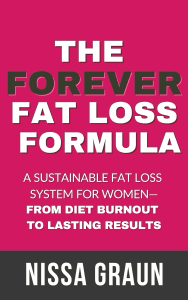
Nissa Graun is a certified health coach who focuses on digestion-first strategies to support sustainable fat loss and digestive health. After losing over 100 pounds while navigating her own digestive challenges, she now helps women improve bile flow, stomach acid function, and overall gut health through practical, whole-food approaches. She is the author of The Forever Fat Loss Formula. Her work focuses on practical digestion protocols for women over 40.


Leave a Reply