While burping after eating is a normal bodily function, espeically since it’s your body’s way of releasing excess air from the digestive tract, burping a lot after eating, excessive belching, or constant burping after meals can be a sign your digestion isn’t starting properly.
In many cases, burping isn’t random. It’s often a sign that something in the early stages of digestion isn’t working as efficiently as it should.
Understanding why it’s happening can help you identify what your body may be trying to tell you—and where digestion may be breaking down.

Burping after meals can be a sign of how your digestive system is functioning in the early stages of digestion.
Disclaimer: This article is for informational purposes only and does not replace medical advice. Always consult a qualified healthcare provider for diagnosis or treatment decisions. I’m not a doctor—I’m a health coach who lost over 100 pounds while improving my own digestive health using the same natural methods I teach on my website and YouTube channel.
This article contains affiliate links. I only recommend products I personally use and trust.
What Causes Burping A Lot After Eating?
Burping usually comes down to one simple thing: a buildup of air or gas in the upper digestive system.
This can happen for a few different reasons.
Air swallowing (a very common cause)
One of the most common causes of post-meal burping is swallowing excessive amounts of air.
This can happen when you:
-
Eat too quickly
-
Talk while eating
-
Chew gum or suck on hard candies
-
Drink carbonated beverages
When excess air builds up in the upper stomach, your body releases it through occasional belching or frequent burping.
This type of burping is usually related to eating habits rather than a deeper digestive issue.
Digestive slowdown and fermentation
Burping isn’t always just about air—it can also involve gas produced during digestion.
If food isn’t breaking down efficiently, it may begin to ferment in the digestive system. This process can create gas that moves upward, leading to excessive burping after eating.
This type of burping is often a sign that food is sitting longer than it should in the digestive tract.
This is often linked to:
-
Imbalances in gut bacteria
-
Slower digestion in the stomach or small intestine
-
Certain types of carbohydrates or sugar substitutes
Low or imbalanced stomach acid
This is one of the most overlooked causes.
Stomach acid plays a key role in breaking down food and signaling the rest of the digestive process. When stomach acid is too low or not working efficiently, food may sit longer in the stomach.
When this happens, gas can build up more easily and move upward, contributing to frequent burping after meals.
This can lead to:
-
A feeling of fullness in the upper belly
-
Gas buildup and frequent belching
-
Symptoms that may resemble acid reflux
Even though it may seem counterintuitive, low stomach acid can contribute to symptoms often mistaken for gastroesophageal reflux disease (GERD).
Food-Related Triggers
Certain foods are more likely to increase gas or contribute to burping.
Common examples include:
-
Carbonated drinks
-
Dairy products (especially with lactose intolerance)
-
Cruciferous vegetables like broccoli or brussels sprouts
-
Sugar substitutes and highly processed foods
These foods can increase the amount of gas produced during digestion, especially when digestion is already slower or less efficient.
When Burping May Signal a Deeper Issue
Occasional burping is normal. However, persistent or excessive burping may point to an underlying digestive issue.
In some cases, this may be linked to conditions such as acid reflux, irritable bowel syndrome (IBS), or other digestive imbalances.
A specific type of belching called supragastric belching may also be involved, which relates more to air movement than digestion.
If burping occurs alongside symptoms like abdominal pain, chest discomfort, ongoing upset stomach, or changes in bowel habits, it may be worth discussing with a qualified healthcare provider.
Why Burping Is Often an Early Digestive Clue

Digestion happens in a specific sequence. When early steps like stomach acid or enzyme activity are disrupted, symptoms like burping can occur.
Burping typically happens early in the digestive process, before food moves into the small intestine or large intestine.
That’s what makes it such a useful signal: It’s often one of the first signs that digestion isn’t starting properly.
When your stomach isn’t breaking food down efficiently, it can create a ripple effect throughout your digestive system—leading to gas, bloating, and discomfort later on.
That’s why looking at digestion as a sequence—rather than isolated symptoms—can be so helpful when trying to identify the root cause.
How to Reduce Burping A Lot After Eating Naturally
If burping is related to digestion rather than just air swallowing, supporting the early stages of digestion can help.
Some simple strategies include:
-
Slowing down while eating and chewing food thoroughly
-
Avoiding excessive gum chewing or carbonated drinks
-
Paying attention to how different foods affect your body
-
Supporting proper breakdown of food with targeted digestive support
When food is broken down more efficiently, there’s typically less opportunity for gas to build up and move upward.
In some cases, digestive enzymes can help support how food is broken down—especially for meals that feel heavier or harder to digest.
That’s where a broad-spectrum enzyme formula like Digestizyme can be useful, especially if meals tend to feel heavy or sit in your stomach longer than expected.
Burping A Lot After Eating: The Bottom Line
Burping after eating is common—but frequent or persistent belching is often a sign that something in the digestive process needs attention.
While it can be caused by swallowing too much air, it may also reflect how well your body is breaking down and processing food.
Looking at burping through this lens can help you move beyond quick fixes—and start understanding the root cause behind your symptoms.
When you support digestion at the right stage, symptoms like burping often become much easier to manage.
About the Author
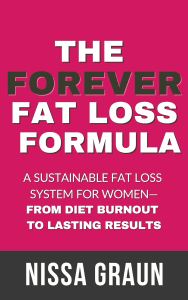
Nissa Graun is a certified health coach who focuses on digestion-first strategies to support sustainable fat loss and digestive health. After losing over 100 pounds while navigating her own digestive challenges, she now helps women improve bile flow, stomach acid function, and overall gut health through practical, whole-food approaches. She is the author of The Forever Fat Loss Formula. Her work focuses on practical digestion protocols for women over 40.


Leave a Reply