Have you ever wondered can digestive issues cause weight gain?
Especially when you feel like you’re doing everything right—eating better, watching your calorie intake, and even increasing your physical activity—but your body weight isn’t budging. Or worse, it’s going up?
If that’s the case, this is a question worth asking.
It’s not always about willpower. And a scale that’s stuck isn’t always just genetics.
If your progress has stalled, a better question to ask is: What if the problem isn’t just what you’re eating… but how your body is processing it?
Because your digestive system plays a crucial role in how your body:
-
Breaks down food
-
Absorbs nutrients
-
Uses energy
-
Stores fat
When that process isn’t working properly, it can make weight loss feel much harder than it should. In some cases, it can even contribute to unwanted weight gain.
So, can digestive issues cause weight gain? The short answer is yes. But the full picture is a lot more nuanced—and understanding that is where things start to change.

Struggling to lose weight despite doing everything right may be linked to how your body is digesting food
Disclaimer: This article is for educational purposes only and does not replace medical advice. Always consult a qualified healthcare provider for diagnosis or treatment decisions. I’m not a doctor—I’m a health coach who lost over 100 pounds while improving my own digestive health using the same lifestyle changes I teach on my website and YouTube channel.
This article contains affiliate links. I only recommend products I personally use and trust.
How Digestive Problems Contribute to Weight Gain
From a digestion-first perspective, these issues don’t happen randomly. They usually point to a breakdown somewhere in the digestive sequence.
Digestive issues don’t cause weight gain the same way that eating excess calories does. Instead, they create a ripple effect throughout the body—one that quietly disrupts the systems responsible for keeping your weight in check.
Here’s how that plays out:
1. Poor Nutrient Absorption
Healthy digestion is a multi-step process. Stomach acid breaks food down, bile helps prepare fats for digestion, and digestive enzymes finish processing nutrients. When any one of these steps is compromised, you end up with poor nutrient absorption—even if your diet looks great on paper.
The result? Your body is still searching for what it’s missing.
That shows up as low energy, persistent hunger, sugar cravings, and a greater tendency to overeat. You can be eating the right foods and still feel nutritionally depleted.
This is one of the most common patterns I see in women who feel like they’re doing everything right but still feel stuck.
2. Blood Sugar Imbalances
Digestive dysfunction can interfere with how your body processes carbohydrates, which directly affects blood sugar regulation. When blood sugar spikes and crashes repeatedly, hunger intensifies, cravings increase, and your body is more likely to store fat rather than burn it.
Over time, this pattern can contribute to insulin resistance and leptin resistance. These are two metabolic conditions that are strongly associated with weight gain and difficulty losing weight.
3. Chronic Gut Inflammation
Conditions like irritable bowel syndrome (IBS), inflammatory bowel disease (IBD), ulcerative colitis—or even ongoing low-grade gut inflammation can disrupt the entire digestive tract.
Chronic inflammation doesn’t just cause discomfort. It interferes with nutrient absorption, affects immune function, and sends signals to the body that promote fat storage.
This type of ongoing gut inflammation is also closely tied to an imbalance in gut bacteria, which creates its own set of problems.
4. An Imbalanced Gut Microbiome
Your gut microbiome—the community of bacteria living in your digestive tract—plays a significant role in both digestion and weight regulation. When the balance between beneficial bacteria and harmful bacteria shifts, the effects go well beyond bloating and gas.
Research has linked gut microbiome imbalances to changes in body weight, increased insulin resistance, disrupted hunger hormones, and even mental health challenges.
A healthy gut microbiome isn’t just a wellness buzzword—it’s a genuine factor in how your body manages weight.
5. Undiagnosed Food Intolerances
Undetected food intolerances or conditions like celiac disease can create a state of chronic digestive stress. This leads to ongoing GI symptoms like acid reflux, bloating, abdominal pain, along with poor absorption of essential nutrients and increased systemic inflammation.
Over time, that persistent stress takes a toll on your metabolism, energy levels, and body composition.
In some cases, identifying and addressing these triggers can make a noticeable difference in how your body responds to food.
Why “Eating Healthy” Sometimes Makes Things Worse
This is one of the most common and confusing experiences people have. You clean up your diet—more whole foods, more protein, more healthy fats—and suddenly you feel bloated, heavy, or nauseous after meals.
This is something I see all the time—especially with women who switch to “clean eating” and expect to feel better, not worse.
The natural conclusion is that the food doesn’t agree with you. But most of the time, the food isn’t the problem. In many cases, it’s that your digestive system may not be fully equipped to handle it properly.
Fat digestion, in particular, depends heavily on bile production and digestive enzyme activity. And if earlier steps in digestion—like stomach acid—aren’t working well, that can make this process even harder.
When those processes aren’t functioning as they should, food sits in the digestive tract longer than necessary—leading to that uncomfortable, sluggish feeling after eating. This is often the point where people start unnecessarily restricting foods, when the real issue is how their body is breaking those foods down.
The Step Most People Skip
When people experience digestive problems, the typical response is to cut out foods, eat “cleaner,” or add a probiotic or enzyme supplement. And while those things can help, they often don’t fully resolve the issue. That’s because digestion is a sequence, not a single event.

Digestion works in a sequence—if one step is off, it can affect how your body processes food, energy, and fat
This is one of the biggest patterns I’ve seen—people trying multiple supplements without results, simply because they’re supporting the wrong step in the process.
If stomach acid is too low, food doesn’t get broken down properly in the first place. If bile isn’t flowing well, fat can’t be digested. And if fat isn’t digested, enzymes can’t do their job downstream. Each step depends on the one before it.
That’s why someone can take digestive enzymes and still feel bloated and stuck. The supplement isn’t wrong—it’s just being applied at the wrong point in the process.
Fixing digestion means identifying where the breakdown is happening, not just adding something to the end of the chain.
How This Connects to Weight Loss
When digestion isn’t working efficiently, your body may struggle to extract usable energy from food, signal hunger more frequently, and store more fat as a protective response.
So even if you’re doing everything right—eating well, staying active, managing portions—your body can still feel like it’s working against you.
This is where a lot of people get stuck. They keep trying to push harder, instead of looking at what their body actually needs. This often isn’t a willpower problem—it’s a physiology issue.
Signs Your Digestive System May Be Affecting Your Weight
It’s worth pausing to assess how your digestion is actually functioning. These are the exact patterns I look for first when someone feels stuck with their weight despite making changes.
Ask yourself:
- Am I feel bloated or uncomfortable after most meals?
- Do certain foods feel heavy or difficult to digest?
- Am I experiencing frequent acid reflux, gas, or abdominal pain?
- Do I feel tired or sluggish after eating instead of energized?
These aren’t just minor inconveniences. They’re signals that your digestive system may not be operating as efficiently as it should. That inefficiency may be making weight management harder than it needs to be.
How to Start Supporting Your Digestion (The Right Way)
When it comes to improving digestion, most people jump straight to random supplements or start cutting out more foods. But as you’ve seen, digestion isn’t about doing more—it’s about supporting the right step in the process.
From a digestion-first perspective, the goal is to support your body in the order it’s designed to work.
That typically means:
-
Making sure food is being properly broken down
-
Supporting fat digestion so meals don’t feel heavy
-
Then adding support like digestive enzymes where they actually make sense
For many people, one of the most noticeable improvements comes from supporting bile flow, especially if you tend to feel worse after eating foods like butter-heavy meals, creamy dressings, cheese, or higher-fat meals like restaurant dishes.
A supplement like Beet Flow can help support that process by helping your body better handle fats—so food doesn’t just sit there making you feel sluggish or uncomfortable.
At the same time, digestive enzymes can also be helpful—but only when they’re used at the right point in digestion.
If you’re adding enzymes without supporting earlier steps, they often don’t work the way you expect.
That’s why I typically look at something like Digesti-Zyme as a support tool, not a starting point. It’s something I layer in after supporting stomach acid and bile flow—so your body is actually in a position to use it effectively.
The goal isn’t to rely on supplements forever—it’s to support your body so digestion starts working more efficiently again.
A Note on More Serious Digestive Conditions
Some digestive disorders—including gastroesophageal reflux disease (GERD), small intestinal bacterial overgrowth (SIBO), and inflammatory bowel disease—may require medical treatment or a personalized care plan.
If you’re dealing with persistent or severe gastrointestinal symptoms, working with a registered dietitian or functional medicine practitioner can be a helpful next step.
The Bottom Line: Can Digestive Issues Cause Weight Gain?
Weight gain isn’t always a simple equation of calories in versus calories out. Sometimes the missing piece is how well your body is actually processing what you eat.
Your digestive system sits at the center of energy production, nutrient absorption, hormonal balance, and fat storage. When it’s not functioning properly, everything else becomes harder—including weight loss.
The goal isn’t a perfect diet. It’s better function. Because when your digestion improves, your body becomes more capable of using food for energy, regulating hunger naturally, and maintaining a healthy weight without the constant uphill battle.
If you’ve been doing the right things and still feeling stuck, your digestive health may be the piece of the puzzle you haven’t looked at yet.
Improving digestion doesn’t have to be complicated—but it does require focusing on the right steps in the right order. And when you focus on digestion first, everything else—from energy to weight loss—tends to feel a lot more manageable.
About the Author
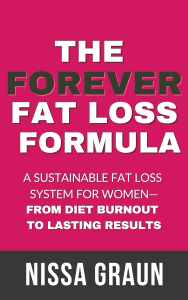
Nissa Graun is a health coach certified through the Kick It Naturally program, specializing in digestion-first strategies to support sustainable fat loss and digestive health. After losing over 100 pounds while navigating her own digestive challenges, she now helps women improve bile flow, stomach acid function, and overall gut health through practical, whole-food approaches. She is the author of The Forever Fat Loss Formula. Her approach is rooted in the principle that digestion works in a sequence—and supporting the right step can make all the difference.


Leave a Reply