Digestive enzymes not working? If you’ve been taking digestive enzymes but still feel bloated, uncomfortable, or like food isn’t breaking down properly, you’re not alone.
Many people turn to digestive enzyme supplements hoping to improve digestion—only to feel frustrated when symptoms don’t fully go away. Over time, these ongoing digestive symptoms can start to affect your energy, confidence, and overall quality of life.
The truth is, digestive enzymes can be helpful in certain situations. But if digestive enzymes aren’t working, it usually means something else in the digestive process is being overlooked.
This article breaks down the most common reasons digestive enzymes don’t work—and what to focus on instead to support digestion more effectively.
Digestion doesn’t happen in one step. It follows a sequence—and enzymes are only one part of that process.
In my own experience—after years of struggling with digestion and trying dietary changes combined with different supplements—digestive enzymes only started to make a difference once I addressed the earlier steps of digestion first.

Ongoing bloating or discomfort after eating may be a sign your digestion isn’t working as efficiently as it should.
Disclaimer: This article is for educational purposes only and does not replace medical advice. Always consult a qualified healthcare provider for medical conditions, as well as diagnosis or treatment of health problems. I’m not a doctor—I’m a health coach who lost over 100 pounds while improving my own digestive health using the same lifestyle changes I teach on my website and YouTube channel.
This article contains affiliate links. I only recommend products I personally use and trust.
Why Are My Digestive Enzymes Not Working?
Digestive enzymes help break food down into smaller components like amino acids and fatty acids so your body can absorb nutrients.
But here’s the key: enzymes don’t start digestion—they assist it later in the process.
If earlier steps aren’t working properly, enzymes may not be able to do their job effectively.
In many cases, this is why people continue to experience digestive symptoms—even when taking high-quality supplements to help with absorption of nutrients.
Common signs digestive enzymes may not be working as expected include:
-
Bloating or gas
-
Abdominal pain
-
Oily stools or foul-smelling stools
-
Unexplained weight loss
In my experience, this often comes down to where digestion is breaking down—not just whether enzymes are being used.
The Missing Piece: Digestion Starts Before Enzymes
Think of digestion like an assembly line: each step prepares food for the next. Digestion follows a specific sequence, and each step depends on the one before it:

Digestion happens in a specific order—stomach acid, bile flow, then enzymes. If earlier steps aren’t working properly, enzymes alone may not be enough.
-
Stomach acid helps break food down so your body can access essential nutrients
-
Bile helps emulsify fats
-
Enzymes finish breaking food into absorbable nutrients
If step one or two isn’t working well, step three (enzymes) can’t fully compensate—and digestion may still feel incomplete. That’s why digestive enzymes alone don’t always fix digestive symptoms.
If any stage of digestion isn’t working as efficiently as it should, your body may struggle to fully break down food and absorb enough nutrients.
In my experience, this is where many people get stuck—they focus on adding enzymes, but overlook the earlier steps that actually allow enzymes to work.
Common Reasons Digestive Enzymes Aren’t Working
If digestive enzymes aren’t giving you the results you expected, the issue is often not the enzymes themselves—but what’s happening earlier in the digestive process.
Below are some of the most common reasons enzymes may not work as effectively as they should.
1. Low Stomach Acid
Stomach acid plays a critical role in digestion. It helps begin protein breakdown and signals the release of digestive enzymes further down the digestive tract.
When stomach acid is low:
-
Food isn’t broken down properly
-
Enzyme activity may be reduced
-
Bacteria can survive where they shouldn’t
This can contribute to symptoms like:
-
Bloating
-
Feeling overly full
If this step is off, enzymes may not be enough on their own.
2. Poor Bile Flow (Fat Digestion Issues)
Bile acids play a critical role in fat digestion. They help break fat into smaller droplets so enzymes—like lipase (a fat specific enzyme)—can actually do their job.
Without proper bile flow:
-
Fat digestion becomes inefficient
-
You may notice oily or floating stool
-
Fat-soluble vitamins (A, D, E, K) may not be absorbed properly
This is one of the most overlooked reasons digestive enzymes don’t seem to work—especially if symptoms tend to happen after higher-fat meals.
In my experience, this is often the missing piece for people who feel like digestion still isn’t working, even after adding enzymes.
If fat digestion feels heavy or incomplete, targeted bile flow support is one option. I explain how Beet Flow is used to support bile flow here.
3. You’re Skipping the First Steps of Digestion
Many people jump straight to supplements without addressing the basic habits that support healthy digestion.
These early steps play an important role in how the digestive system signals the release of enzymes and prepares food to be properly broken down.
Common habits that can interfere with digestion include:
-
Eating too quickly
-
Not chewing food thoroughly
-
High stress levels while eating
When these habits are off, digestion may not start as efficiently as it should. Even the best digestive enzyme supplements can’t fully compensate for poor digestive habits.
In many cases, improving these foundational habits can make digestive support supplements work more effectively.
4. Small Intestinal Imbalances
Conditions like small intestinal bacterial overgrowth (SIBO) or other imbalances in gut bacteria can interfere with normal digestion.
When bacteria begin fermenting food too early in the digestive tract—especially in the small intestine—it can disrupt how food is broken down and absorbed.
This can lead to symptoms such as:
-
Discomfort after meals
-
Inconsistent digestion
In these cases, enzymes may not resolve the root cause, since the issue isn’t just how food is being broken down—it’s also where and when that breakdown is happening.
In my experience, this is often why some people continue to feel bloated or uncomfortable even when using digestive support supplements.
5. Underlying Health Conditions
In some cases, digestive enzyme deficiency may be linked to underlying health conditions affecting the pancreas or digestive system.
These can include conditions such as chronic pancreatitis, exocrine pancreatic insufficiency (EPI), cystic fibrosis, or celiac disease.
In these situations, the body may not produce or release enough enzymes for proper digestion.
Common signs may include:
-
Poor nutrient absorption
-
Foul-smelling or fatty stools
-
Vitamin deficiencies
-
Unexplained weight loss
In clinical settings, testing and treatment may be needed, including prescribed pancreatic enzyme replacement therapy.
Are You Taking the Right Type of Enzyme?
Not all digestive enzyme supplements are the same.
Different enzymes target different macronutrients:
-
Proteolytic enzymes → protein digestion
-
Lipase → fat digestion
-
Amylase → carbohydrate digestion
-
Lactase → dairy digestion and lactase deficiency
If your symptoms tend to happen after specific types of foods—like dairy products or higher-fat meals—a general enzyme formula may not always provide the support you need.
In my experience, using the wrong type of enzyme can make it feel like enzymes aren’t working at all, when in reality they may just not be matched to what your body needs.
In some cases, using a broad-spectrum digestive enzyme blend can help support multiple areas of digestion at once—especially when you’re not sure which type of enzyme you may need.
If you’re unsure which type of enzyme is right for your situation, I break down how to choose the right digestive enzyme supplement here.
What to Do If Digestive Enzymes Aren’t Working
If you’ve tried enzymes and didn’t get the results you expected, the next step isn’t necessarily to take more—it’s to step back and look at the bigger picture.
In my experience, digestion works best when you support it in the right order.
Focus on the full digestive process:
1. Support stomach acid first
This helps trigger the entire digestive cascade and prepares food to be properly broken down.
2. Support bile flow for fat digestion
Especially if symptoms tend to happen after meals with a higher amount of fat, this may be a sign your body isn’t breaking down fats as efficiently as it should.
If that’s the case, targeted bile flow support is one option. I explain how Beet Flow is used to support bile flow here.
In some cases, using a targeted bile flow supplement can help support this process more directly.
3. Then layer in digestive enzymes if needed
Enzymes can help support the final stages of digestion—but they work best when the earlier steps are already in place.
Digestive Enzymes Not Working: The Bottom Line
Digestive enzymes can be a helpful tool—but they’re not a complete solution on their own.
If digestive enzymes aren’t working, it’s often a sign that:
-
Digestion isn’t starting properly
-
Fat digestion support may be missing
-
Another part of the digestive system needs attention
Addressing digestion in the correct order can make a significant difference in how your body breaks down and digests food, and how well nutrients are absorbed.
A Simple Way to Think About It
Instead of asking:
“Which enzyme should I take?”
Ask:
“Where is digestion breaking down?”
Because once you identify the missing step, everything else starts to work better—including enzymes.
About the Author
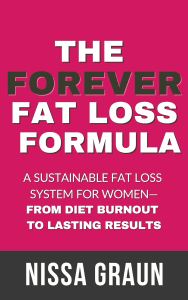
Nissa Graun is a certified health coach who focuses on digestion-first strategies to support sustainable fat loss and digestive health. After losing over 100 pounds while navigating her own digestive challenges, she now helps women improve bile flow, stomach acid function, and overall gut health through practical, whole-food approaches. She is the author of The Forever Fat Loss Formula. Her work focuses on practical digestion protocols for women over 40.


Leave a Reply