If you’ve ever eaten a protein-rich meal and felt overly full, heavy, bloated, or uncomfortable afterward, you may have wondered if finding the easiest protein to digest would make life easier.
The truth is, the type of protein does matter since some proteins are harder to digest than others. But that’s not where the story ends since how well your digestive system is working matters way more.
Protein is an important nutrient for overall health—which means it’s not something you can just skip if it makes you feel bad. It plays an essential role in muscle repair, immune system function, hormone production, and maintaining muscle mass—especially as we age.
In this article, we’ll explore the easiest protein to digest, why some animal-based and plant-based proteins feel heavier than others, and how stomach acid (hydrochloric acid) plays an important role in protein digestion.
This guide is designed to help you make informed choices that support gut health, muscle recovery, and long-term digestive comfort—without jumping straight to supplements.

Disclaimer: This article is for educational purposes only and does not replace medical advice. Always consult a qualified healthcare provider for diagnosis or treatment decisions. I’m not a doctor—I’m a health coach who lost over 100 pounds while improving my own digestive health using the same natural methods I teach on my website and YouTube channel.
This article contains affiliate links. I only recommend products I personally use and trust.
Why Protein Can Feel Hard to Digest
Protein digestion starts earlier than most people realize. When stomach acid is low or poorly timed, protein-rich foods may linger too long in the stomach, leading to digestive issues like bloating, pressure, reflux, or the feeling that food is “just sitting there.”
This is especially common in:
-
older adults
-
people following a high-protein diet
-
those who’ve followed a low-protein diet for a long period
-
individuals with sensitive stomachs
-
those with a history of digestive tract stress
-
people who’ve followed restrictive diets
Protein isn’t the problem. Incomplete digestion is. That’s the reason it’s important to look at how digestion is functioning before you start eliminating foods.
Where Does Protein Digestion Begin?
Protein digestion begins in the stomach, not the small intestine. Whenever you eat a protein rich food, your body releases hydrochloric acid (stomach acid) to aid in breaking that food down.
Hydrochloric acid plays an important role by:
-
unfolding protein structures
-
activating digestive enzymes
-
preparing amino acids for proper nutrient absorption
Without adequate stomach acid, proteins—especially animal proteins like red meat or chicken breast—are harder to break down. This slows digestion and increases the risk of discomfort once protein reaches the small intestine.
Why Low Stomach Acid Makes Protein Harder to Digest
Stomach acid doesn’t just “burn” food—it creates the right environment for digestion to occur efficiently.
When hydrochloric acid is low:
-
protein digestion is incomplete
-
connective tissue in meats breaks down poorly
-
digestive enzymes can’t activate properly
-
protein absorption is reduced
This can lead to:
-
fatigue despite adequate protein intake
-
poor muscle recovery and muscle protein synthesis
-
this may contribute to lower absorption of key nutrients like B vitamins, iron, and zinc
This is why two people can eat the same amount of protein and have very different digestive outcomes.
Easiest Protein to Digest (From Gentlest to Harder)
When digestion is supported, many different proteins can work well. But for sensitive digestion, these tend to be the easiest protein to digest for most people.
Since individual tolerances vary, you’ll have to test these protein sources and assess how you feel after.
1. Egg Whites
Egg whites are one of the most digestible protein sources available. They contain essential amino acids without connective tissue or added fats, making them a great way to support muscle repair and muscle growth.
2. Whole Eggs
Whole eggs provide complete proteins, essential nutrients, healthy fats, vitamin D, and B vitamins. If fat digestion is working well, whole eggs are an excellent high-quality protein.
3. Fish (Especially Fatty Fish)
Fatty fish like salmon contain digestible protein, healthy fats, and omega-3 fatty acids that support gut health and reduce inflammation.
4. Greek Yogurt & Cottage Cheese
Fermented dairy products such as Greek yogurt and cottage cheese are often easier to digest than cow’s milk. They provide high-protein foods with fewer lactose intolerance issues for many people.
Since dairy is a common trigger for many, assess how you feel after. If you experience sinus issues, stomach discomfort, or even if you feel achy soon after, this may not be the right protein source for you.
5. Protein Shakes (Minimal Ingredients)
Protein shakes made with whey protein isolate, beef protein, or pea protein can be helpful when whole foods feel heavy. Look for options without artificial ingredients.
Since I’m personally sensitive to dairy, I use Equip Prime Protein. I like this brand since it contains minimal ingredients, no dairy, and it’s made from grass-fed beef. I’m able to use this protein daily without the bloating and discomfort I’ve felt with other protein powders.
Since I love their product so much, I am an affiliate for Equip Prime Protein. You can receive a discount on your first order if you use my affiliate code.
Why Meat Feels Harder to Digest Than Eggs or Fish
Red meat, turkey breasts, and other lean meats contain more connective tissue, which requires strong stomach acid to break down. Cooking methods also matter since slow-cooked meats are often easier to digest than grilled or pan-seared cuts.
Factors that increase difficulty during digestion include:
-
larger portions
-
low stomach acid
-
inadequate chewing (only chewing 3-5 times per bite instead of 20-30)
-
a high fat + protein meal combo
This doesn’t mean meat is bad if you have slow digestion. It simply means that you have to figure out how to match your protein consumption to your digestion capacity.
How Much Protein Can You Digest at Once?
There’s a persistent myth that the body can only digest 30 grams of protein at a time.
In reality, your digestive system can process more protein in one sitting. However, the speed and comfort of how well you digest a larger protein portion depends on your digestive function.
Protein digestion rates vary based on:
-
type of protein
-
presence of other nutrients (like fatty acids and fiber)
-
overall gut health
-
individual needs
Your body will absorb amino acids over time, not waste them—but poor digestion can cause discomfort long before absorption becomes the issue.
Animal Proteins vs Plant-Based Proteins
Animal-Based Proteins
Animal sources such as eggs, fish, dairy products, and lean meats are complete proteins. This means they contain all essential amino acids needed for muscle protein synthesis and muscle recovery.
While having some incomplete protein sources in your diet is fine, you still need enough complete proteins each day to function optimally.
Plant-Based Proteins
Plant-based protein sources like beans, whole grains, pumpkin seeds, peanut butter, soy milk, and plant-based foods can help support nutritional needs—but often require larger portions to meet all of your daily protein needs.
Some plant proteins are harder to digest due to:
-
fiber load
-
anti-nutrients
-
high FODMAP content
For sensitive stomachs, isolated plant proteins like pea protein may be easier than whole plant-based foods.
Because plant proteins are less concentrated and often lower in certain essential amino acids, many people need to consume larger portions—or combine multiple plant sources—to equal the usable protein provided by animal-based foods.
For individuals already struggling with digestion, the higher food volume required from plant sources can sometimes increase bloating or fullness.
Protein Digestion Happens in the Small Intestine—But Only If the Stomach Does Its Job
The small intestine is where amino acids are absorbed, but it relies on the stomach to do the first step of digestion correctly—which is breaking down what you eat with stomach acid.
When protein enters the digestive tract poorly broken down:
-
digestive enzymes struggle
-
fermentation may occur
-
bloating and gas increase
-
protein absorption decreases
This is why supporting stomach acid often improves digestion without increasing digestive enzymes or avoiding protein rich foods.
What Helps Protein Digest Better (Before Considering Supplements)
While supplementing with betaine HCL or digestive enzymes can help many better digest their meals, there are things you can do to support your digestion, no supplements required.
This includes focusing on fundamentals like:
-
chewing each bite thoroughly
-
eating protein earlier in the day to allow time for proper digestion
-
avoiding stacking large amounts of fat + protein (at least until digestion improves)
-
adjusting portion sizes to your digestive capacity
When it comes to both weight loss and overall health, digestion quality matters more than chasing higher protein numbers just because it’s trendy.
Protein Needs Are Individual
While there are some general guidelines regarding how much protein most people should consume, actual requirements are individual and depend on your:
-
age (older individuals actually require more protein)
-
muscle mass (especially if your goal is to build more muscle)
-
activity level (those who strength train regularly require more)
-
weight
-
medical history
The recommended dietary allowance is a minimal baseline—not a performance target. Eating enough protein supports muscle growth, immune function, and muscle repair. With that said, more is not always better if your digestion is compromised.
In that instance, it’s important to work on improving stomach acid before adding more protein that your digestive system can’t currently handle.
Final Thoughts: The Easiest Protein to Digest
The easiest protein to digest isn’t just about food choice, and you won’t find your answer in the latest Tik Tok trend. In reality, it’s about your personal digestive readiness.
When stomach acid is supported and digestion is functioning well:
-
animal proteins digest more efficiently
-
plant-based diets become more flexible
-
protein absorption improves
-
muscle recovery and overall health benefit
Rather than forcing more protein into a struggling system, focus on how well you digest foods first. Digestion sets the foundation for increasing muscle mass, weight loss, gut health, and long-term vitality.
If protein consistently feels heavy, uncomfortable, or triggering digestive symptoms, that’s your body asking for better digestion—not less protein.
About the Author
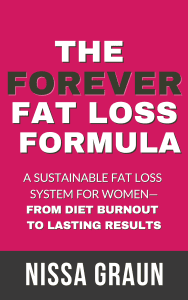
Nissa Graun is a health coach who helps women improve digestion and build sustainable fat loss habits without extreme dieting. After losing over 100 pounds while navigating her own digestive challenges, she focuses on whole food-first strategies that support bile flow, stomach acid, and gut health naturally. She is the author of The Forever Fat Loss Formula, which teaches women how to eat more, train smarter, and improve digestion for long-term results.


Leave a Reply