Feeling bloated after every meal can be frustrating, uncomfortable, and disruptive to your daily life. Whether it happens after large meals, or even after a small amount of food, post-meal bloating is one of the most common digestive complaints—and one of the most misunderstood.
Many people assume bloating means food intolerance or irritable bowel syndrome. In many cases, bloating is a functional digestive issue, not a permanent medical condition. The good news is that when you understand the cause of your bloating, small changes can often make a big difference in helping you improve digestion naturally.
This article explores why you may feel bloated after eating, the most common causes of abdominal bloating, and how to support digestion naturally using a Kick It Naturally–aligned approach.

Disclaimer: This article is for educational purposes only and does not replace medical advice. Always consult a qualified healthcare provider for diagnosis or treatment decisions. I’m not a doctor. I’m a health coach who lost over 100 pounds while improving my own digestive health using the same natural methods I teach on my website and YouTube channel.
This article contains affiliate links. I only recommend products I personally use and trust.
Why Am I Feeling Bloated After Every Meal?
Bloating happens when excess gas, fluid retention, or slowed digestion causes abdominal distension and a bloated feeling. For some people, bloating is occasional. For others, it feels like every single meal triggers stomach discomfort.
If you’re bloated after eating anything—even if you eat very little—it usually means the digestive process is struggling at one or more stages of digestion.
Common signs include:
-
A bloated stomach shortly after meals
-
Excess gas or gas bubbles
-
Abdominal pain or pressure
-
A tight, uncomfortable feeling in your abdomen
-
Stomach bloating, even with smaller meals
Understanding where digestion is breaking down is the first step.
The Digestive Process (and Where It Can Go Wrong)
Digestion begins in your mouth and continues through your digestive tract, including the stomach, small intestine, and GI tract. Each stage relies on proper timing, gut motility, stomach acid, bile, and digestive enzymes.
When one step is skipped or weakened, food isn’t fully broken down. This can lead to:
-
Increased gas production
-
Excessive gas trapped in the intestines
-
Irritation of the digestive system
-
Bloating after eating anything
This is why bloating is considered a common symptom of a digestive imbalance rather than a diagnosis on its own.
Most Common Causes of Bloating After Eating
While bloating after eating does point to a digestive imbalance, there’s more than one thing to look at if this is a recurring issue for you. Some of the most common causes of feeling bloated after eating include:
1. Low Stomach Acid
Low stomach acid can slow digestion and allow food to ferment instead of breaking down properly. This fermentation creates excess gas, leading to stomach bloating and post-meal bloating.
Low acid is also commonly linked to acid reflux, functional dyspepsia, and bloating after large or frequent meals.
2. Poor Gut Motility
When gut motility is slow, food sits too long in the stomach or small intestine. This can cause:
-
Abdominal bloating
-
Excess air and gas
-
A bloated feeling after small portions
A short walk after meals or getting regular exercise can help stimulate movement through the digestive tract.
3. Digestive Enzyme Deficiency
Digestive enzymes help break down protein, fats, and carbohydrates. Without enough enzymes, undigested food feeds gut bacteria, which can increase gas production and bloating.
Supplementing with digestive enzymes can be especially helpful for people who experience:
-
Stomach bloating after eating very little
-
Bloating after eating anything
-
Digestive symptoms with protein or fat
If you choose to supplement meals with digestive enzymes, quality matters. The digestive enzyme I personally use and often recommend to clients when appropriate is Digesti-Zyme from Empirical Labs since it’s a high-quality, broad-spectrum formula.
Buy Digesti-Zyme Here
Gut Bacteria, SIBO, and Gas Production
An imbalance in gut bacteria—or small intestinal bacterial overgrowth (SIBO)—can contribute to chronic bloating, abdominal distension, and excessive gas. While SIBO is a medical condition that must be diagnosed by a healthcare provider, many people experience bacterial overgrowth patterns in the digestive tract without a formal diagnosis.
When carbohydrates ferment too early in the digestive process—particularly in the small intestine—gas builds up quickly. This can lead to stomach bloating, pressure, and a bloated feeling soon after meals.
From a functional digestion perspective, this early fermentation often occurs when digestion is slow or incomplete. Low stomach acid, reduced digestive enzyme output, and poor gut motility can all allow bacteria to feed on food before it has been properly broken down.
This is why some people feel bloated after eating “healthy” foods like whole grains, vegetables, or high-fiber meals. The issue isn’t always the food itself—it’s when and where fermentation is happening.
Common Culprits That Worsen Bloating
Some foods and habits are common triggers for abdominal bloating. Common offenders may include:
-
Fizzy drinks and carbonated beverages
-
Chewing gum (introduces excess air)
-
Artificial sweeteners
-
Dairy products (especially if you deal with lactose intolerance)
-
Gluten sensitivity or celiac disease
-
Gas-producing foods
-
Large meals or eating too much fiber too quickly
Keeping a food diary can help identify trigger foods and patterns over time. Using digestive enzymes with trigger foods may be helpful for some.
Lifestyle Factors That Affect Bloating
Bloating isn’t just about food since lifestyle factors can also play a significant role.
Factors that may influence bloating include:
-
Eating too quickly or swallowing too much air while eating
-
Stress and poor gut-brain signaling
-
Irregular bowel habits
-
Hormonal shifts during your menstrual cycle
-
Fluid retention
-
Poor sleep
Making small changes—like slowing down meals, thoroughly chewing each bite, or eating smaller portions—can significantly reduce bloating for some.
Occasional vs. Chronic Bloating
While occasional bloating can be normal, especially after a heavy meal, chronic or painful bloating that affects your quality of life may signal an underlying cause.
Seek medical attention if bloating is accompanied by:
-
Severe bloating
-
Persistent abdominal pain
-
Unexplained weight loss
-
Changes in bowel movement patterns
-
Blood in stool
-
Symptoms like fatigue or nausea
Rare but serious medical conditions—such as ovarian cancer or liver disease—can cause abdominal distension and should always be ruled out by a healthcare provider.
Your First Step for Bloating
Within the Kick It Naturally framework, the first step is always restoring proper digestion—not eliminating endless foods.
This includes:
-
Supporting stomach acid before assuming food intolerance
-
Improving bile flow and fat digestion
-
Using digestive enzymes appropriately
-
Reducing excess air and gas-producing habits
Many people jump straight to restrictive diets like the low-FODMAP diet without addressing digestion itself. That often leads to temporary relief—but won’t help gut health long-term.
Natural Ways to Reduce Feeling Bloated After Every Meal
The good news is there are simple things you can do to reduce post-meal bloating.
Simple, sustainable strategies include:
-
Eating smaller meals or smaller portions
-
Taking a short walk after eating
-
Drinking plenty of water (not excessive amounts with meals; avoid carbonated drinks with meals)
-
Using herbal teas like ginger or peppermint
-
Applying a warm compress to relieve discomfort
-
Avoiding over the counter medications unless medically necessary
-
Supporting digestion instead of suppressing or covering up symptoms
These small changes support the digestive system without extreme dietary changes.
When Food Intolerance May Be Involved
Specific food intolerance—such as lactose intolerance, food allergies, or gluten sensitivity—can cause stomach pain, bloating, digestive issues, and more.
However, many people can regain tolerance to foods once digestion improves. This is why identifying the cause of your bloating matters more than avoiding lots of foods long-term.
While improving digestion won’t fix every digestive problem you have, it can go a long way to improving how you feel after eating once you take the right steps.
The Good News About Bloating After Eating
Even though bloating after eating isn’t ideal, the good news is it’s one of the most responsive digestive symptoms when you address digestion at the root.
Most people who deal with:
-
Feeling bloated after eating
-
Bloating after eating anything
-
Stomach bloating after even small amounts of food
…aren’t broken—and don’t need extreme restriction.
With the right support, digestion often improves, bloating decreases, and daily activities feel easier again.
Final Thoughts: Feeling Bloated After Every Meal
Feeling bloated after every meal doesn’t mean your body is failing—it means your digestive system is asking for support.
By understanding the digestive process, identifying common culprits, and making small, strategic changes, many people experience meaningful relief from bloating—without sacrificing quality of life.
If symptoms persist, always work with a qualified healthcare provider to rule out medical conditions and ensure appropriate care.
About the Author
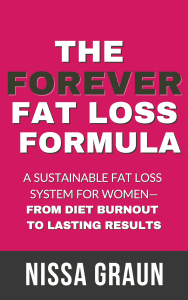
Nissa Graun is a health coach who helps women improve digestion and build sustainable fat loss habits without extreme dieting. After losing over 100 pounds while navigating her own digestive challenges, she focuses on whole food-first strategies that support bile flow, stomach acid, and gut health naturally. She is the author of The Forever Fat Loss Formula, which teaches women how to eat more, train smarter, and improve digestion for long-term results.


Leave a Reply