Feeling full after eating a small amount of food can be frustrating, confusing, and sometimes concerning. Many people notice a full feeling long before finishing a normal-sized meal, even when appetite is present.
This experience—often called early satiety—reflects how your digestive system is moving food rather than simply how much food you ate. The movement of food through digestive organs, stomach muscles, and the small intestine plays a major role in whether meals feel comfortable or heavy.
As a health coach who helps clients improve digestion naturally, I frequently see this pattern alongside symptoms like bloating, food sitting in the stomach, or poor tolerance to higher-fat meals.
This article explains common causes of early satiety, supportive dietary changes, and when medical care may be appropriate.

Early fullness often reflects how food is moving through the digestive system.
Disclaimer: This article is for educational purposes only and does not replace medical advice. Always consult a qualified healthcare provider for diagnosis or treatment decisions. I’m not a doctor—I’m a health coach who lost over 100 pounds while improving my own digestive health using the same natural methods I teach on my website and YouTube channel.
This article contains affiliate links. I only recommend products I personally use and trust.
Why You Feel Full After Eating Small Amounts
After a full meal, stomach contents are gradually moved into the small intestine through coordinated stomach muscle contractions, digestive enzymes, bile release, and nervous system signaling.
The vagus nerve helps regulate this timing, influencing gastric emptying, blood sugar levels, and feelings of fullness. When this coordination slows, even smaller portions can lead to stomach discomfort, abdominal pain, bloating, or a loss of appetite.
In these cases, early fullness becomes less about portion sizes and more about digestive timing—similar to the sensation of food sitting in the stomach longer than expected.
Common Digestive Causes of Early Satiety
Early fullness can occur for various reasons, ranging from temporary digestive disruptions to longer-term digestive patterns.
One common factor is slow stomach emptying. In more severe cases this may be described as gastroparesis or idiopathic gastroparesis, where stomach muscles move food more slowly. Symptoms of gastroparesis can include persistent early satiety, nausea, acid reflux, and abdominal pain. A healthcare provider may use a gastric emptying study if delayed movement is suspected.
Other gastrointestinal disorders—such as functional dyspepsia, irritable bowel syndrome, viral infections, bacterial infections, or recovery from a stomach bug—can temporarily affect how food moves through your digestive tract.
Digestive enzyme output, bile timing, and blood glucose regulation also influence how stomach contents leave the stomach. When coordination is off, even small amounts of food can feel heavy or slow.
In some cases, early fullness may be a symptom of another condition, including liver disease, peptic ulcers, or gastroesophageal reflux disease (GERD). Blood tests such as a complete blood count or blood glucose evaluation may help medical professionals rule out underlying medical condition patterns.
Food and Lifestyle Factors That Influence Fullness
Certain eating patterns can make early satiety more noticeable.
Large meals, fizzy drinks, high-fiber foods, wholegrain bread, ice cream, and higher-fat meals may increase pressure in the digestive tract. In contrast, smaller meals, frequent meals, mindful eating habits, smaller portions, and gentle dietary changes often improve comfort.
Simple habits—such as a short walk after eating—can support stomach muscle movement and blood sugar stability. These strategies focus on improving digestive timing rather than restricting food intake.
When to Seek Medical Help for Feeling Full After Eating A Small Amount
Persistent early satiety, unintentional weight loss, severe abdominal pain, nutritional deficiencies, or reduced quality of life should be evaluated by a healthcare provider.
A physical exam, medical history review, upper GI testing, blood tests, or a gastric emptying study may be considered if delayed stomach emptying is suspected. Treatment approaches vary depending on the underlying cause and symptom severity.
Early fullness can sometimes be a symptom of an underlying medical condition, which is why appropriate medical care matters.
Digestive Causes of Feeling Full After Eating Small Amounts
In many non-severe cases, early fullness reflects coordination issues within your digestive system rather than something more serious going on.
Digestive enzymes, stomach acid signaling, bile flow, and nervous system regulation work together to move food efficiently. When one step lags, stomach contents remain longer, contributing to feelings of fullness after small amounts of food.
Supporting digestive timing through dietary changes, smaller portions, and supporting digestion in the right order can improve comfort.
Some people explore bile support strategies because bile helps signal the transition of food from the stomach to the small intestine and supports fat digestion.
When bile timing is sluggish, meals—especially those containing fats—may feel heavy or slow to move.
That’s one reason the Beet Flow bile flow support supplement is sometimes used within a broader digestive routine.
Final Thoughts: Feeling Full After Eating A Small Amount
Feeling full after eating small amounts of food can have many causes, from temporary digestive disruption to slow stomach emptying or other health problems.
Understanding symptoms of early satiety through a digestive lens helps identify supportive strategies while recognizing when medical evaluation may be appropriate.
Improving digestive coordination—rather than simply eating less—is often the key to restoring comfortable meals and more predictable digestion over time.
About the Author
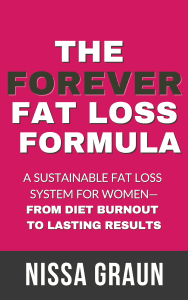
Nissa Graun is a certified health coach who focuses on digestion-first strategies to support sustainable fat loss and digestive health. After losing over 100 pounds while navigating her own digestive challenges, she now helps women improve bile flow, stomach acid function, and overall gut health through practical, whole-food approaches. She is the author of The Forever Fat Loss Formula. Her work focuses on practical digestion protocols for women over 40.


Leave a Reply