Natural Ways to Improve Motility and Prevent Bloating, Reflux, and Food Sitting
If you’re searching for how to increase gut motility naturally, you may be dealing with frustrating symptoms like food sitting in your stomach for hours.
Many people with slow motility also experience bloating after meals, along with acid reflux and constipation.
In many cases, the issue isn’t the food itself—it’s poor gut motility.
Gut motility refers to the movement of food through the digestive tract. When this movement slows down, everything backs up, pressure builds, fermentation increases, and unwanted symptoms appear.
And here’s the part most people miss:
You can’t fix bloating, reflux, or “food sitting,” without improving gastrointestinal motility.
This article explains how to increase gut motility naturally, why it plays a significant role in your digestive symptoms, and how this fits into a digestion-first approach.

Disclaimer: This article is for educational purposes only and does not replace medical advice. Always consult a qualified healthcare provider for diagnosis or treatment decisions. I’m not a doctor—I’m a health coach who lost over 100 pounds while improving my own digestive health using the same natural methods I teach on my website and YouTube channel.
This article contains affiliate links. I only recommend products I personally use and trust.
What Is Gut Motility?
Gut motility (also called GI motility or gastrointestinal motility) is the coordinated series of muscle contractions that move food through your stomach, small intestine (small bowel), and large intestine (colon).
This movement isn’t random. It’s a highly regulated process that depends on communication between your nervous system and the muscles lining your digestive tract.
These contractions are controlled by:
-
The enteric nervous system (often referred to as the “second brain”)
-
The vagus nerve
-
The autonomic nervous system
-
The smooth muscle lining your GI tract
When motility is healthy, food moves at the right pace for:
-
Proper stomach acid breakdown
-
Digestive enzymes to work efficiently
-
Nutrient absorption in the small intestine
-
Regular bowel movements in the large intestine
When this coordination slows down, the retention of intestinal contents begins creating problems both upstream and downstream in the digestive system.
Why Slow Gut Motility Causes Bloating, Reflux, and Food Sitting
Slow motility is a known cause of many digestive symptoms that people try to fix with diet changes alone. These symptoms include:
1. Food Sitting Too Long in the Stomach
When gut motility is slow, the stomach doesn’t empty at the pace it should. Food remains in the stomach longer than normal instead of moving smoothly into the small intestine.
This creates pressure, heaviness, and that familiar “rock in the stomach” feeling many people notice after meals.
It’s often mistaken for low stomach acid alone. In reality, a motility issue in the stomach is frequently part of the picture, since stomach acid and movement work together to move food forward.
2. Bloating After Meals
When food moves too slowly through the small intestine, it sits there longer than it should. This gives gut bacteria more time to ferment the food before it’s fully digested.
As fermentation increases, gas builds, and the abdomen begins to expand—which is why bloating often shows up shortly after eating.
This is a major contributor to symptoms that are often labeled as:
-
Irritable bowel syndrome (IBS)
-
Small intestinal bacterial overgrowth (SIBO)
-
Chronic bloating
In many cases, the issue isn’t just the type of food being eaten, but how slowly that food is moving through the digestive tract.
3. Acid Reflux and Burning
When gut motility is slow, food and stomach contents remain in the stomach longer than they should. As pressure builds, it can force contents upward toward the esophagus.
This pressure—not excess acid—is often what creates the burning sensation people associate with reflux.
This is why many people with reflux don’t actually have too much acid—they have poor gut motility that prevents food from moving forward efficiently.
4. Chronic Constipation and Slow Transit
In the large intestine, gut motility is responsible for moving waste toward elimination. When this movement slows down, stool remains in the colon longer than it should.
As more water is absorbed from the stool, it becomes harder, drier, and more difficult to pass.
Over time, this can lead to slow transit constipation, difficulty passing stool, and in some cases functional constipation.
The Migrating Motor Complex: Your Built-In “Gut Cleaning Wave”
Between meals, your body activates a pattern called the migrating motor complex (MMC).
This is a wave of motion that:
-
Sweeps bacteria and debris out of the small intestine
-
Prevents small intestinal bacterial overgrowth (SIBO)
-
Resets the digestive tract for your next meal
If you snack all day, eat late at night, or have nervous system dysregulation, this wave doesn’t occur properly.
When the MMC can’t do its job, bacteria and partially digested food remain in the small intestine longer than they should. This contributes directly to fermentation, bloating after meals, and the feeling that food is “just sitting” in the digestive tract.
Slow gut motility and poor MMC function go hand in hand.
Root Causes of Slow Gut Motility
This is where a digestion-first approach becomes important, focusing on improving how the body processes food naturally. The main components include having sufficient stomach acid to break down food and improving sluggish bile flow.
But there’s still more to the story since motility problems are rarely random and can have more than one cause.
They are usually tied to:
-
Poor vagus nerve tone
-
Nervous system stress
-
Lack of movement in daily life
-
Overuse of laxatives (laxative effect dependency)
-
Pelvic floor muscle dysfunction
-
Diets low in dietary fiber and whole foods
When several of these factors are present at the same time, it becomes much easier for gut motility to slow down and for digestive symptoms to appear.
How to Increase Gut Motility Naturally (Daily Habits That Work)
The following strategies support healthy motility without forcing the system.
The good news is that gut motility often responds quickly when the underlying causes are addressed. Instead of relying on laxatives or restrictive diets, the goal is to restore the natural signals that tell your digestive tract when and how to move.
That means supporting the nervous system, improving digestion upstream, and using simple daily habits that encourage food to move through the gastrointestinal tract at the right pace.
Here are the most effective ways to do that.
1. Support the Vagus Nerve and Autonomic Nervous System
The vagus nerve is a major communication pathway between your brain and digestive system, which helps control when and how your gut moves food forward. It directly influences gut motility.
The best ways to stimulate it include:
-
Slow nasal breathing before meals
-
Humming or gargling
-
Eating in a relaxed state
-
Regular physical activity
This improves blood flow to internal organs and restores proper muscle function in the GI tract.
2. Space Meals to Allow the Migrating Motor Complex to Work
Instead of constantly snacking, aim for 3–4 hours between meals so the migrating motor complex (MMC) has time to activate and clean the small bowel.
This wave of motion only occurs when you’re not eating, which is why frequent snacking can interfere with one of the body’s most important gut-clearing mechanisms.
Allowing this natural reset between meals can have a significant impact on bloating, fermentation, and SIBO-type symptoms.
3. Use the Right Foods to Stimulate Motility
Certain foods naturally encourage movement in the digestive tract by adding stool bulk and feeding beneficial gut bacteria.
Focus on fiber-rich foods that gently stimulate motility, such as:
-
Leafy greens
-
Whole grains like brown rice and whole wheat bread
-
Olive oil
-
Psyllium husk (for some people)
-
Popular fruit like kiwi
-
Insoluble fiber sources like carrots, zucchini, celery, and apple skins
These high-fiber foods add bulk to stool, which signals the large intestine to contract and move waste forward.
They also feed good bacteria and improve the gut microbiota without irritating the digestive system the way spicy foods can.
For people with very sluggish digestion, suddenly increasing fiber too quickly can temporarily worsen bloating. Gradually introducing fiber and focusing on improving digestion upstream often leads to better results.
This is why some people focus on supporting stomach acid and enzymes before dramatically increasing fiber intake.
In some cases, supporting digestion with enzymes alongside higher-fiber meals may also help your body break food down more comfortably while motility improves.
4. Walk After Meals
One of the simplest ways to encourage healthy gut motility is taking a short walk after eating. Even 10 minutes of light movement can help stimulate the natural muscle contractions that move food through your digestive tract.
Walking also encourages blood flow to the digestive organs, which supports your body’s ability to process a meal more efficiently.
As an added benefit, light activity after meals can help moderate blood sugar response, making this a helpful habit for overall digestive and metabolic health.
5. Support Stomach Acid and Digestive Enzymes
Gut motility doesn’t work independently. It relies on proper food breakdown in the stomach before food can move efficiently into the small intestine.
When stomach acid is low:
-
Food doesn’t break down well
-
The stomach empties more slowly than it should
-
The small intestine becomes overwhelmed with partially digested food
This slows the overall movement of food through the digestive tract and increases the likelihood of bloating and fermentation downstream.
Improving stomach acid levels and supporting digestion with enzymes when appropriate can help food break down more efficiently, allowing for faster and smoother movement through the gut.
Some people choose to use a gentle digestive enzyme supplement with higher-fiber meals while their digestion improves.
6. Improve Bile Flow and Fat Digestion
Bile plays an important role in moving food through the small intestine, especially after meals that contain fat. When bile is released properly, it helps break fats down and signals the digestive tract to keep food moving forward.
When bile flow is sluggish, fat digestion slows down. This can cause food to linger longer in the small intestine, contributing to bloating, heaviness after meals, and slower overall gut motility.
Supporting healthy bile flow through foods like olive oil, bitter foods, and proper meal spacing can help restore this natural signaling process.
In some cases, people also explore bile support supplements as part of improving fat digestion and motility.
7. Address Pelvic Floor Muscle Function (for Constipation)
In the final stage of digestion, pelvic floor muscles help coordinate the release of stool during a bowel movement. When these muscles don’t relax and contract properly, stool can be difficult to pass even when gut motility is otherwise improving.
This is known as pelvic floor dysfunction and can contribute to slow transit constipation or the feeling of incomplete elimination. It can be especially common after pregnancy.
In some cases, biofeedback therapy with a qualified health professional can help retrain these muscles and improve coordination.
When to Speak With a Healthcare Provider
While slow gut motility is common and often improves with lifestyle and digestion-focused changes, certain symptoms should always be evaluated by a healthcare professional.
These include:
-
Unexplained weight loss
-
Fecal incontinence
-
Difficulty swallowing
-
Severe abdominal pain
-
Blood in the stool
A healthcare provider may use tools such as breath tests or other evaluations to rule out underlying intestinal motility disorders or other digestive conditions.
The Good News About Increasing Gut Motility
The encouraging part about learning how to increase gut motility is that it often responds quickly when simple daily habits are adjusted.
Healthy adults who:
-
Move their body regularly
-
Eat whole, fiber-rich foods
-
Support their nervous system
-
Space meals properly
…often notice meaningful improvements in:
-
Bloating
-
Reflux
-
Bowel movements
-
Overall gut health
These changes work because they restore the natural signals that tell the digestive tract when and how to move food forward.
Final Thoughts: How to Increase Gut Motility
If you feel like food moves slowly, sits in your stomach, or your digestive symptoms never fully resolve, focusing only on diet can miss an important root cause.
Improving gut motility supports:
-
Stomach acid function
-
Digestive enzymes
-
The small intestine
-
The large intestine
-
The entire digestive system
Because when food moves through the digestive tract at the right pace, each part of digestion is able to do its job more effectively.
When digestion works the way it’s designed to, many uncomfortable symptoms begin to improve naturally.
About the Author
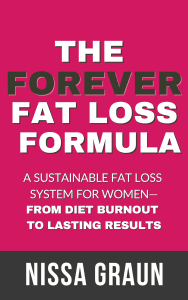
Nissa Graun is a certified health coach who helps women improve digestion and build sustainable fat loss habits without extreme dieting. After losing over 100 pounds while navigating her own digestive challenges, she focuses on whole food-first strategies that support bile flow, stomach acid, and gut health naturally. She is the author of The Forever Fat Loss Formula, which teaches women how to eat more, train smarter, and improve digestion for long-term results.


Leave a Reply