Low stomach acid is one of the most misunderstood digestive issues because its symptoms often mimic conditions that are assumed to involve excess acid. When stomach acid is insufficient, digestion breaks down at the very first step—creating a cascade of downstream problems that are difficult to resolve without addressing this root imbalance.
If you’ve been dealing with acid reflux, bloating, abdominal pain, food intolerance, hair loss, nutrient deficiencies, or worsening symptoms after meals, you may have been told that you have too much acid. But for many people, especially those with long-term digestive issues, the opposite can be true.
Low stomach acid—which is referred medically as hypochlorhydria—can quietly disrupt digestion, weaken the immune system, and create the perfect environment for harmful bacteria to thrive.
This article is designed to be the central hub to help you understand how stomach acid works, why it matters, what causes it to decline, and how it fits into a root-cause digestion strategy.

Stomach acid plays a central role in food breakdown and signals proper stomach emptying at the start of digestion.
Disclaimer: This article is for educational purposes only and does not replace medical advice. Always consult a qualified healthcare provider for diagnosis. I’m not a doctor—I’m a health coach who lost over 100 pounds while improving my own digestive health using the same natural methods I teach on my website and YouTube channel.
This article contains affiliate links. I only recommend products I personally use and trust.
What Is Stomach Acid—and Why It’s Important
Stomach acid, also known as gastric acid, is primarily composed of hydrochloric acid. Its production occurs in specialized cells known as parietal cells, which line the stomach lining.
It plays an important role in proper digestion by:
-
Breaking down protein into usable amino acids
-
Activating digestive enzymes
-
Sterilizing food by killing harmful bacteria
-
Supporting nutrient absorption, including vitamin B-12, iron, calcium, and magnesium
-
Triggering downstream digestion in the small intestine
-
Signaling the proper opening and closing of the lower esophageal sphincter (LES)
Without sufficient levels of gastric acid, digestion becomes incomplete, inefficient, and inflammatory over time. This may result in the symptoms of low stomach acid, which are explained below.
Low vs High Stomach Acid: What’s the Difference?
One of the most confusing aspects of digestion is the assumption that reflux symptoms automatically mean high stomach acid. After all, this is what many doctors are taught in medical school, and what we all learn through ads that promote medicinal solutions, both over-the-counter fixes, as well as prescription medications.
In reality, both high and low stomach acid can cause similar symptoms—especially gastroesophageal reflux disease (GERD) and acid reflux.
When it’s insufficient, food is not broken down efficiently. This delays stomach emptying, increases pressure inside the stomach, and makes upward movement of acidic contents more likely. The sensation feels identical to “too much acid,” even though the underlying issue is impaired digestion rather than excess production.
This sequence typically unfolds when stomach acid is insufficient:
-
Food remains in the stomach longer than intended
-
The stomach becomes overfilled with partially digested food
-
Internal pressure increases
-
Acidic contents are more likely to move upward into the esophagus
This reflux is often misinterpreted as ‘too much acid,’ when the underlying driver is impaired digestion rather than excess acid production.
This is why many people see only short-term relief—and worsening symptoms long term—when using proton pump inhibitors (PPIs).
When High Acid Can Be the Problem
While low acid is far more common than most people realize, true high stomach acid does exist in specific situations. These cases are much less common and are typically associated with identifiable medical conditions rather than lifestyle-driven digestive dysfunction.
High acid may be involved when someone has conditions such as Zollinger–Ellison syndrome, certain types of stomach ulcers, or rare tumors that cause excessive gastric acid secretion. In these cases, symptoms are often severe, persistent, and do not improve with dietary or lifestyle changes alone.
This is why proper evaluation by a healthcare provider is important when symptoms are intense, progressive, or unexplained.
How Proton Pump Inhibitors Can Make Things Worse
Proton pump inhibitors (PPIs) are medications that reduce stomach acid production by blocking the “proton pumps” in the stomach lining that release acid during digestion. They’re commonly prescribed for acid reflux and GERD, but they often focus on symptom relief rather than addressing why acid levels became imbalanced in the first place.
While PPIs can reduce burning sensations by lowering acidity, they do not address why digestion became inefficient in the first place. In the absence of sufficient acid, protein digestion, nutrient absorption, and microbial defense are further compromised.
In most instances, PPIs are meant as a short term solution. Since most people are never taught about long term effects, many rely on these medications for months, or even years.
Long-term PPI use is associated with:
-
Low stomach acid levels
-
Increased risk of nutrient deficiencies
-
Reduced protein digestion
-
Increased risk of small intestinal bacterial overgrowth (SIBO)
-
Higher susceptibility to bacterial infection, including helicobacter pylori infection (h. pylori infection)
-
Impaired immune response in the GI tract
In the Kick It Naturally–aligned framework, PPIs are viewed as symptom management tools—not root-cause solutions.
Common Symptoms of Low Stomach Acid
The most common symptoms of low acid are often mistaken for other digestive conditions, including irritable bowel syndrome.
Low stomach acid symptoms may include:
-
Acid reflux or GERD
-
Bloating after meals
-
Feeling full quickly
-
Abdominal pain or pressure
-
Food intolerance
-
Undigested food in stool
-
Hair loss
-
Fatigue
-
Frequent food poisoning
-
Chronic digestive issues
-
Nutritional deficiencies
-
Poor protein digestion
-
Weak immune system
-
Recurrent bacterial infections
Since these symptoms overlap with many other digestive problems, low stomach acid is often missed or misdiagnosed.
While these symptoms are not exclusive to low gastric acid, insufficient acid is a common upstream contributor that is frequently overlooked during evaluation.
What Causes Low Stomach Acid?
This health issue doesn’t just happen randomly. It develops gradually in response to specific risk factors, many of which are lifestyle-related. It can often take years to show up, leading people to believe that the health issues they’re dealing with are just genetic or bad luck.
Some of the biggest causes of low stomach acid include:
1. Chronic Stress
Chronic stress directly suppresses gastric acid secretion. Stress can alter thyroid hormones, reduce vagal nerve signaling, and shift the body out of a “rest-and-digest” state—making adequate stomach acid production nearly impossible.
2. Poor Diet and Protein Deficiency
A poor diet that’s low in protein can reduce gastric acid output over time. Protein digestion is one of the primary triggers for hydrochloric acid release. When protein intake is low—or digestion is weak—the stomach adapts by producing less acid.
In more latent terms, stomach acid production follows a “use it or lose it” pattern over time. If your diet doesn’t contain sufficient protein to be broken down, stomach acid could weaken.
3. H. Pylori Infection
Helicobacter pylori infection is a type of bacteria that damages the stomach lining and interferes with acid production. Over time, this bacterial infection can lead to atrophic gastritis, low stomach acid, and stomach ulcers.
An h. pylori infection is typically diagnosed by a healthcare provider using medical tests such as a breath test, stool test, blood test, or endoscopy. Treatment usually involves a short course of prescription antibiotics—often combined with acid-reducing medication—to fully eradicate the bacteria.
4. Autoimmune Conditions
Autoimmune gastritis and other autoimmune disease processes can attack parietal cells, reducing acid and the stomach’s ability to absorb key nutrients like vitamin B-12—leading to a deficiency and long-term digestive problems.
5. Aging and Stomach Surgery
Gastric acid naturally declines with age, especially after stomach surgery. This decline isn’t insignificant, as it can impact nutrient absorption and immune function in the digestive tract.
This could be one reason many older people prefer easy to break down foods, such as sweets or other simple carbohydrates, since there’s no solid protein present that requires sufficient stomach acid for proper breakdown.
Low Stomach Acid and Bacterial Overgrowth
Stomach acid creates an acidic environment that protects the digestive system from harmful microbes.
When acid is low:
-
Harmful bacteria survive the stomach
-
They migrate into the small intestine
-
Small intestinal bacterial overgrowth (SIBO) becomes more likely
-
The large intestine microbiome becomes disrupted
Low stomach acid is also associated with leaky gut syndrome, chronic inflammation, and food intolerance due to repeated immune activation.
The Baking Soda Test: Is It Reliable?
The baking soda test (also called the sodium bicarbonate test) is often discussed online as a way to assess acid levels.
This test involves mixing sodium bicarbonate with water and observing how long it takes to produce a burp, which is caused by carbon dioxide from a chemical reaction with stomach acid.
While this test is often shared online as a self-check, it’s anecdotal in nature and does not measure gastric acid production in a clinically reliable way.
Reliable evaluation requires proper medical tests ordered by a healthcare provider.
Medical Tests for Low Stomach Acid
A stomach acid test may include any of the following:
-
Heidelberg pH test
-
Gastric pH testing
-
Blood markers associated with atrophic gastritis
-
Evaluation for h. pylori infection
-
Assessment of nutrient deficiencies
A healthcare provider can help determine whether low acid is present and identify contributing factors.
Supporting Gastric Acid Naturally
Rather than suppressing acid further, a root-cause approach focuses on restoring adequate stomach acid while supporting the digestive system as a whole. In many cases, insufficient acid is an overlooked upstream factor for people who continue to struggle despite trying multiple digestive approaches.
The following approaches are presented for educational context only and are typically used as part of a broader, individualized digestive strategy rather than as standalone solutions. These may include:
Digestive Bitters
Traditionally, bitters are made from bitter-tasting herbs and plant compounds that support the body’s natural digestive reflexes.
Digestive bitters stimulate gastric juice production by activating bitter taste receptors that signal the brain and digestive system to prepare for digestion. This helps the stomach release digestive juices, including stomach acid, before food enters the stomach. They’re commonly used as a gentle, upstream support when digestion is sluggish rather than as a standalone fix.
Raw Apple Cider Vinegar
Raw apple cider vinegar may support stomach acidity when used strategically and cautiously. It’s not appropriate for everyone and should never be used blindly.
When used, it’s generally taken in small amounts and diluted in water before meals to help signal the digestive system to prepare for digestion. Because it can irritate the stomach lining for some people, it should be used cautiously and discontinued if symptoms worsen.
Betaine HCL
Betaine HCL is a targeted tool used to support the production of hydrochloric acid in individuals with confirmed low acid. It should always be introduced carefully and within a structured treatment plan.
This is the method I personally used to rebuild weak stomach acid after years of restrictive dieting—under a structured approach that prioritized digestive order rather than symptom suppression. You can learn more about the Kick It Naturally system I followed in the linked article.
Digestive Enzymes
Digestive enzymes can help compensate for impaired digestion temporarily, but they do not replace the role of adequate stomach acid.
They are often discussed as short-term support tools when digestion is compromised upstream, rather than as a solution to the underlying cause.
Why Stomach Acid Comes First
Within the Kick It Naturally philosophy, stomach acid is viewed as the foundation of digestion.
That’s because without enough acid:
-
Your stomach cannot empty properly
-
The small intestine becomes overwhelmed
-
Your immune system weakens
-
Nutrient absorption declines
-
Digestive problems compound over time
Restoring sufficient stomach acid is often the missing piece for people who have tried everything else without success.
Because gastric acid sits at the top of digestion, some people explore targeted tools that are designed to support this step under appropriate guidance, such as Betaine HCL.
This supplement is considered a targeted tool rather than a general digestive aid and is typically discussed within a broader digestive framework that also accounts for bile flow and downstream digestion.
Final Thoughts: Address the Root Cause, Not Just the Symptoms
Low stomach acid isn’t a trendy diagnosis—it’s a foundational digestive imbalance with wide-ranging consequences.
By understanding how stomach acid works, why it declines, and how it affects the entire GI tract, you can finally shift away from symptom suppression and toward root-cause digestive healing.
This article is meant to serve as the hub for deeper dives into:
-
Acid reflux and low stomach acid
-
Digestive bitters
-
H. pylori and bacterial overgrowth
-
Nutrient deficiencies and poor digestion
When digestion improves at the top, everything downstream works better.
About the Author
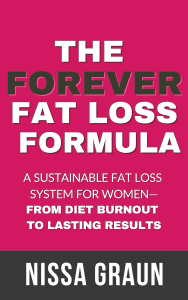
Nissa Graun is a health coach certified through the Kick It Naturally program, specializing in digestion-first strategies to support sustainable fat loss and digestive health. After losing over 100 pounds while navigating her own digestive challenges, she now helps women improve bile flow, stomach acid function, and overall gut health through practical, whole-food approaches. She is the author of The Forever Fat Loss Formula. Her work focuses on practical digestion protocols for women over 40.


Leave a Reply