Have you ever noticed oily stool—stool that looks greasy, floats, sticks to the toilet bowl, or leaves an oily film? While this type of stool change is fairly common, it can also feel embarrassing, leaving many people wondering about oily stool causes and whether it’s something to worry about.
Oily stool, sometimes called greasy or fatty stools, can happen when your digestive system isn’t isn’t breaking down or absorbing fat efficiently, which is a process often called fat malabsorption.
While this may happen occasionally after illness or significant diet changes, if oily stool becomes a pattern, it often means your digestion isn’t processing fats as smoothly as it could.
In my experience working with clients to improve digestion naturally—and personally navigating this myself—oily stool often improves when the pieces of fat digestion are supported rather than avoided.
This article explains what oily stool looks like, common causes, how bile flow and digestive enzymes influence fat absorption, and practical next steps that may help support digestion naturally.

Disclaimer: This article is for educational purposes only and does not replace medical advice. Always consult a qualified healthcare provider for diagnosis or treatment decisions. I’m not a doctor—I’m a health coach who lost over 100 pounds while improving my own digestive health using the same natural methods I teach on my website and YouTube channel.
This article contains affiliate links. I only recommend products I personally use and trust.
What Oily Stool Looks Like
Oily stool doesn’t always look the same, which is why many people aren’t sure if they’re actually dealing with fat digestion issues.
Oily stool can appear in several ways:
- Stool that floats or looks shiny
- Greasy residue in the toilet
- Strong smell
- Loose stools after fatty meals
- Pale or yellow stool
- Stool that is difficult to flush or sticks to the toilet
These stool changes happen when fat passes through the digestive tract without being fully broken down. Instead of being absorbed, some fat remains in the stool, which can change how bowel movements look, smell, and behave in water.
Why Stool Becomes Greasy
Oily stool usually happens when fat isn’t fully broken down or absorbed during digestion.
Fat digestion requires coordination between multiple digestive fluids and organs. When one step falls short, fat content in stool can rise.
Three key pieces are involved:
Enough bile
Bile flow helps emulsify fats so digestive enzymes can act on them. Low bile flow or bile salt deficiency can contribute to oily stool, especially if you’re following a high-fat diet or after a fatty meal.
Enough digestive enzymes
Pancreatic lipases break fats into fatty acids that the body digests and absorbs. Low levels of digestive enzymes can contribute to fatty stools, particularly when fats feel heavy after meals.
Small intestine absorption
The lining of the small intestine absorbs fat and fat-soluble vitamins after they’ve been broken down. When this environment is disrupted, fat absorption may decrease.
Common Causes of Oily Stool
There are many reasons oily stool can develop. Some are temporary, while others reflect how your digestive system is handling fat.
Common causes may include:
- Low bile flow or issues affecting bile movement
- Not enough digestive enzymes
- Small intestinal bacterial overgrowth (SIBO)
- Intestinal infections such as giardia (a tiny parasite)
- Sudden increases in dietary fat
- Medications that affect fat digestion
In some cases, ongoing poor fat digestion is linked to medical conditions that affect the pancreas, liver, or small intestine—such as celiac disease, Crohn’s disease, chronic pancreatitis, or exocrine pancreatic insufficiency. These examples are included for awareness, not self-diagnosis.
Often, symptoms begin gradually. Many people notice mild digestive changes first before symptoms become more persistent.
Foods That Can Make Oily Stool Worse
Certain food combinations may increase stool changes when fat digestion is already stressed.
This includes:
- Very high-fat meals
- Fried foods
- Rapid increases in dietary fat
- Large portion sizes
- Highly processed foods that can be harder to break down
This doesn’t mean fat is harmful. More often, it means your body needs better support to process fat efficiently since fat absorption relies on adequate bile flow, digestive enzymes, and coordination across the digestive tract.
A healthy approach is increasing dietary fat gradually and paying attention to how meals feel. Over time, many people notice tolerance improves as digestion becomes more consistent.
When Oily Stool May Signal Poor Fat Digestion
Occasional greasy stool can happen after illness or major dietary changes, however, persistent symptoms may suggest your body isn’t processing fat as effectively as it could.
Warning signs that may warrant medical attention include:
- Ongoing loose stools
- Unexplained weight loss
- Abdominal pain or stomach cramps
- Vitamin deficiencies involving fat-soluble vitamins
- Persistent stool changes despite dietary adjustments
If symptoms continue, healthcare professionals may review your medical history and use stool testing or other evaluations to better understand what’s affecting fat absorption.
How Fat Digestion Works (And Where It Breaks Down)
Understanding how fat digestion works helps explain why oily stool happens.

Fat digestion happens in sequence, which is why symptoms can appear when one step is under-supported.
Fat digestion begins in the stomach but relies heavily on bile flow and digestive enzymes in the small intestine. Bile emulsifies fat so enzymes can break it down, and the intestinal lining then absorbs those nutrients.
If bile flow is sluggish, enzyme output is low, or the small intestine environment is disrupted, fat may move through only partially digested. This is why stool changes often appear before other digestive symptoms.
Many people focus only on how much fat they eat, but the digestive system’s ability to process that fat is just as important.
How to Support Fat Digestion
Supporting fat digestion starts with improving the environment where it occurs rather than eliminating fat completely.
Support strategies often include:
- Gradual dietary changes instead of sudden high-fat intake
- Supporting stomach acid to trigger downstream digestion
- Ensuring enough digestive enzymes
- Supporting bile flow so fats emulsify properly
- Managing stress and meal timing
Some people choose targeted digestive support as part of this approach, particularly when stool changes happen consistently after fatty meals. Bile-support strategies—including food-based approaches and supplements designed to support bile flow—may help when fat digestion feels sluggish.
I explain how bile flow influences fat digestion and when bile support may be appropriate in my guide on Beet Flow.
Next Steps If Oily Stool Continues
Persistent oily stool doesn’t automatically mean a serious medical condition, but it does suggest fat digestion deserves attention.
Helpful next steps may include:
• Tracking which foods trigger stool changes
• Reviewing portion sizes and amount of fat per meal
• Supporting upstream digestion first (stomach acid, bile flow, and enzyme support)
• Speaking with a healthcare provider if symptoms persist or worsen
If oily stool continues despite basic adjustments, some people explore targeted support to help the body process fats more comfortably. Bile-support supplements such as Beet Flow are one option commonly used when dietary fats consistently trigger greasy stool.
In severe cases or when additional warning signs appear, medical professionals may explore treatment plans based on what may be affecting digestion.
Final Thoughts: Oily Stool Causes
Oily stool is often a sign that fat digestion isn’t fully supported rather than a signal to avoid fat entirely. Bile flow, digestive enzymes, and small intestine absorption all influence whether your body processes fat efficiently.
When these systems work together, stool changes often improve and fat-soluble vitamin absorption becomes more consistent.
If you want to explore whether bile flow may be contributing to your symptoms, start with my article on signs of low bile.
I also explain how bile-support strategies fit into a digestion-first approach in my guide to Beet Flow.
Small changes over time often make digestion feel more predictable.
About the Author
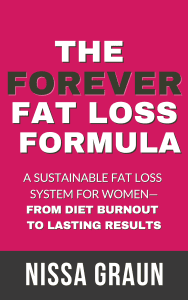
Nissa Graun is a certified health coach who focuses on digestion-first strategies to support sustainable fat loss and digestive health. After losing over 100 pounds while navigating her own digestive challenges, she now helps women improve bile flow, stomach acid function, and overall gut health through practical, whole-food approaches. She is the author of The Forever Fat Loss Formula.


Leave a Reply