If you’ve been dealing with bloating, abdominal pain, sluggish digestion, uncomfortable symptoms after fatty foods, or unexplained weight gain, you may be experiencing signs of poor bile flow.
For many people, these symptoms aren’t just about what they’re eating—they stem from how well the body digests fat. In particular, thick and sludgy bile can interfere with digestion and cause symptoms to build over time.
Bile plays a critical role in digestion, nutrient absorption, and waste removal. When bile flow slows down — even slightly—the entire digestive system can feel backed up.
I learned this the hard way.
Before starting the Kick It Naturally protocol to improve digestion, I experienced cystic acne, itchy skin, embarrassing diarrhea, nausea after meals, and stubborn digestive discomfort. Not a single healthcare provider connected these symptoms to bile flow or bile quality.
It wasn’t until I began actively working to improve digestion—including addressing thick, sticky bile—that things finally started to change. Natural digestion support tools, including Beet Flow became part of that process.
If you’re exploring bile flow support and want guidance on proper dosing and safety, start with my How to Take Beet Flow Safely guide.
In this article, I’ll walk you through the most common signs of poor bile flow, what contributes to it, and how to support bile flow naturally.

Disclaimer: This article is for educational purposes only and does not replace medical advice. Always consult a qualified healthcare provider for diagnosis or treatment decisions. I’m not a doctor—I’m a health coach who lost over 100 pounds while improving my own digestive health using the same natural methods I teach on my website and YouTube channel.
This article contains affiliate links. I only recommend products I personally use and trust.
What Is Bile and Why Does It Matter?
Bile is a digestive fluid produced by liver cells and stored in the gallbladder until it’s needed during digestion. It plays several important roles, including:
- breaking down fatty foods
- helping absorb fat-soluble vitamins (A, D, E, and K)
- supporting the elimination of metabolic waste products
- contributing to cholesterol metabolism
- helping remove waste substances like bilirubin from red blood cells
When bile flows efficiently from the liver through the bile ducts and into the small intestine, fats can be digested more effectively and nutrients are more easily absorbed.
When bile production slows or bile movement becomes less efficient, digestion may begin to feel heavier or less predictable over time.
Common Signs of Poor Bile Flow
Here are the most common symptoms of poor bile flow, bile duct problems, and sluggish liver function—especially in people over 40.
1. Trouble Digesting Fatty Foods
If you regularly notice symptoms like:
- gas
- bloating
- abdominal discomfort
- floating stool
- oily residue in the toilet
- loose or watery stools after meals
…it may suggest that fats aren’t being broken down as efficiently as they should be. In some cases, this can relate to reduced bile availability, including issues with bile salts or bile acid release needed for fat digestion.
This was one of my earliest signs. Anytime I ate meat, eggs, or meals containing healthy fats, I experienced painful gas and loose or watery stools. At the time, I assumed the food itself was the problem. Later, I realized digestion—not the food—was the issue, and that bile support was missing.
2. Bloating and Sluggish Digestion
People with poor bile flow may notice symptoms such as:
- nausea after higher-fat meals
- increased gas after eating
- feeling bloated or uncomfortable, especially after meals that contain fat
When bile flow is sluggish, digestive signaling can become less efficient. Bile works alongside stomach acid and digestive enzymes to help coordinate digestion and move food through the digestive tract at the right pace. When that signaling is off, digestion may slow down or feel incomplete.
Over time, this can contribute to symptoms like fermentation, loose stools, constipation, or a mix of both. These symptoms may overlap with patterns commonly associated with irritable bowel syndrome, which is why bile flow issues are sometimes overlooked.
3. Nutrient Absorption Problems are Signs of Poor Bile Flow
When bile flow is less efficient, nutrient absorption—especially of fat-soluble vitamins—can become compromised over time. Bile plays a key role in helping the body absorb vitamins A, D, E, and K, along with dietary fats.
When this process isn’t working optimally, some people may notice patterns such as:
- low vitamin D levels
- brittle nails
- skin rashes or changes
- ongoing inflammation-related symptoms
- mood changes
- hormonal shifts
- weight gain despite consistent dieting efforts
Even with a nutrient-dense diet, impaired fat digestion can make it harder for the body to fully absorb fat-soluble vitamins. This is one reason nutrient deficiencies can show up even when food choices appear solid on paper.
This was one of my biggest challenges before addressing bile flow. I was eating what I believed was a balanced diet and taking supplements, yet I wasn’t seeing improvements. As I learned more about digestion, it became clear that absorption—not intake—was the missing piece.
4. Yellowing of the Skin or Eyes
This sign is rare but serious and should never be ignored. Yellowing of the skin or eyes (jaundice), along with dark urine, can indicate that bile is not flowing properly through the liver or bile ducts.
In clinical settings, symptoms like these may be associated with conditions such as:
- bile duct obstruction
- bile duct disease
- biliary atresia
- cholestasis of pregnancy
- chronic liver disease
- liver injury or damage
Symptoms like jaundice require prompt evaluation by a qualified healthcare provider. A medical professional may use blood tests—such as liver function panels, bilirubin levels, or alkaline phosphatase—to help determine whether there is a serious underlying issue involving the liver or bile ducts.
This type of evaluation falls entirely within the scope of medical care and should not be self-managed.
5. Pale, Clay-Colored, or Floating Stool
Pale, clay-colored, or floating stool can suggest that bile isn’t reaching the small intestine as efficiently as it should. Bile gives stool its normal color and helps fats digest properly, so changes in stool appearance can reflect changes in fat digestion.
In some cases, this pattern may be associated with factors such as:
- reduced gallbladder contraction
- sluggish liver function
- not enough stomach acid
- bile duct–related conditions
- excess bile acids reaching the colon too quickly (sometimes referred to as bile acid–related diarrhea)
Floating stool is one of the stool changes people commonly notice early when fat digestion isn’t working optimally.
6. Hormonal Symptoms and Weight Fluctuations
Bile and liver function are closely involved in how the body processes and clears hormones. When bile flow is less efficient, this process may not work as smoothly, which can contribute to symptoms such as:
- weight gain or weight fluctuations
- difficulty losing weight
- mood changes
- PMS-like symptoms
- feeling more sensitive to stress
This connection is not always discussed in routine care, but major medical institutions recognize the liver’s role in metabolizing hormones, which is why digestion and liver function are often considered together in functional and integrative settings.
When bile movement is sluggish, your body may have a harder time clearing metabolic byproducts efficiently. Over time, this can contribute to symptoms that don’t immediately seem digestive in nature.
7. Pain Below the Right Rib Cage or into the Right Shoulder
Pain felt under the right rib cage or radiating into the right shoulder can be associated with issues involving the gallbladder or bile flow. In clinical settings, this type of pain may be discussed in relation to conditions such as:
- gallbladder inflammation
- reduced gallbladder contraction
- bile duct obstruction
- bile reflux
This type of pain is sometimes discussed alongside bile flow concerns, but it can also overlap with symptoms commonly attributed to digestive conditions like acid reflux or irritable bowel patterns. Because of this overlap, pain in this area should always be evaluated by a qualified healthcare provider to rule out more serious causes.
What Causes Poor Bile Flow? (Kick It Naturally Perspective)
Many discussions around poor bile flow focus primarily on medical conditions involving the liver or bile ducts. The Kick It Naturally approach looks at bile flow from a functional perspective, considering how daily habits, digestion patterns, and lifestyle factors can influence how bile is produced and released over time.
In many cases, the signs of poor bile flow develop gradually due to diet, stress, and digestive signaling issues rather than sudden disease.
Some common lifestyle and digestive factors that can contribute to sluggish bile flow include:
- chronic stress that downregulates digestion
- weak stomach acid
- reduced gallbladder contraction
- long-term low-fat dieting
- certain nutrient deficiencies
- sluggish liver function related to lifestyle or hormonal shifts
- gut microbiome disruptions
- eating too quickly or without adequate chewing
- ongoing low-grade inflammation
This is where my own experience fits in.
For years, I followed low-fat diets because they were widely promoted for weight loss. What I didn’t understand at the time was that the gallbladder relies on dietary fat as a signal to contract and release bile. When fat intake stays very low for long periods, that signaling can become less robust.
As I began reintroducing appropriate fats and supporting digestion more intentionally—including addressing sludgy bile flow with Beet Flow as part of a broader digestion-first routine—many of my digestive symptoms gradually improved.
How to Support Healthy Bile Flow Naturally
Supporting bile flow works best when you focus on digestion as a whole rather than relying on a single solution. Lifestyle habits, dietary patterns, and targeted support can all influence how efficiently bile is produced and released over time.
Below are approaches commonly used within a digestion-first framework.
1. Support the Liver and Bile Ducts with Beet Flow
Some people choose to use targeted bile-support supplements as part of a broader digestive routine. One option used within the Kick It Naturally approach is the Beet Flow supplement, which is formulated to support bile movement and fat digestion.
Beet Flow is designed to:
-
support bile flow
-
encourage normal bile movement
-
support liver function
-
improve fat digestion
-
ease feelings of sluggish digestion
I used Beet Flow as part of a broader digestion-first routine, alongside dietary changes and lifestyle adjustments. Over time, digestion felt more predictable, and some of the symptoms I’d struggled with began to improve.
Because of that experience, some people choose to explore targeted digestive supplements as part of a digestion-first approach. One option commonly used for bile support is Beet Flow by Empirical Labs, which is formulated to support bile flow and fat digestion when used appropriately.
In the following video I share more about how supporting digestion helped improve stubborn cystic acne.
2. Improve Stomach Acid Levels
Stomach acid plays an important role in digestive signaling, including:
• stimulating gallbladder contraction
• triggering digestive enzyme release
• helping coordinate the movement of food from the stomach into the small intestine
When stomach acid is low, this signaling can become less effective. Over time, that can make bile flow less responsive—even when the gallbladder itself is structurally healthy.
If you suspect stomach acid may be part of the issue, you can learn more about low stomach acid symptoms to help determine whether this applies to you.
3. Eat Enough Healthy Fats (not a low-fat diet)
Healthy fats help signal the gallbladder to contract and release bile. Diets that stay very low in fat for long periods can weaken this signal over time, making bile flow less responsive.
Many people do better when fat intake isn’t excessively restricted and instead makes up a meaningful portion of daily calories, especially when supporting digestion and hormone balance.
If fatty foods currently trigger symptoms, start with small amounts of healthy fats and increase gradually as digestion improves. Examples of healthy fats include olive oil, avocado, eggs, and fatty fish.
4. Dietary Changes to Support the Liver
If foundational digestion support still isn’t enough, certain food choices may help support liver function and bile movement naturally.
Some people find it helpful to include foods such as:
-
bitter greens (like arugula or dandelion greens)
-
beets
-
apple cider vinegar (used cautiously and diluted)
-
lemon water
-
high-fiber vegetables
These foods are commonly used to support digestion and bile flow gently, without relying on bile acid sequestrants or medical interventions. As with any dietary change, individual tolerance matters, especially if digestion has been sensitive.
5. Reduce Chronic Stress
Chronic stress can interfere with digestion by shifting the body out of rest and digest mode. When this happens, bile production and release may slow down, making digestion feel less efficient.
Even small, consistent habits can help support digestion over time. Simple actions like a short walk after meals, slow breathing, or a brief “body break” can help signal the nervous system back toward digestion.
6. Improve Gut Microbiome Health
The gut microbiome plays a role in how bile acids are processed in the digestive tract. Certain gut bacteria help regulate bile acid activity, which can influence stool consistency and digestive comfort.
When the microbiome is out of balance, bile acids may irritate the intestines or move through the digestive tract too quickly. This can contribute to symptoms like loose stools or bile acid–related diarrhea.
Supporting gut health through whole foods, adequate fiber, and gentle digestion-first habits can help create a more balanced environment for bile and digestion to work together.
When to Talk to a Healthcare Provider
While many digestion-related symptoms can be functional, certain signs should always be evaluated by a qualified healthcare provider.
Seek medical care promptly if you experience:
-
yellowing of the skin or eyes (jaundice)
-
dark urine or pale, clay-colored stools
-
severe or persistent abdominal pain
-
fever or signs of infection
-
sudden, unexplained weight loss
These symptoms may indicate gallbladder, bile duct, or liver conditions that require medical testing and treatment.
This article focuses on education and digestion support—not diagnosis. If symptoms feel severe, sudden, or concerning, medical evaluation is essential.
Signs of Poor Bile Flow: Final Thoughts
Poor bile flow is more common than most people realize, especially among women navigating hormonal changes, chronic stress, and long-standing digestive issues. The good news is that it’s often something you can support, rather than simply tolerate.
If you’re dealing with digestive discomfort, irritable bowel syndrome–like symptoms, nutrient deficiencies, pale stools, or feeling unwell after fatty meals, those signals are worth paying attention to.
Addressing the signs of poor bile flow often starts with understanding digestion upstream instead of masking symptoms.
Supporting digestion through functional, digestion-first steps—such as improving stress resilience, eating adequate healthy fats, supporting stomach acid, and using tools like the Kick It Naturally approach or Beet Flow when appropriate—can help digestion feel more consistent and comfortable over time.
You deserve meals that feel satisfying instead of stressful. You deserve digestion that supports your energy and nourishment. And you deserve an approach that works with your body, not against it.
If you want to explore how digestion fits together, these articles may help:
-
Xeneplex Suppositories: What They Are and Safety Considerations
Learn how supporting elimination can reduce digestive stress as part of a digestion-first approach. -
How to Increase Stomach Acid Naturally
Learn how stomach acid influences digestion upstream and why low acid is often mistaken for high acid. -
How to Improve Bile Flow for Healthy Digestion
Learn how bile supports fat digestion and nutrient absorption, and how to support bile flow naturally as part of a digestion-first approach.
About the Author
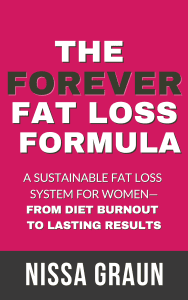
Nissa Graun is a certified health coach who helps women improve digestion and build sustainable fat loss habits without extreme dieting. After losing over 100 pounds while navigating her own digestive challenges, she focuses on whole food-first strategies that support bile flow, stomach acid, and gut health naturally. She is the author of The Forever Fat Loss Formula. This book teaches women how to eat more, train smarter, and improve digestion for long-term results.


Leave a Reply