If your stomach hurts after eating anything, it can make meals feel frustrating instead of enjoyable. While some people notice a dull ache or uncomfortable fullness shortly after eating, others experience stomach aches, general discomfort, or even a burning sensation in the upper abdomen.
Occasional digestive discomfort can happen to almost anyone. But when your stomach hurts after eating regularly, it often signals that something in the digestive system isn’t functioning as smoothly as it should.
This article will help you understand possible causes so you can identify patterns, support digestion, and know when it may be time to speak with a healthcare provider.
In my own experience working to resolve long-standing digestive discomfort, understanding how different steps of digestion work together often makes symptoms easier to interpret. It can also make it easier to identify practical steps that support better digestion over time.

Stomach pain after eating can happen when digestion isn’t working efficiently.
Disclaimer: This article is for educational purposes only and does not replace medical advice. Always consult a qualified healthcare provider for diagnosis or treatment decisions. I’m not a doctor—I’m a health coach who lost over 100 pounds while improving my own digestive health using the same natural methods I teach on my website and YouTube channel.
This article contains affiliate links. I only recommend products I personally use and trust.
Why Does My Stomach Hurt After Eating?
Eating starts a complex chain of events throughout your digestive tract. Food moves from the stomach into the small intestine, where nutrients are broken down and absorbed. Several digestive fluids and organs work together during this process.
When one step of digestion struggles, food may not break down or move efficiently through your body. This can lead to symptoms such as:
- Uncomfortable fullness
- Stomach aches
- Upset stomach
- Bloating after eating or excess gas
- Digestive discomfort after meals
Some people describe this feeling simply as their stomach hurting after eating anything.
Common Triggers When Your Stomach Hurts After Eating
Certain foods can place greater demands on the digestive system and trigger symptoms more easily.
Common triggers include:
- Fatty meals that trigger nausea
- Large meals
- Spicy foods
- Dairy products for those with lactose intolerance
- Foods that trigger food intolerances or food allergies
Keeping a food diary can sometimes help identify patterns between certain foods and digestive symptoms. Additionally, some people notice that switching to smaller meals or adjusting portion sizes helps reduce stomach discomfort after eating.
Digestive Conditions That May Cause Post-Meal Stomach Pain
Several health conditions may also contribute to stomach pain after eating. These may involve irritation of the stomach lining, inflammation within the digestive tract, or problems affecting how food moves through your system.
Some of the most common causes include:
Acid-related conditions
Low or imbalanced stomach acid can contribute to symptoms like acid reflux, gastroesophageal reflux disease (GERD), or a burning sensation in the upper abdomen. These symptoms often occur after eating, especially following large or fatty meals.
Food sensitivities and intolerances
Conditions like lactose intolerance, celiac disease, and other food intolerances may cause digestive issues after certain foods are eaten. These reactions can lead to bloating, stomach aches, and changes in bowel movements.
Digestive tract disorders
Conditions such as irritable bowel syndrome (IBS), inflammatory bowel disease, ulcerative colitis, or functional dyspepsia may also contribute to ongoing digestive discomfort.
Stomach infections or irritation
In some cases, bacterial infections such as H. pylori can irritate the stomach lining and contribute to symptoms like stomach ulcer formation or persistent stomach aches.
Because several different factors can contribute to stomach pain after meals, identifying the underlying issue often involves looking at symptoms, food patterns, and overall digestive function.
Other Medical Conditions That Can Cause Pain After Eating
Not all stomach pain after meals comes directly from digestion. In some cases, other medical conditions can produce similar symptoms.
These may include:
- Gallbladder problems such as inflammation of the gallbladder
- Inflammation of the pancreas (pancreatitis)
- Kidney stones
- Certain bacterial infections such as E. coli
- Stomach flu or food poisoning
These situations may cause symptoms such as severe abdominal pain, sharp pains, fever, or sudden digestive distress. If symptoms become severe, persistent, or unusual, seeking medical care is important to rule out a serious medical condition.
When to Seek Medical Attention
While occasional stomach discomfort after eating is common, certain symptoms may signal a more serious issue and should be evaluated by a healthcare provider.
Seek immediate medical attention or emergency care if stomach pain is accompanied by:
- Severe pain that does not improve
- Persistent vomiting
- Unexplained weight loss
- Black or bloody stool
- Fever or signs of infection
- Symptoms that interfere significantly with daily life
A medical provider may review your medical history, perform a physical examination, and recommend additional testing if needed.
Why Digestion Sometimes Feels Heavy After Eating
For many people whose stomach hurts after eating, the cause isn’t always a single disease but rather how the digestive process is functioning overall.

Digestion works as a sequence. When stomach acid, bile flow, digestive enzymes, or motility are under-supported, symptoms like stomach pain after eating can occur.
Digestion requires coordination between several steps, including:
- Stomach acid helping to break down food
- Digestive enzymes breaking food into smaller nutrients
- Bile entering the small intestine to help digest fats
- Muscle movement throughout the digestive tract moving food forward
If one step becomes less efficient, food may sit longer in the stomach or move through the digestive tract more slowly. This can create symptoms such as uncomfortable fullness, bloating, or general stomach aches after meals.
Fat digestion requires several coordinated steps, which is why fatty meals sometimes trigger digestive discomfort more easily than other foods.
Why Digestive Enzymes Don’t Always Solve the Problem
Many people whose stomach hurts after eating try digestive enzyme supplements to support digestion.
Digestive enzymes help break down carbohydrates, proteins, and fats so nutrients can be absorbed in the small intestine. In some situations, they may help reduce digestive discomfort.
However, enzymes are only one part of the digestive process.
If the stomach isn’t producing adequate stomach acid, or if bile isn’t entering the small intestine efficiently when meals arrive, food may still feel heavy even when digestive enzymes are used.
That’s why improving digestion sometimes requires looking at the entire digestive sequence rather than focusing on just one step.
The Role of Bile in Fat Digestion
One important step many people overlook in fat digestion involves bile.
The gallbladder stores bile, which helps break down dietary fats once food reaches the small intestine. When bile enters the small intestine at the right time, it helps fats digest more smoothly.
If bile isn’t flowing well or not arriving at the right time, fatty foods may sit heavier in the digestive system and contribute to symptoms like:
- Uncomfortable fullness after meals
- Digestive discomfort
- Stomach aches after eating fatty meals
- Bloating or changes in bowel movements
Supporting healthy bile flow is one reason some people explore targeted digestive support. One option sometimes used for this purpose is Beet Flow, a supplement designed to support bile flow and fat digestion.
In my own experience working to restore digestion after years of digestive issues, supporting bile flow made a noticeable difference in how heavy my stomach felt after eating. You can learn more about how Beet Flow works here.
Small Changes If Your Stomach Hurts After Eating
If your stomach hurts after eating frequently, small adjustments can sometimes improve how you feel.
Some helpful strategies include:
- Eating smaller meals instead of large meals
- Chewing food thoroughly
- Identifying trigger foods using a food diary
- Limiting foods that consistently trigger symptoms
- Supporting digestion through balanced meal timing
Over time, improving how food moves through the digestive system can help reduce digestive discomfort and make meals feel more comfortable again.
Final Thoughts: Stomach Hurts After Eating Anything
If your stomach hurts after eating anything, it may be a sign that digestion isn’t working as smoothly as it could. Many different causes may contribute, ranging from food sensitivities to digestive imbalances within the digestive tract.
While occasional stomach pain after meals is common, persistent or severe symptoms should always be evaluated by a health care provider.
For others, improving digestion often involves identifying the underlying cause, supporting the digestive process step by step, and making small lifestyle changes that help your digestive system function more comfortably over time.
Understanding how stomach acid, digestive enzymes, and bile work together can often provide helpful clues about why stomach discomfort happens after meals.
About the Author
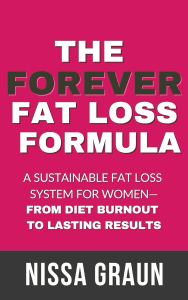
Nissa Graun is a certified health coach who focuses on digestion-first strategies to support sustainable fat loss and digestive health. After losing over 100 pounds while navigating her own digestive challenges, she now helps women improve bile flow, stomach acid function, and overall gut health through practical, whole-food approaches. She is the author of The Forever Fat Loss Formula. Her work focuses on practical digestion protocols for women over 40.
Let's Connect!


Leave a Reply