One of the biggest misconceptions in digestive health is the belief that symptoms like acid reflux, abdominal pain, or a burning sensation automatically mean you have too much stomach acid, when in reality they are often symptoms of low stomach acid.
In fact, this assumption is so widespread that it shapes how digestive issues are discussed in advertising, clinical settings, and even online health content, leaving many people confused about which approaches actually address the underlying cause of their symptoms.
The truth is that many symptoms commonly blamed on high stomach acid are more often linked to low stomach acid levels instead. When there isn’t enough acid to digest food properly, the digestive system responds in ways that feel identical to excess acid—leading to frequent misinterpretation, misdiagnosis, and long-term digestive problems.
This article focuses specifically on why symptoms of low stomach acid are misunderstood, how that confusion develops, and what patterns tend to lead people down the wrong path before the underlying cause is ever addressed.

Disclaimer: This article is for educational purposes only and does not replace medical advice. Always consult a qualified healthcare provider for diagnosis or treatment decisions. I’m not a doctor. I’m a health coach who lost over 100 pounds while improving my own digestive health using the same natural methods I teach on my website and YouTube channel.
This article contains affiliate links. I only recommend products I personally use and trust.
The Core Confusion: Sensation vs. Cause
Your digestive tract doesn’t interpret symptoms based on laboratory values or a pH scale. It responds to pressure, irritation, and disruption, not to the amount of acid alone.
When digestion is working properly, gastric acid secretion releases enough hydrochloric acid to break food down into amino acids, activate digestive enzymes, and move stomach contents smoothly into the small intestine. The lower esophageal sphincter (LES) opens and closes at the right times, protecting the esophagus from reflux.
When there’s little stomach acid, that sequence breaks.
This means food isn’t digested efficiently, allowing undigested food to remain in the stomach too long. Gas then builds from fermentation, pressure increases, and eventually stomach contents are pushed upward. This can create reflux-like symptoms—even though the amount of acid is actually low.
The sensation feels the same, but the cause is completely different.
Why Acid Reflux Doesn’t Automatically Mean Excess Acid
Acid reflux and gastroesophageal reflux disease (GERD) are often treated as proof of high stomach acid. But reflux isn’t defined by how much stomach acid is present—it’s defined by where stomach contents move.
When digestion slows due to low stomach acid production:
-
Food remains undigested
-
Pressure builds in the stomach
-
The lower esophageal sphincter is forced open
-
Acidic gastric juice moves upward
This is why people with low acid symptoms often experience reflux after meals, especially protein-heavy meals. The issue isn’t too much acid—it’s not enough acid to digest food properly in the first place.
The Temporary Relief Trap
Most people who experience recurring symptoms like heartburn, acid reflux, or bloating seek guidance from a healthcare provider. And in many cases, medications such as proton pump inhibitors (PPIs), H2 blockers, or antacids do provide short-term symptom relief.
That temporary relief often reinforces the belief that excess stomach acid must be the problem. However, symptom improvement alone does not confirm the underlying cause of digestive dysfunction.
While suppressing acid can reduce the burning sensation by lowering acidity in the stomach and esophagus, it also reduces gastric acid secretion, which can weaken digestion over the long term. When stomach acid is too low, food isn’t broken down efficiently, leading to more undigested food, increased fermentation, and rising pressure within the stomach.
This is one reason reflux symptoms may return—or worsen—after prolonged use of acid-suppressing medications. Over time, the digestive system can become less capable of digesting food properly, increasing gas, pressure, and digestive discomfort.
Although many of these medications are intended for short-term use, some people remain on them long term. In these cases, reduced acid exposure may dull the burning sensation even while digestive function remains impaired. As a result, reflux can continue without obvious discomfort, making it harder to recognize that digestive irritation may still be occurring.
Why Digestive Enzymes Alone Don’t Solve the Problem
Digestive enzymes are often recommended when people experience bloating, gas, or abdominal pain. While enzymes can support digestion temporarily, they do not replace adequate stomach acid.
That’s because without enough acid:
-
Enzymes may not be properly activated
-
Protein digestion can remain incomplete
-
Food may enter the small intestine poorly prepared
Over time, this can contribute to digestive imbalances, including small intestinal bacterial overgrowth (SIBO) and the survival of harmful bacteria, even when enzymes are used.
This is a common misstep in digestive health: addressing downstream digestive symptoms without supporting the first step in digestion, which is adequate stomach acid production.
While some digestive enzyme formulas include small amounts of hydrochloric acid or Betaine HCL, these amounts are generally intended as a mild support rather than a full replacement for low stomach acid.
*Linked supplements are products I personally use and trust.
How Low Stomach Acid Symptoms Mimic IBS and Food Intolerance
Another reason low stomach acid symptoms are misinterpreted is because they overlap heavily with irritable bowel syndrome (IBS) and food intolerance.
When undigested food enters the small intestine:
-
It can feed harmful bacteria
-
Fermentation increases
-
Gas and bloating worsen
-
Abdominal pain becomes more frequent
Over time, this pattern can lead to digestive problems that resemble IBS, even though the underlying cause is impaired stomach acid production.
As a result of misunderstanding or misdiagnosis, people may begin eliminating foods, blaming specific ingredients, or cycling through restrictive diets—without ever addressing the digestive issue at the top of the GI tract.
This can contribute to nutrient deficiencies over time for two main reasons. First, inadequate stomach acid impairs the breakdown of food into absorbable nutrients. Second, many people avoid nutrient-dense foods they believe are triggering symptoms, further limiting nutrient intake.
That’s why it’s important to look for the root cause of symptoms rather than relying solely on medications that focus on symptom relief.
The Role of Harmful Bacteria and Infection
Adequate stomach acid plays an important role in protecting the digestive system from bacterial infection. It acts as a barrier, killing harmful bacteria before they reach the intestines.
This is important since when stomach acid is low:
-
Harmful bacteria survive
-
Food poisoning becomes more likely
-
Helicobacter pylori infection (h. pylori) risk increases
-
Small intestinal bacterial overgrowth (SIBO) becomes more common
Both h. pylori infection and other types of bacteria can further damage the stomach lining, suppress acid production, and disrupt immune response—creating a vicious cycle.
When stomach acid remains low, this cycle can continue unchecked, increasing the risk of ongoing digestive issues, repeated infections, and declining gut health over time.
Why Testing Often Misses Low Stomach Acid
Low stomach acid is rarely evaluated directly. In many cases, healthcare providers rely on symptom patterns, response to medication, or imaging studies—none of which measure stomach acid levels themselves.
When low stomach acid is suspected, a healthcare provider may consider testing options such as:
-
Gastric pH testing
-
Blood tests that show nutrient deficiencies
-
Testing for Helicobacter pylori
-
Assessment for autoimmune conditions such as autoimmune gastritis or atrophic gastritis
At-home methods like the baking soda test (using sodium bicarbonate) attempt to estimate stomach acid by observing carbon dioxide release from a chemical reaction. However, these methods are not diagnostic and should be interpreted cautiously.
Because direct testing is limited, some people seek support from a qualified health coach when they experience persistent digestive symptoms such as reflux after meals, bloating, chronic constipation, or difficulty digesting protein—especially when standard approaches haven’t helped. This approach focuses on symptom patterns, digestive history, and overall digestive function rather than self-diagnosis.
As a result of limited testing options, many people are treated for reflux or irritable bowel syndrome without ever confirming whether enough stomach acid is being produced—making it difficult to address the true root cause of their digestive symptoms.
Risk Factors That Increase Misinterpretation
Certain risk factors make low stomach acid production more likely—and misdiagnosis more common. These include:
-
Chronic stress, which can suppress gastric acid secretion
-
Poor diet or long-term restrictive dieting
-
Aging and reduced parietal cell function (the stomach lining cells that produce acid)
-
Thyroid hormone imbalance
-
Autoimmune disease, including autoimmune gastritis
-
Long-term proton pump inhibitor (PPI) use
-
History of stomach surgery
In more advanced cases, conditions such as atrophic gastritis can significantly reduce stomach acid production—or, in rare situations, lead to a complete loss of stomach acid production—raising the risk of nutrient deficiencies, pernicious anemia, and gastric cancer.
Why Symptoms Improve Briefly—Then Get Worse
Many people notice temporary symptom improvement with acid-suppressing medications, apple cider vinegar, or digestive bitters. This can add to the confusion since these approaches may change symptoms in the short term without addressing the underlying digestive imbalance.
That’s because short-term changes may:
-
Reduce irritation
-
Temporarily alter stomach pH levels
-
Shift fermentation patterns
However, when low stomach acid production itself is not addressed, symptoms may return or gradually worsen over time.
This cycle can lead people to believe their digestive issues are chronic, unexplained, or untreatable. In reality, for some individuals, longer-term improvement may occur once the underlying cause is properly identified and addressed rather than continued focus on symptom management alone.
Why “Too Much Acid” Became the Default Explanation
From a clinical standpoint, it’s often easier to treat symptoms than to evaluate digestive order. Acid reflux, abdominal pain, and burning sensations are visible and uncomfortable, while low stomach acid is not. Low gastric acid doesn’t produce an obvious or easily measurable signal in routine care.
Since true excess acid conditions—such as Zollinger–Ellison syndrome—are rare, most reflux cases aren’t driven by high stomach acid. Still, symptom-based treatment approaches and widespread medication marketing have reinforced the idea that acid itself is the problem, even when digestion is actually underperforming upstream.
Reframing Symptoms of Low Stomach Acid Through a Root-Cause Lens
Within a Kick It Naturally framework, symptoms are viewed as signals, not diagnoses.
Instead of asking questions like:
“What condition do I have?” or “Which medications provide quick relief?”
The better question is:
“What step in digestion isn’t working properly?”
Low stomach acid is often one of the first steps in digestion that can break down. When it does, the entire digestive system—everything from the stomach lining to the small intestine, immune system, and gut health—all feel the impact.
When Medical Evaluation Is Essential
Because low stomach acid symptoms can overlap with more serious conditions, medical evaluation is important. A healthcare provider should be involved when symptoms are persistent, severe, or worsening.
Medical tests may be necessary to help rule out conditions such as:
-
Stomach ulcers
-
Autoimmune gastritis
-
Gastric cancer
-
Chronic bacterial infection
-
Significant nutritional deficiencies
While supporting digestion with natural supplements may be helpful for some people, it should never replace appropriate medical care. The goal is informed evaluation and understanding—not guesswork.
Final Thoughts: Symptoms of Low Stomach Acid
Low stomach acid symptoms are often treated as high stomach acid because the sensations can feel similar. However, addressing symptoms without understanding the underlying cause may contribute to ongoing digestive issues, poor digestion, nutrient deficiencies, and declining digestive health over time.
When digestion improves at the top of the GI tract, downstream digestive processes often function more effectively.
If you want to understand what low stomach acid can feel like in daily life, start with the symptoms reference guide. If you’re looking for a broader explanation—including causes, testing, and how digestion works together—visit the stomach acid explainer hub. Both articles are linked below.
Understanding the difference between sensation and cause is often the first step toward meaningful digestive clarity.
Further Reading
About the Author
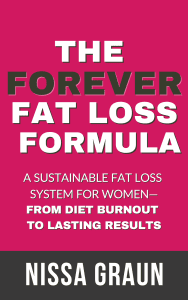
Nissa Graun is a health coach who helps women improve digestion and build sustainable fat loss habits without extreme dieting. After losing over 100 pounds while navigating her own digestive challenges, she focuses on whole food-first strategies that support bile flow, stomach acid, and gut health naturally. She is the author of The Forever Fat Loss Formula, which teaches women how to eat more, train smarter, and improve digestion for long-term results.


Leave a Reply