Most people think symptoms of poor digestion show up suddenly—intense abdominal pain, severe bloating, acid reflux, or an official diagnosis like irritable bowel syndrome or gastroesophageal reflux disease.
But in real life, digestion usually doesn’t break overnight. First, it slows.
Long before someone develops chronic constipation, excessive gas, or you’re told that you have a digestive disorder, your digestive system often sends quieter signals that something isn’t working as efficiently as it should.
Understanding the early symptoms of poor digestion can help you recognize issues sooner so that you can make supportive lifestyle changes, and protect your overall health before more troublesome symptoms interfere with daily life.
This article focuses on those early signs—not diagnosis—and explains what may be happening inside your gastrointestinal tract when digestion begins to slow.

Disclaimer: This article is for educational purposes only and does not replace medical advice. Always consult a qualified healthcare provider for diagnosis or treatment decisions. I’m not a doctor—I’m a health coach who lost over 100 pounds while improving my own digestive health using the same natural methods I teach on my website and YouTube channel.
This article contains affiliate links. I only recommend products I personally use and trust.
What “Poor Digestion” Really Means
Poor digestion doesn’t automatically mean a digestive disease or serious medical condition.
In many cases, it reflects how well the digestive system is functioning, which includes:
-
Stomach acid production
-
Digestive enzyme activity
-
Gut motility through the small intestine and large intestine
-
Balance of gut bacteria in the gut microbiome
-
Nervous system signaling between the brain and the GI tract
When these processes slow down or fall out of sync, digestive symptoms can appear—even if medical tests are normal, or don’t yet point to a specific diagnosis.
That’s why many people experience digestive distress despite being told nothing is “wrong.”
Early Symptoms of Poor Digestion Most People Miss
The following early symptoms are often subtle and easy to brush off—especially since they tend to show up after eating, instead of being present most of the time.
1. Feeling Uncomfortably Full After A Meal
One of the most common early symptoms of poor digestion is feeling overly full, heavy, or uncomfortable after eating—especially after a large meal.
This can happen when:
-
Food lingers too long in the stomach
-
Digestive enzymes aren’t breaking food down efficiently
Over time, this may contribute to upset stomach, stomach pain, or a burning sensation that resembles acid reflux.
2. Excess Gas or Bloating That Builds Over the Day
While occasional gas is normal, chronic excess gas is not. This is especially true if gas is foul-smelling or you experience uncomfortable bloating since this may suggest food isn’t being fully digested before reaching the small or large intestine.
Undigested food can ferment, feeding certain gut bacteria and disrupting the balance of bacteria in the gastrointestinal system.
This is commonly seen in people with:
-
Poor gut health
-
Food intolerances
-
Lactose intolerance
-
Sensitivity to artificial sweeteners or particular foods
When this pattern repeats day after day, it often points to digestion that’s slowing rather than a one-off food reaction.
3. Irregular Bowel Movements or Chronic Constipation
Changes in bowel habits are one of the clearest early signs that digestion is slowing—even when there’s no pain or obvious digestive distress. Healthy digestion supports regular bowel movements.
Early signs digestion is slowing include:
-
Skipping days between bowel movements
-
Feeling incomplete elimination
-
Alternating between constipation and loose stools
Slow movement through the GI tract can affect nutrient absorption, blood sugar levels, and overall energy—even before more severe symptoms develop.
4. Fatigue After Eating or Chronic Fatigue
Digesting food requires coordination between the gastrointestinal system, nervous system, and immune system.
When digestion is inefficient:
-
The body works harder to process meals
-
Blood flow may shift excessively toward digestion
-
Energy production may suffer
Many people with early digestive issues notice fatigue after meals or ongoing low energy that impacts quality of life.
When fatigue consistently follows meals, it’s often a sign that digestion is demanding more energy than it should—long before more obvious digestive symptoms appear.
5. Increased Sensitivity to Foods You Used to Tolerate
Developing reactions to dairy products, spicy food, fatty acids, or fiber-rich foods can be a sign digestion is becoming less resilient.
While this doesn’t automatically point to conditions like celiac disease, inflammatory bowel disease, Crohn’s disease, or ulcerative colitis—it can signal that digestive capacity is reduced.
Food intolerances often reflect function, not permanent damage.
When foods that once felt fine start causing discomfort, it’s often because digestion has less capacity to handle them—not because those foods suddenly became “bad.”
6. Mild Skin Irritation or Changes in Mental Health
The gut microbiome can play a role in immune system regulation and mental health.
When digestion is compromised, some people notice:
-
Skin irritation
-
Changes in mood
-
Increased anxiety during stressful situations
While these symptoms may feel unrelated, they’re often connected to an unhealthy gut and altered gut bacteria activity.
These changes often appear early because the gut communicates constantly with the immune and nervous systems, even before digestive symptoms feel severe.
7. Digestive Discomfort That Comes and Goes
Early digestive symptoms are often inconsistent. You might feel fine one day and uncomfortable the next, especially during periods of chronic stress, poor sleep, or reduced physical activity.
When digestion is under strain, it often fluctuates rather than failing consistently, which is why symptoms can feel unpredictable at first.
This kind of on-and-off discomfort is commonly seen in functional digestive patterns, such as functional dyspepsia or early small intestinal bacterial overgrowth—long before serious conditions are diagnosed.
Taken together, these patterns are often early signals that the digestive system is under strain—even before more obvious or persistent symptoms develop.
Why Early Digestive Symptoms Matter
Ignoring early symptoms of poor digestion doesn’t make them disappear. And ignoring them too long can even result in them getting worse for some people.
That’s because over time, slowed digestion can contribute to:
-
Worsening acid reflux
-
Poor nutrient absorption
-
Unexpected weight loss or difficulty maintaining weight
-
Increased digestive problems
-
Lower quality of life
While this doesn’t mean early symptoms automatically lead to serious disease—it does mean they shouldn’t be ignored indefinitely.
In some cases, persistent symptoms require medical attention to rule out digestive diseases, autoimmune conditions, peptic ulcers, colorectal cancer, colon cancer, or other serious conditions.
Early awareness supports better conversations with healthcare providers and medical professionals if symptoms progress.
When to Seek Medical Care for Poor Digestive Symptoms
This article is only for educational purposes and does not replace medical advice.
Seek medical attention if digestive symptoms are severe, persistent, or include unexplained weight loss, ongoing abdominal pain, blood in stool, or symptoms that interfere with daily life. These may require evaluation by a healthcare provider.
Supporting Healthy Digestion Early
When digestive symptoms are caught early, simple daily habits can often make a meaningful difference in how well digestion functions over time.
While treatment options depend on the underlying cause, many people benefit from simple, supportive habits that promote good digestion:
-
Eating smaller, balanced meals
-
Prioritizing proper sleep
-
Managing stress levels and chronic stress
-
Supporting vagus nerve signaling
-
Choosing whole grains and right foods for tolerance
-
Limiting artificial sweeteners
-
Staying physically active
-
Supporting stomach acid and digestive enzymes when appropriate
For some people, targeted digestive support may be helpful alongside lifestyle changes. This can include digestive enzymes or stomach acid support, depending on individual needs. These tools are not required and work best when digestion habits are addressed first.
Scientific evidence consistently shows that lifestyle changes can positively influence digestive health, gut bacteria balance, and long-term overall health.
Final Thoughts: Early Symptoms of Poor Digestion
Early symptoms of poor digestion are often subtle—but they can be meaningful.
Listening to these common signs allows you to support healthy digestion early—before digestive distress becomes a chronic issue or begins to interfere with daily life.
Digestion isn’t just about avoiding symptoms.
It’s about supporting the entire digestive tract so your body can absorb nutrients, regulate the immune system, and function at its best.
Paying attention early is a good idea—and often the best way to protect long-term digestive health.
About the Author
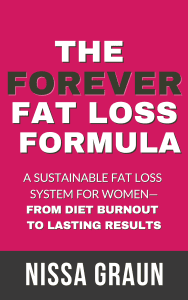
Nissa Graun is a certified health coach who helps women improve digestion and build sustainable fat loss habits without extreme dieting. After losing over 100 pounds while navigating her own digestive challenges, she focuses on whole food-first strategies that support bile flow, stomach acid, and gut health naturally. She is the author of The Forever Fat Loss Formula. This book teaches women how to eat more, train smarter, and improve digestion for long-term results.


Leave a Reply