Have you ever wondered why you feel tired after eating, like someone suddenly pulled the plug on your energy?
Your eyes get heavy, your focus disappears, and you feel an overwhelming need to sit, lie down, or even take a nap.
This experience is so common that it even has a medical term: postprandial somnolence—often called a food coma or post-meal slump.
Most articles explain feeling tired after eating as a normal process related to blood sugar levels, large meals, or your circadian rhythm. And while those can play a role, they rarely explain what’s actually happening inside your digestive system—which is likely the real cause of feeling sleepy after meals for many people.
For most, feeling tired after eating isn’t just about glucose levels—it’s a clue.
In many cases, digestion is demanding far more energy than it should.
In this article, you’ll learn how digestion, stomach acid, bile flow, gut motility, and your nervous system all play a role in post-meal fatigue—and what you can do to support your body so meals leave you energized instead of exhausted.

Disclaimer: This article is for educational purposes only and does not replace medical advice. Always consult a qualified healthcare provider for diagnosis or treatment decisions. I’m not a doctor—I’m a health coach who lost over 100 pounds while improving my own digestive health using the same natural methods I teach on my website and YouTube channel.
Affiliate Disclosure: This article contains affiliate links. I only recommend products I personally use and trust.
What “Post-Meal Fatigue” Really Means
Post-meal fatigue, postprandial fatigue, post-meal drowsiness, and post-meal sleepiness all describe the same common phenomenon: a noticeable drop in energy levels after eating.
Mild tiredness after a very large meal can be a normal process. That’s because blood flow shifts toward the gastrointestinal tract, your body releases insulin as blood sugar rises, and your body’s internal clock may contribute to the familiar post-lunch dip or afternoon slump.
But extreme fatigue after eating, especially after average-sized meals or particular foods, isn’t simply about portion sizes or time of day.
It often means your digestive system is working far harder than it should to process your meal.
And that extra effort pulls energy away from the rest of your body.
Digestion Is An Energy-Intensive Task
Most people believe you simply eat and then your body effortlessly digests what you ate. In reality, digestion is one of the most energy-intensive processes your body performs.
Breaking down protein-rich foods, healthy fats, complex carbohydrates, and different foods into usable nutrients requires coordination between:
-
Digestive enzymes
-
Bile flow
-
Proper gut motility
-
A calm nervous system
Each of these steps requires oxygen, blood flow, and metabolic energy. When digestion is efficient, you never notice this happening. Food is broken down smoothly and becomes a reliable source of energy for the rest of your body.
But when even one part of this process isn’t working well, digestion stops being efficient and starts becoming demanding.
Instead of food becoming a smooth source of energy, your body diverts a large amount of energy just to manage the meal. Blood flow is prioritized to the gastrointestinal tract, and the rest of your body temporarily receives less.
That’s when you feel:
-
Daytime sleepiness
-
Feelings of fatigue
-
Post-meal tiredness
-
Postprandial sleepiness
-
The need for a short nap or bright light to stay awake
For many people, this isn’t a sign you ate too much. It’s a sign your digestive system had to work too hard.
The Role of Your Nervous System: Rest and Digest vs. Fight or Flight
Your digestive system only works well in rest and digest mode.
If you eat while stressed, rushed, distracted, or under the influence of stress hormone from poor sleep, caffeine, or daily pressure, your body stays partially in fight or flight.
In this state:
-
Blood flow favors muscles, not digestion
-
Stomach acid production drops
-
Motility slows
-
The gut microbiome environment changes
Food sits longer than it should in the gastrointestinal tract, requiring more effort to break down.
When digestion happens in this stressed state, your body has to work much harder to process the same meal. That extra effort pulls energy away from the rest of your body, which is why you feel noticeably tired after eating.
The result? Post-meal slump, fatigue after meals, and post-meal sleepiness.
This is why a short walk, a glass of water, or simply slowing down before a meal can dramatically change how you feel afterward.
Low Stomach Acid: Why You’re Tired After Eating Protein-Rich Meals
Protein digestion begins in the stomach, where adequate stomach acid is required to properly break down protein-rich foods and prepare fats for digestion downstream.
If stomach acid is low, protein-rich foods and high-fat foods take much longer to break down. Larger food particles move into the small intestine, where even more digestive effort is required to finish the job.
When this happens, digestion becomes inefficient and energy-demanding. Your body has to work much harder than it should to process the same meal, which often leads to noticeable fatigue after eating.
This extra digestive effort commonly leads to:
-
Feeling tired after eating
-
Bloating
-
Heavy feeling after a big meal
-
Post-meal drowsiness
-
Fatigue and weakness after eating
Many people assume they need less food when this happens. But often, the issue isn’t how much food—it’s how well it’s being digested.
Some people choose to explore stomach acid support when protein-rich meals consistently lead to this heavy, tired feeling after eating.
Bile Flow, Fat Digestion, and the “Heavy Meal” Crash
Healthy fats are an excellent source of energy when digestion is working properly—but bile is required to break fats down efficiently.
When bile flow is sluggish, high-fat meals—or even balanced meals with smaller amounts of healthy fats—can start to feel like a heavy meal. Fat digestion slows, and your body must work much harder to process the same foods.
That extra digestive effort pulls energy away from the rest of your body, which is why you may feel extreme fatigue after eating meals that contain more fat.
This is a common reason people feel tired after eating foods like:
-
Steak
-
Eggs
-
Avocado
-
High-fat meals
-
Larger portions of fatty foods
It’s not the fat causing the crash. It’s the extra digestive demand created by poor bile flow.
Many of my clients choose to support bile flow when this pattern occurs regularly, especially if high-fat meals consistently lead to fatigue, especially when meals that contain healthy fats consistently leave them feeling unusually tired afterward.
Gut Motility and Food Sitting Too Long
Proper motility moves food smoothly through the digestive tract.
When motility is slow:
-
Food sits in the stomach longer
-
Fermentation can occur
-
Gas and pressure build
-
More energy is required for digestion
When food remains in the digestive tract longer than it should, your body has to work much harder to move it along and break it down. That extra effort pulls energy away from the rest of your body, which is why slow motility often shows up as fatigue after eating.
In these situations, some people find that supporting digestion at mealtime makes meals feel noticeably easier to handle while they work on improving motility over time.
This contributes to postprandial fatigue, especially after large meals, fast food, or high-carbohydrate foods like white bread and sugary drinks.
Blood Sugar, Insulin Resistance, and Why This Isn’t Just a “Glucose Problem”
Yes, blood sugar levels and insulin sensitivity still matter.
High glycemic index foods, sugary drinks, white bread, and high-carb meals can cause blood sugar rises followed by low blood sugar, contributing to post-meal tiredness.
But here’s what’s often missed: Poor digestion makes blood sugar regulation worse.
When digestion is inefficient, your body has to work harder to both process your meal and manage shifting glucose levels at the same time. That combined demand is a common reason people feel unusually tired after eating.
When food isn’t broken down properly, glucose levels fluctuate more dramatically, which can mimic signs of diabetes or insulin resistance.
Improving digestion often stabilizes energy levels without extreme diet changes.
Why Portion Sizes and Types of Foods Matter
You may notice you feel worse after:
-
Larger portions
-
Heavy meals
-
Particular food combinations
-
Alcohol intake
-
Fast food
This isn’t random. These meals require significantly more digestive effort than lighter, simpler meals.
Larger portions mean more food for your stomach to break down, more fat for bile to process, more protein for stomach acid to handle, and more material for the digestive tract to move along. Alcohol and highly processed foods can further slow digestion and irritate the gastrointestinal tract, adding to the workload.
When digestion is already inefficient, these meals push your system past what it can comfortably handle. Your body has to divert even more energy toward digestion, which is why you feel noticeably tired after eating them.
Smaller meals, smaller portions, lean protein, whole grains, non-starchy vegetables, and a balanced diet often feel easier not because they’re automatically “healthier,” but because they’re easier for your current digestive capacity to manage.
That’s a clue, not the solution.
When to Consider an Underlying Issue
In some cases, feeling tired after eating may be connected to factors outside the digestive system.
Occasionally, post-meal sleepiness can be related to:
-
Sleep disorders like sleep apnea
-
Poor sleep quality or not enough sleep
-
Celiac disease or other medical conditions
-
Chronic fatigue
-
Another underlying health problem
If fatigue is severe, persistent, or affecting daily life, a blood test and a conversation with a healthcare provider or registered dietitian is a good idea.
But for many people, especially when fatigue happens specifically after meals, this is more often a digestive efficiency issue than a medical condition.
Practical Ways to Reduce Post-Meal Fatigue
If feeling tired after eating is often a sign that digestion is working harder than it should, the goal isn’t to eat less food—it’s to make digestion easier for your body.
These simple lifestyle choices support digestion and help preserve your energy after meals:
-
Eat in a calm environment. Digestion works best in rest-and-digest mode, not while stressed or distracted.
-
Take a short walk after meals. Gentle movement supports gut motility and helps food move through the digestive tract more efficiently.
-
Drink a glass of water before eating. Hydration supports stomach acid, enzyme activity, and overall digestive function.
-
Avoid eating under bright light and high stress. Your nervous system strongly influences how well digestion works.
-
Focus on protein-rich foods and complex carbohydrates. These provide steady energy without overwhelming digestion when eaten in reasonable portions.
-
Avoid very large meals and overdoing high-carbohydrate foods. These require more digestive effort and are more likely to trigger a post-meal slump.
-
Support quality sleep and your circadian rhythm. Poor sleep raises stress hormones that interfere with digestion the next day.
The good news is that when digestion becomes more efficient, many people notice their daytime tiredness and post-meal sleepiness improve faster than they expect.
Final Thoughts: Feeling Tired After Eating
Feeling tired after eating is often treated as a common occurrence, a normal process, or simply the post-lunch slump. But when this happens regularly, it’s a sign that digestion is demanding too much from your body.
Food should be a source of energy. If meals consistently leave you with less energy, your digestive system is asking for support.
Once digestion improves, energy levels often improve with it—without extreme diets, continuous glucose monitors, or complicated tracking.
When your body no longer has to work overtime to digest your meals, you’ll notice that food starts to feel energizing again instead of exhausting.
About the Author
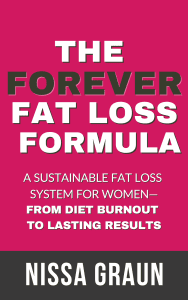
Nissa Graun is a certified health coach who helps women improve digestion and build sustainable fat loss habits without extreme dieting. After losing over 100 pounds while navigating her own digestive challenges, she focuses on whole food-first strategies that support bile flow, stomach acid, and gut health naturally. She is the author of The Forever Fat Loss Formula. This book teaches women how to eat more, train smarter, and improve digestion for long-term results.


Leave a Reply