Have you ever wondered what are digestive enzymes? You can think of them as the “tools” your body uses to break food down into smaller parts so you can actually absorb and use the nutrients.
Digestion is about far more than what you eat. It’s about whether your body can process food efficiently enough to support energy, strength, and long-term gut health.
Digestive enzymes help drive chemical reactions that turn large food molecules into small molecules your body can absorb. This matters because nutrient absorption is how you get usable building blocks—like amino acids from protein, fatty acids from fat, and glucose from complex carbohydrates—all of which are essential for a healthy body, a healthy gut microbiome, and overall health.
Enzymes play a key role in the later stages of digestion, especially after stomach acid and bile have done their part to prepare food for breakdown. When earlier steps feel off—such as poor fat tolerance, floating stool, or food sitting heavily after meals—enzyme support is often part of the conversation, but not always the starting point.
This article is written from a Kick It Naturally–aligned perspective where digestive enzymes can be helpful—but they’re not always the first lever to pull when it comes to improving digestion.
In many cases, supporting hydrochloric acid (stomach acid), bile flow, and the overall digestive process comes first. Digestive enzymes are only one piece of a coordinated system that takes place across different parts of your digestive system, each relying on the others to function properly.
If you’re already wondering whether digestive enzymes are actually effective—or just another supplement trend—I break that down here: Do Digestive Enzymes Work?

The stomach and pancreas play key roles in digestion and enzyme production.
Disclaimer: This article is for educational purposes only and does not replace medical advice. Always consult a qualified healthcare provider for diagnosis or treatment decisions. I’m not a doctor—I’m a health coach who lost over 100 pounds while improving my own digestive health using the same natural methods I teach on my website and YouTube channel.
This article contains affiliate links. I only recommend products I personally use and trust.
Where Digestive Enzymes Are Found in the Body
Digestive enzymes are proteins with a specific active site that helps speed up digestion. In plain English, they’re specialized tools that break food down into smaller parts at different points in digestion.
Enzymes are active in various areas of your digestive system, including your:
- Mouth (saliva), where digestion begins
- Stomach, where hydrochloric acid helps activate digestion
- Small intestine, where most breakdown and nutrient absorption occur
- Pancreas, which produces key enzymes for the intestinal phase
Together, these organs make up the digestive tract and gastrointestinal tract. They work as a coordinated system to support healthy digestion and long-term gut health.
Because each organ plays a different role, digestive symptoms can look similar even when the underlying cause is different. For example, stomach acid helps break down and prepare food for the next stages of digestion, bile flow supports fat digestion, and enzymes finish the breakdown process so nutrients can be absorbed.
When one step lags behind, people may notice signs like bloating, floating stool, or food feeling slow to move after meals.
The Most Important Digestive Enzymes (and What They Do)
There are different enzymes for different jobs. A variety of enzymes matters since meals are made up of different nutrients.
Here are the most important digestive enzymes and the purpose they serve. These enzymes work at different points in the digestive process to support nutrient absorption:
- Amylase: breaks carbohydrates into sugars
- Lipase (including pancreatic lipase): breaks fats into fatty acids
- Protease: protein-digesting enzymes that break protein into amino acids
- Lactase (enzyme lactase): helps break down lactose in dairy products
Because fat and protein require more coordination across digestion, enzymes like lipase and protease often come up when people notice symptoms after higher-fat or higher-protein meals. These nutrients rely on earlier steps—like stomach acid and bile flow—to prepare food so enzymes can finish the job.
If you deal with lactose intolerance, some people use lactase supplements before eating dairy products. This can be especially helpful if milk, ice cream, or certain dairy products trigger digestive symptoms.
Others may choose a broader-spectrum digestive enzyme formula, which we’ll discuss shortly. First, let’s talk about why nutrient absorption is so important.
What Happens in the Small Intestine (Why Nutrient Absorption Matters)
Most people don’t realize that the small intestine is the “workhorse” of digestion. This is where your body absorbs vitamins, minerals, and macronutrients through the intestinal wall.
When digestion is working well, food is broken down into small particles so nutrient absorption can happen efficiently. When digestion isn’t working well, you may still be eating “healthy food,” but you may get less benefit because nutrient absorption is impaired.
That’s why improving nutrient absorption is a central focus in digestion coaching—it influences energy, recovery, cravings, skin, hair, and overall gut health.
Because this stage relies on earlier steps, challenges with stomach acid, bile flow, or enzyme output can all influence how well nutrients are absorbed. When coordination is off, people may notice symptoms like bloating after meals, floating stool, feeling full quickly, or food seeming to sit longer than expected.
(And yes—the small intestine comes up again and again because it plays such a central role in how people feel after meals.)
Signs You May Not Have Enough Digestive Enzymes
Even though the human body produces digestive enzymes naturally, there are situations where it may not produce enough digestive enzymes to properly support digestion.
When this happens, a lack of digestive enzymes can show up as:
- Bloating or gas after meals
- Abdominal cramping or abdominal pain
- Feeling heavy or tired after eating
- Food sensitivities, especially with dairy products
- Greasy stool
- Ongoing digestive symptoms
These signs don’t automatically mean enzyme deficiency. Many health issues and digestive disorders can create similar symptoms, including low stomach acid, impaired bile flow, and inflammation.
Since digestion works as a sequence, symptoms that look like enzyme issues sometimes begin earlier—such as food sitting in the stomach, feeling full quickly, or difficulty tolerating higher-fat meals.
Medical Conditions Where Supplemental Enzymes May Be Necessary
In some situations, enzyme challenges aren’t just functional—they’re medical.
Conditions that affect the pancreas or the small intestine can significantly impact enzyme production and nutrient absorption. Examples include chronic pancreatitis, cystic fibrosis, celiac disease, Crohn’s disease, and exocrine pancreatic insufficiency (EPI).
In these cases, a clinician may recommend pancreatic enzyme replacement therapy (PERT), which is different from over-the-counter digestive enzyme supplements.
If symptoms are severe, persistent, or accompanied by unexplained weight loss or nutritional concerns, it’s important to work with a healthcare provider to determine the best approach.
Do Digestive Enzyme Supplements Work?
For many people, digestive enzyme supplements can help reduce discomfort after meals—especially when used short term and strategically. But here’s the Kick It Naturally–aligned nuance: Digestive enzymes aren’t always the first step.
If low hydrochloric acid (HCL) or impaired bile flow is the real bottleneck, adding enzymes may help a little—but it won’t address the root cause. This is one reason people sometimes notice only partial improvement, especially when symptoms show up after higher-fat or higher-protein meals.
Some people notice a significant improvement quickly, while others don’t feel much difference at all.
It’s also important to note that side effects are possible. Some people experience digestive urgency, changes in bloating, or mild irritation. In rare cases, allergic reactions can occur depending on the raw materials used (for example, fungal-based enzymes). If you have ongoing symptoms or major health concerns, it’s best to talk with a healthcare provider before experimenting.
If you want my deeper breakdown—including when I would not use digestive enzyme supplements—read: Do Digestive Enzymes Work?
Below is the sequence I use when troubleshooting digestive symptoms.

Digestion works as a sequence. Stomach acid, bile flow, enzyme activity, and motility all influence how well food is broken down and absorbed.
“Order Of Operations” (Health Coach Perspective)
If someone comes to me with digestive symptoms, I don’t follow a one-size-fits-all approach. However, I do follow a general sequence that helps guide where to start:
- Stomach phase first (supporting stomach acid when appropriate so food is properly prepared for digestion)
- Bile and fat digestion (helping your body handle fats and absorb fat-soluble nutrients more comfortably)
- Enzyme support last, to help complete the breakdown process once earlier steps are working
This sequence helps protect long-term gut health while supporting better nutrient absorption, without stacking products that work against each other. It also explains why symptoms like bloating, floating stool, feeling full quickly, or food sitting heavily after meals don’t always point to the same starting place.
You’ll often see claims that probiotics are the answer to everything—and sometimes they do help—but if digestion upstream is weak, adding live microbes can backfire for some people.
I focus on building a healthy gut microbiome through foundations first: a varied diet, consistency, and support for digestion before layering additional tools.
My Go-To Digestive Enzyme
If you decide to test an enzyme product, I recommend starting conservatively with a broad-spectrum blend rather than stacking multiple supplements at once. I personally use Digesti-zyme because it contains a variety of enzymes designed to support different parts of digestion.
Check current pricing and ingredients for Digesti-Zyme here
When introducing any new enzyme supplement:
- Start low: Try it with your largest meal and observe how you feel
- Use it as support—not a crutch—while you continue working on the bigger digestion picture
Enzymes tend to work best when earlier digestion steps are already moving in the right direction, which is why I view them as a supportive layer rather than the starting point.
If you want to see the full digestive approach I used while improving my digestion and losing over 100 pounds, you can learn how to fix digestion naturally here.
Final Thoughts: What Are Digestive Enzymes?
So, what are digestive enzymes?
They’re tools that help your body break food down across the digestive tract—especially in the small intestine, where nutrient absorption really happens.
When enzyme support is needed, it can make meals feel easier to tolerate. But from a Kick It Naturally lens, the best results usually come from improving the entire digestion sequence (acid → bile → enzymes), rather than jumping straight to supplements.
Understanding where symptoms begin—whether in the stomach, fat digestion, or the later breakdown phase—helps guide the most effective next step.
Recommended Reading
About the Author
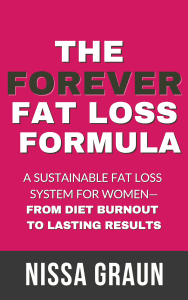
Nissa Graun is a health coach who helps women improve digestion and build sustainable fat loss habits without extreme dieting. After losing over 100 pounds while navigating her own digestive challenges, she focuses on whole food-first strategies that support bile flow, stomach acid, and gut health naturally. She is the author of The Forever Fat Loss Formula, which teaches women how to eat more, train smarter, and improve digestion for long-term results.


Leave a Reply