If you’ve ever rushed to the bathroom shortly after a meal, you’re not alone. Many people ask, “what causes diarrhea after eating?” when symptoms feel sudden or unpredictable.
Diarrhea after eating—sometimes called postprandial diarrhea—is a common digestive issue that can bring an urgent need for a bowel movement, loose stools, or even watery diarrhea within a short time after finishing a meal.
While causes can vary widely, the good news is that most cases aren’t dangerous. The key is understanding whether you’re dealing with acute diarrhea from a short-term illness—or a functional digestive imbalance that needs better support.
In this article, we’ll take a closer look at what causes diarrhea after eating, the most common symptoms to watch for, when medical attention may be necessary, and how to support your digestive system naturally.

Digestive discomfort after meals can signal how your digestive system is functioning.
Disclaimer: This article is for educational purposes only and does not replace medical advice. Always consult a qualified healthcare provider for diagnosis or treatment decisions. I’m not a doctor—I’m a health coach who lost over 100 pounds while improving my own digestive health using the same natural methods I teach on my website and YouTube channel.
This article contains affiliate links. I only recommend products I personally use and trust.
The Most Common Causes of Diarrhea After Eating
When people search “what causes diarrhea after eating,” they often worry about infections or serious conditions like inflammatory bowel disease (IBS).
In reality, the causes of diarrhea after eating typically fall into two broad categories:
-
Acute causes (short-term illness)
-
Functional digestive issues (how your digestive system is working)
Let’s break down both.
1. Acute Infections (Short-Term Causes)
Acute diarrhea often results from viral gastroenteritis (commonly called the stomach flu), foodborne illnesses, or bacterial infections such as E. coli.
These cases usually include additional symptoms like:
-
Fever
-
Abdominal cramping
-
Stomach pain
-
Nausea
-
Watery stools
-
Fatigue
Food poisoning or acute gastroenteritis typically develops quickly and may last a few days. (If nausea is also a major symptom, I cover that in more detail in my article on being sick after eating.)
In young children, older adults, or individuals with weakened immune systems, severe dehydration may require medical attention.
Most acute cases resolve with hydration, electrolyte support, and rest. Persistent diarrhea lasting more than several days—or accompanied by blood in the stool—should be evaluated by a healthcare provider.
2. Irritable Bowel Syndrome and Overactive Reflexes
One of the most common causes of frequent diarrhea after meals is irritable bowel syndrome (IBS).
In diarrhea-predominant IBS (IBS-D), the body’s normal “eat and move” reflex can become overly sensitive. After a meal, the digestive system may push things through too quickly, leading to loose stools and urgency.
In these cases, you may notice:
-
Loose stools shortly after eating
-
Abdominal pain
-
Urgent need to go
IBS is considered a functional disorder of the digestive system rather than a condition involving visible structural damage. While it doesn’t cause structural harm, symptoms can be persistent and disruptive.
Because this reflex is influenced by stress and gut signaling, nervous system balance often plays an important role.
3. Food Intolerances and Food Sensitivities
Food intolerances are another common culprit.
Unlike food allergies—which involve the immune system and can be severe—food intolerances usually trigger digestive symptoms such as watery diarrhea, bloating, abdominal cramping, or an upset stomach shortly after eating.
Common triggers include dairy products (lactose intolerance), artificial sweeteners or sugar alcohols, spicy foods, and high-sugar foods.
Keeping a food journal or trying a short-term elimination diet can help identify potential food triggers.
Chronic diarrhea accompanied by weight loss, persistent inflammation, or additional symptoms should be evaluated by a healthcare provider to rule out underlying inflammatory conditions.
Digestive Causes of Diarrhea After Eating That Get Overlooked
Not every case of diarrhea is caused by infection or inflammatory bowel disease. In fact, many cases stem from how well your digestive system is functioning in that moment. This is where a digestion-first perspective becomes especially helpful.
4. Fat Digestion and Bile Issues
If diarrhea happens particularly after fatty foods or greasy foods, this is a major clue.
Bile is released into the small intestine to help break down dietary fats during the digestive process. When bile flow is insufficient or poorly timed, fats may not digest properly. Instead, they move into the large intestine and can trigger loose stools or watery diarrhea.
This pattern may show up as:
-
Diarrhea after fatty meals
-
Oily or floating stools
-
Abdominal cramping
-
Urgent bowel movements
In some cases, this pattern is linked to bile acid malabsorption, gallbladder dysfunction, or changes after gastric bypass or gallbladder removal.
When fat digestion is compromised, the result isn’t always constipation—sometimes it’s the opposite.
From a digestive perspective, poor fat digestion is one of the most overlooked causes of diarrhea after eating.
Some people choose to support bile flow as part of a digestion-focused approach when fat digestion feels sluggish.
5. Gut Motility and Nervous System Imbalance
Your digestive system depends heavily on proper nervous system signaling.
When stress keeps your body in fight-or-flight mode, gut motility can speed up excessively or become poorly coordinated. This shortens transit time through the digestive tract and may lead to loose stools shortly after eating.
Chronic stress can also disrupt digestive enzyme activity and stomach acid production, contributing to incomplete digestion. This type of diarrhea is functional rather than structural—it reflects rhythm and coordination issues, not permanent damage.
6. Blood Sugar Fluctuations
Rapid shifts in blood sugar levels—especially after high-carbohydrate meals without adequate protein—can also affect digestion.
When blood sugar rises quickly and crashes, stress hormones such as cortisol and adrenaline increase. That shift can stimulate bowel activity and contribute to frequent diarrhea in some individuals.
Balanced meals that include protein, fiber, and healthy fats are often the most effective way to stabilize this pattern.
When Diarrhea After Eating Is More Serious
While most cases are functional or short-term, certain symptoms warrant medical evaluation.
Seek guidance from a healthcare provider if you experience:
-
Diarrhea lasting more than a few weeks
-
Unexplained weight loss
-
Severe abdominal pain
-
Blood in the stool
-
Signs of dehydration
-
Fever or additional symptoms that don’t improve
Inflammatory bowel disease (including Crohn’s disease and ulcerative colitis) and other underlying conditions require a proper diagnosis and treatment plan guided by medical professionals.
The goal is not panic—but clarity.
Digestion-First Support Strategies
If your symptoms are functional and not tied to a serious underlying condition, small, consistent adjustments often make a meaningful difference.
When working to improve digestion naturally, the goal is to improve how the digestive system functions step by step.
Helpful strategies include:
-
Eating smaller meals instead of large heavy meals
-
Chewing thoroughly to support the digestive process
-
Identifying potential food triggers
-
Reducing artificial sweeteners and sugar alcohols
-
Limiting greasy foods temporarily
-
Supporting balanced blood sugar levels
-
Managing stress to improve nervous system signaling
If diarrhea is coming from a short-term stomach bug or food poisoning, short-term approaches like hydration and simple foods (similar to a BRAT diet) may help temporarily.
However, if diarrhea keeps returning, the underlying cause is often related to digestive coordination, bile flow, or gut motility—not infection.
Because digestion is a step-by-step process, when one phase is rushed or under-supported, the next phase often compensates. That’s why looking at stomach acid production, bile release, gut motility, and nervous system balance together often provides more helpful insight than focusing on symptoms alone.
Final Thoughts: What Causes Diarrhea After Eating?
The causes of diarrhea after eating range from short-term stomach bugs and foodborne illness to irritable bowel syndrome, food intolerances, bile issues, and nervous system imbalance.
In many cases, the cause is functional—and responds well to foundational digestive support and lifestyle changes.
If symptoms are severe, persistent, or accompanied by red-flag signs, medical attention is important.
Otherwise, focusing on how your digestive system functions—rather than immediately assuming a serious disease—is often the most helpful first step.
When digestion works in rhythm, bowel movements tend to follow. That’s where lasting relief begins.
About the Author
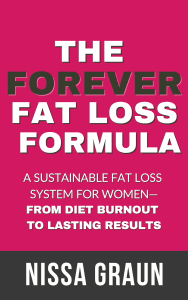
Nissa Graun is a certified health coach who focuses on digestion-first strategies to support sustainable fat loss and digestive health. After losing over 100 pounds while navigating her own digestive challenges, she now helps women improve bile flow, stomach acid function, and overall gut health through practical, whole-food approaches. She is the author of The Forever Fat Loss Formula.


Leave a Reply