If you’ve ever eaten a high-protein meal and felt heavy, bloated, or uncomfortably full afterward, you may have wondered where does protein digestion begin—and whether your body is actually breaking down what you eat properly.
Many people assume protein digestion happens mainly in the small intestine, where nutrients are absorbed. While absorption does occur there, the first and most critical step of protein digestion begins even earlier—inside the stomach, where digestion is initiated.
Understanding where protein digestion begins—and why that step matters—can help explain why protein sometimes feels hard to digest, even when you’re eating high-quality proteins or hitting your target grams of protein each day.

Disclaimer: This article is for educational purposes only and does not replace medical advice. Always consult a qualified healthcare provider for diagnosis or treatment decisions. I’m not a doctor—I’m a health coach who lost over 100 pounds while improving my own digestive health using the same natural methods I teach on my website and YouTube channel.
This article contains affiliate links. I only recommend products I personally use and trust.
Where Does Protein Digestion Begin?
Protein digestion begins in the stomach.
This first step, which is releasing stomach acid to break protein down into usable nutrients, sets the entire digestive process in motion. Without it, the rest of the gastrointestinal tract is forced to compensate—which can lead to unwanted digestive symptoms.
When dietary protein enters the stomach, it encounters an acidic environment created by hydrochloric acid and gastric juices. This acidity isn’t just for killing pathogens; it plays a crucial mechanical and chemical role in the digestion of protein.
Specifically, stomach acid:
-
Creates the acidic environment the stomach needs to start digestion
-
Helps open up protein molecules, making them easier to break apart
-
Turns large, tightly folded proteins into smaller, workable pieces
-
Activates enzymes that begin breaking protein down in a useful, controlled way
Without this step, protein chains remain too large and intact to be processed efficiently downstream.
Why Protein Requires a Stronger Digestive Environment
Protein is structurally complex. Unlike carbohydrate digestion—which begins in the mouth via the salivary glands—protein requires a much stronger digestive environment.
Proteins are made of long chains of amino acids that are connected by peptide bonds, which are sturdy.
As such, they require:
-
A digestive juice strong enough to loosen them
-
Powerful mechanical stomach contractions to physically break food down
-
Time spent in an acidic environment before moving forward in the digestive process
This is why protein digestion takes a longer time than carbohydrates—and why rushing or skipping this step creates problems later.
The Role of Mechanical Digestion in the Stomach

Mechanical digestion in the stomach involves churning and mixing food into smaller pieces before it moves to the small intestine.
Digestion isn’t just chemical—driven by stomach acid and enzymes—but it’s also mechanical, meaning the stomach physically squeezes and churns food to break it into smaller pieces.
Inside the stomach, powerful mechanical stomach contractions mash food into a uniform mixture. Think of the literal passage of a partially mashed egg: large egg pieces are mechanically broken down into smaller fragments while gastric juices begin chemical breakdown.
This mechanical digestion creates:
-
Smaller pieces
-
Mashed egg pieces
-
Protein aggregates broken into smaller protein fragments
-
A semi-liquid mixture ready for release into the small intestine
So while it’s true that your body can still break down protein even in a low-acid environment, without sufficient stomach acid, this mechanical breakdown is less effective—leading to partially digested protein moving forward too soon.
When protein moves forward before it’s properly broken down, it can help explain why some people experience bloating, heaviness, or discomfort after protein-rich meals.
What Happens After the Stomach?
Once proteins are partially digested, the stomach releases them in a controlled small intestine release.
At this point, digestion continues—but what happens next depends entirely on what happened upstream.
If protein wasn’t properly broken down in the stomach, the small intestine has to work harder to finish the job.
When protein is broken down properly in the stomach, this is what happens in the small intestine:
-
Major pancreatic enzymes continue the breakdown of the protein
-
Protein chains are split into smaller peptides and free amino acids
-
Muscle contractions of the small intestine mix contents in the intestinal lumen
-
Digested proteins reach absorption sites along the intestinal cells
By the time protein reaches the lower parts of the small intestine, most chemical breakdown has already occurred—if stomach digestion was adequate.
Where Protein Digestion Occurs vs. Where It Begins
Understanding where protein digestion begins—and where it continues in the digestive process—helps explain why digestion can feel off even when you’re doing “everything right.”
Here’s a quick timeline of where protein is actually digested:
-
Protein digestion begins in the stomach
-
It continues throughout the digestive tract
-
Then absorption of protein occurs primarily in the small intestine
Confusing these steps leads many people to focus on digestive enzymes or other supplements prematurely, while ignoring the first step entirely.
Within the Kick It Naturally framework, digestion always follows a specific path—acid first, enzymes second, absorption last. This means that jumping straight to digestive enzymes or probiotics may overlook the first stage of digestion, which is often where problems begin.
Low Stomach Acid and Protein Digestion Problems
When hydrochloric acid levels are insufficient, protein digestion begins to break down at the very first step. Because the stomach sets the stage for everything that follows, even small disruptions here can have noticeable downstream effects.
This can be problematic since low stomach acid can lead to:
-
Incomplete unfolding of proteins
-
Reduced activation of proteolytic enzymes
-
Larger protein fragments entering the small intestine
-
Slower digestion and bloating after a high-protein meal
-
Increased fermentation and gas
-
Poor absorption of protein despite eating enough grams of protein
This is why some people feel worse—not better—when increasing protein intake, especially when the first step of digestion isn’t working as efficiently as it should.
Protein Absorption and the Amino Acid Pool
Once proteins are broken down into free amino acids, they’re absorbed via active transport into intestinal cells and released into the circulatory system.
From there, amino acids enter a literal pool—often called the amino acid pool or cellular pool.
This pool supports:
-
Protein turnover
-
Creation of new proteins
-
Repair of body reserves
-
Muscle tissue maintenance
-
Enzyme and hormone production
-
Cellular energy molecule production (via adenosine triphosphate, or ATP)
If digestion is incomplete, amino acid levels can remain low—even when dietary intake is high—leading to difficulty maintaining muscle tissue, slower repair and recovery, reduced enzyme and hormone production, and lower overall metabolic efficiency.
What Happens to Undigested Protein?
When stomach acid is insufficient, protein may not be fully broken down during digestion. When this happens, partially digested protein can move forward through the digestive tract before it’s ready.
This can lead to several downstream effects, including:
-
Excess nitrogen may be converted into nitrogen-containing ammonia
-
Undigested protein may reach the large intestine
-
Bacterial fermentation increases
-
Gas, bloating, and discomfort worsen
-
Protein destruction shifts from useful digestion to irritation
This pattern is more commonly discussed in people who use proton pump inhibitors (PPIs) or other acid-reducing medications, since these lower stomach acidity and can interfere with normal protein digestion.
While you should never discontinue any medication without first speaking with your healthcare provider, learning more about stomach acid’s role in digestion can be a helpful educational step—especially for those who’ve used acid-reducing medications long term.
Protein Digestion Is Much More Than Enzymes
While digestive enzymes do play an important role in digestion—in the Kick It Naturally framework, they’re viewed as additional enzymes, not substitutes for stomach acid.
Digestive enzymes work best when:
-
Protein has already been unfolded
-
Peptide bonds are loosened
-
The acidic environment has done its job
Some people choose to use a broad-spectrum digestive enzyme as additional support once stomach digestion is addressed. I personally use Digesti-Zyme, which I’ve linked here for reference.
However, supplementing with digestive enzymes without addressing stomach acid is like trying to cut a rope that was never untied. In a proper digestion framework, stomach acid has to be sufficient to properly break protein down, while digestive enzymes provide backup support.
Protein Quality Still Matters
You may hear conflicting advice that protein quality doesn’t matter as long as you’re eating enough. But even with optimal digestion, the type of protein you choose can influence how easily your body breaks it down and uses it.
Good sources of protein generally include:
-
High-quality proteins
-
Enough complete proteins that contain essential amino acids
-
Whole food proteins that your body can break down efficiently
-
Protein that is naturally bioavailable
Higher-quality protein sources tend to break down more predictably during digestion, making it easier for the body to access the amino acids it needs for repair, maintenance, and normal metabolic function.
When most protein intake comes from highly processed or lower-quality sources, it can be harder for the body to extract the full range of nutrients and amino acids it needs—even when total protein intake appears adequate.
Protein Digestion and Whole-Body Health
There’s more to the story since proper digestion of protein affects far more than digestion alone.
Protein digestion also influences:
-
Maintaining muscle mass and strength
-
How the body stores and uses fat
-
How amino acids are delivered throughout the body
-
Repair and rebuilding of tissues
-
The body’s ability to replace old proteins with new ones
-
Overall metabolic efficiency
Your body doesn’t just need more grams of protein—it needs the ability to digest, absorb, and actually use it. That’s why understanding where protein digestion begins—and supporting that first step—matters far more than simply eating more protein.
Final Thoughts: Where Does Protein Digestion Begin
So, where does protein digestion begin? And why does low stomach acid matter when it comes to protein digestion?
Protein digestion begins in the stomach—long before absorption, long before enzymes, and long before nutrients reach the bloodstream.
When stomach digestion is overlooked, the body’s digestive system breaks down—not from lack of protein, but from lack of preparation.
Supporting protein digestion starts with understanding the first step—how stomach acid helps prepare protein for digestion. From there, everything downstream works more efficiently.
About the Author
Nissa Graun is a health coach who helps women improve digestion and build sustainable fat loss habits without extreme dieting. After losing over 100 pounds while navigating her own digestive challenges, she focuses on whole food-first strategies that support bile flow, stomach acid, and gut health naturally. She is the author of The Forever Fat Loss Formula, which teaches women how to eat more, train smarter, and improve digestion for long-term results.
Let's Connect!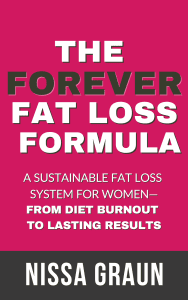


Leave a Reply