If you’ve ever wondered why do I bloat after eating—even after small or “healthy” meals—you’re not alone. Abdominal bloating is one of the most common digestive complaints, and for many, it becomes a regular, frustrating part of daily life.
The good news is this: bloating isn’t random, and it’s rarely just about the food itself. In most cases, bloating is a signal from your digestive system that one or more steps in the digestion process isn’t working as smoothly as it should.
This article is designed to explain why bloating happens after eating, what’s happening inside your digestive tract, and how to identify the root of your symptoms—without jumping straight to extreme dietary restrictions or relying solely on over-the-counter medications.
If you’ve been asking why do I bloat after eating—especially when meals seem normal or balanced—this article will help you understand what’s happening through a digestion-first approach and how to support digestion naturally over time.

Disclaimer: This article is for educational purposes only and does not replace medical advice. Always consult a qualified healthcare provider for diagnosis or treatment decisions. I’m not a doctor—I’m a health coach who lost over 100 pounds while improving my own digestive health using the same natural methods I teach on my website and YouTube channel.
This article contains affiliate links. I only recommend products I personally use and trust.
Why Do I Bloat After Eating Meals?
Bloating is typically described as a feeling of pressure, tightness, or fullness in the abdomen that can make the stomach feel swollen or uncomfortable. It’s often caused by a buildup of gas, slowed movement of food through the digestive tract, or changes in how your digestive system processes a meal.
While bloating can look or feel similar to weight gain or fat accumulation, it’s usually temporary and related to digestion—not body composition.
This can show up as a bloated stomach, tight abdominal muscles, mild discomfort, or painful bloating that interferes with daily activities.
Occasional bloating can happen to healthy people from time to time—especially after large meals, fizzy drinks, or eating too quickly. But regular or chronic bloating is often a sign of an underlying digestive issue.
Rather than being caused by one single factor, bloating tends to come from various factors working together, including digestion speed, gas production, gut bacteria balance, eating habits, and how food moves through your GI tract over time.
Why Do I Get Bloated After Eating—Even Small Meals?
Many people are surprised to notice bloating after smaller portions or frequent meals. When this happens, the issue is rarely the quantity of food—it’s the movement of food through your digestive system.

When food isn’t broken down effectively in the stomach, it can move into the small intestine too early, increasing gas production and bloating.
If stomach contents aren’t being properly broken down, they move into the small intestine too quickly or in a partially digested state. This can lead to excess gas and gas bubbles in the digestive tract as gut bacteria ferment undigested food, increasing intestinal gas and pressure.
Common contributors include:
- Low digestive capacity
- Impaired digestive enzymes
- Imbalanced gut microbiome
- Extra air swallowed while eating
This is why bloating can happen even when you eat mostly “clean” foods or when you follow a high‑fiber diet.
The Most Common Reasons You Bloat After Eating
Bloating doesn’t mean something is “wrong” with you—but it does point to where digestion may be breaking down. Below are the most common causes.
1. Excess Gas and Gas Production
While some gas is a normal byproduct of digestion, problems can arise when gas production becomes excessive.
Excessive gas can build when food isn’t fully digested before reaching the small intestine. Gut bacteria then ferment carbohydrates, producing carbon dioxide and other gases that stretch the abdominal wall.
This can lead to:
- A bloated feeling
- Abdominal or stomach pain
- Visible abdominal bloating
Certain types of carbohydrates—especially fermentable fibers found in foods like whole grains, onions and garlic, beans and lentils, and some high-fiber fruits—are more likely to increase gas production.
2. Food Intolerance vs. Food Sensitivities
A food intolerance—such as lactose intolerance with dairy products—can trigger bloating, intestinal gas, and abdominal discomfort. Food sensitivities may cause similar symptoms but often vary day to day.
Unlike allergies, these reactions are often dose‑dependent and influenced by gut health, gut bacteria, and digestive enzyme output.
Keeping a food diary can help some people identify trigger foods without unnecessarily eliminating whole food groups.
3. High‑Fiber Foods and Fiber Timing
Fiber is essential for regular bowel movements and gut health—but too much fiber, too fast, can worsen bloating.
High‑fiber foods, whole grains, and large quantities of raw vegetables can increase gas production if the digestive tract isn’t prepared for them. A high‑fiber diet isn’t a bad thing and can actually improve health outcomes long-term, however ramping up fiber slowly is important so intake matches your current digestive capacity.
4. Eating Habits and Extra Air
Eating too quickly, talking while eating, or consuming fizzy drinks can introduce excess air into the digestive tract. This “extra air” doesn’t get absorbed, and instead contributes to bloating and pressure.
Large meals, inadequate chewing, and eating late at night can also slow the movement of food, increasing the chance of abdominal bloating.
When Bloating Happens After Every Meal
If you always feel bloated after meals, this often points to a pattern, not a coincidence.
In some cases, persistent bloating may be associated with patterns seen in the following conditions:
- Digestive enzymes that are insufficient for current dietary habits
- Changes in bowel habits
- Imbalanced gut microbiome
- Small intestinal bacterial overgrowth (SIBO)
- Irritable bowel syndrome (IBS)
These conditions don’t develop overnight—and they rarely resolve by simply cutting out more foods.
When bloating shows up after nearly every meal, the common thread is rarely the food itself—it’s how consistently the digestive system is struggling to keep up.
These patterns often reflect ongoing stress on digestion over time, rather than a single trigger or short-term issue. Addressing bloating at this stage usually means focusing on digestive support and function, not further restriction.
Digestive Enzymes and the Breakdown of Food
Digestive enzymes play a key role in breaking food down so nutrients can be absorbed in the small intestine. When enzyme output is low or mismatched to your diet, food lingers longer than it should.
This can increase:
- Gas production
- Excessive gas
- Abdominal bloating
Supporting digestion doesn’t mean you need supplements forever, but enzyme support can be a helpful temporary tool while rebuilding digestive strength.
When Digestive Enzyme Support May Be Helpful
Enzyme support is most useful when bloating tends to show up after meals that are harder to break down—such as meals that are higher in protein, fat, or fiber. Supplementation can also be helpful during periods of dietary change, increased protein intake, or while rebuilding digestion after long-term restriction or digestive stress.
The goal of enzyme support isn’t to replace your body’s natural processes, but to reduce digestive strain while underlying function improves. When used thoughtfully, digestive enzymes can help reduce lingering food in the digestive tract, which may ease gas production and abdominal bloating over time.
If you’re considering digestive enzyme support, I’ve linked the enzyme I personally use as part of my digestion-first approach here.
If you prefer a visual explanation, this video walks through common digestive reasons bloating can occur after eating and how digestion may break down along the way.
Gut Bacteria, the Gut Microbiome, and Bloating
While gut bacteria are essential for health—balance still matters. When certain bacteria ferment food too aggressively or in the wrong location, gas and bloating can increase.
An altered gut microbiome may contribute to:
- Chronic bloating
- Excess gas
- Painful bloating
- Abdominal pain
This is why bloating often overlaps with IBS, SIBO, or after a bacterial infection.
What matters most isn’t the presence of gut bacteria, but where and when food is being fermented—especially when digestion is slow or incomplete upstream.
Supporting digestion earlier in the process can often reduce this downstream burden without needing to target bacteria directly. Some people choose to explore stomach acid support as part of this process, and I’ve linked the betaine HCL I personally use here.
Other Possible Causes of Bloating After Eating
There are several other factors that can influence bloating after eating, especially when digestion is already under stress.
These may include:
- Hormonal changes during your menstrual cycle
- Scar tissue that affects the movement of food
- Gastroesophageal reflux disease (GERD) or acid reflux
- Changes in activity level or regular exercise
- Stress affecting the GI tract
In some cases, persistent bloating may also overlap with medical conditions such as celiac disease or other underlying digestive issues.
When Bloating May Require Medical Attention
While bloating is common, there are certain symptoms that can warrant medical care or evaluation by a healthcare provider, such as:
- Unexplained weight loss
- Persistent bloating with pale skin or fatigue
- Severe abdominal pain
- Blood in stool
- Ongoing symptoms despite dietary changes
Blood tests, imaging, or further evaluation may be needed to rule out serious medical conditions.
For most people, bloating is uncomfortable but not dangerous—however, these signs are important to take seriously and discuss with your doctor.
What to Do First If You Bloat After Eating
If bloating is a common occurrence for you, there are steps you can take before jumping straight to a low‑FODMAP diet or removing multiple food groups.
If you’re unsure where to start, here are a few digestion‑friendly adjustments you can make:
- Eat smaller meals or smaller portions
- Slow down while you eat
- Take a short walk after meals
- Drink plenty of water
- Reduce or avoid fizzy drinks, especially with meals
- Space meals appropriately
Certain herbal teas—such as ginger, peppermint, or chamomile—are commonly used to support digestion, along with gentle movement.
These small changes help support digestion at its foundation and can provide valuable insight into how your body responds before making more drastic dietary changes.
The Root of Your Symptoms Matters
Bloating isn’t a failure of willpower or a sign that you’re doing something wrong. It’s your body communicating that digestion needs support.
The goal isn’t to eliminate foods forever—it’s to improve digestive function so your body can handle a wider variety of foods comfortably.
If bloating is regular, persistent, or worsening, it may be a sign of an underlying digestive issue that deserves attention—not restriction.
Understanding the root of bloating makes it easier to take supportive, informed next steps—without jumping to extremes.
Final Thoughts: Why Do I Bloat After Eating?
The good thing about bloating is that it’s often responsive to the right changes. By understanding how digestion works, identifying common culprits, and supporting gut health, many people see meaningful improvement.
If symptoms persist or interfere with daily life, working with a qualified healthcare provider or health coach can help you take the next right steps to improve your digestion.
Bloating isn’t the problem—it’s the message. Listening to it is the first step toward lasting digestive relief. Understanding why do I bloat after eating allows you to respond with support instead of restriction.
About the Author
Nissa Graun is a health coach who helps women improve digestion and build sustainable fat loss habits without extreme dieting. After losing over 100 pounds while navigating her own digestive challenges, she focuses on whole food-first strategies that support bile flow, stomach acid, and gut health naturally. She is the author of The Forever Fat Loss Formula, which teaches women how to eat more, train smarter, and improve digestion for long-term results.
Let's Connect!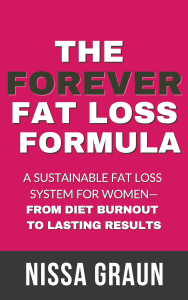


Leave a Reply