If you’re searching Xeneplex suppositories hoping to understand what makes this product different from other supplements, this article explains exactly that.
More specifically, it focuses on what Xeneplex suppositories are, how suppository delivery is typically discussed, and important safety considerations. It does not outline a detox routine, protocol, or treatment plan since it’s best to receive that information directly from your healthcare provider.
If you’re looking for a broader, bile-focused overview of how Xeneplex is discussed within digestion support frameworks, you can read about how Xeneplex fits into a bile-focused digestion strategy.
This page focuses specifically on the suppository delivery method and general safety considerations, rather than digestive strategy, detox protocols, or treatment guidance.

Disclaimer: This article is for educational purposes only and does not replace medical advice. Always consult a healthcare provider or qualified healthcare practitioner for diagnosis, treatment, or drug administration decisions.
I’m not a doctor. I am a health coach who lost over 100 pounds while improving my own digestive ailments via the same natural methods I teach my clients, on my website, and YouTube channel.
This article contains affiliate links. I only promote products I use and trust.
What Are Xeneplex Suppositories?
Xeneplex suppositories are a coffee-based product delivered in suppository form, placing them in a specific category of drug administration known as rectal use.
Unlike oral supplements that must pass through the stomach and upper digestive tract, suppositories are designed to dissolve and be absorbed through rectal tissue. Because of this delivery method, they are sometimes discussed when oral supplements are poorly tolerated.
This does not mean suppositories are stronger, safer, or more effective—only that they function differently.
Ingredients and Formulation (Label Overview)
According to the manufacturer’s label, Xeneplex suppositories contain a proprietary blend of organic free-trade coffee, typically combined with ingredients such as:
-
Organic coffee extract
-
Reduced glutathione
-
Pantothenic acid
-
Magnesium di-potassium EDTA
-
A base of organic cocoa butter
These ingredients are often discussed in alternative health contexts, but robust clinical evidence supporting broad detox or disease-related claims is limited. Always review the fine print and ingredient list carefully.
Because cocoa butter melts easily, the product must be stored below recommended temperatures. This is a practical consideration, not a therapeutic one.
Why Suppository Delivery Requires Caution
Suppository use is not a first-line approach in most digestive or wellness strategies.
That’s because rectal administration:
-
Bypasses the stomach
-
Alters absorption pathways
-
May increase sensitivity for some individuals
For this reason, suppository products should only be considered thoughtfully and conservatively—especially when combined with other supplements or medications.
This delivery method is very different from taking a single pharmaceutical prescribed by a physician, and it should not be treated casually.
Xeneplex Suppositories vs. Coffee Enemas
Xeneplex suppositories are sometimes compared online to coffee enemas, but these are not the same.
Coffee enemas involve introducing liquid into the colon, while suppositories are solid products designed to melt gradually. Claims about the benefits of a coffee enema are largely anecdotal and should not be assumed to apply to suppositories.
Within cautious, education-focused frameworks, aggressive detox practices—including frequent enemas or interventions like glutathione I.V.—are generally approached carefully or avoided altogether.
Who Should Be Especially Careful
Xeneplex suppositories may not be appropriate for everyone.
Extra caution is warranted for:
-
Individuals with an active medical condition
-
Those who are pregnant or breast feeding
-
People with known chemical sensitivities
-
Anyone taking medications where unwanted drug interactions are possible
Anyone experiencing ongoing health concerns, including digestive distress, endocrine system issues, or immune system challenges, should consult a qualified health care provider before considering suppository use.
Side Effects, Scope, and Medical Oversight
Because Xeneplex involves rectal use, side effects and tolerance vary widely. Products like this should never replace effective therapies prescribed by a licensed professional.
This article does not claim that Xeneplex suppositories:
-
Remove toxic metals
-
Eliminate toxic metabolic end products
-
Treat disease
-
Improve optimal health on their own
Those decisions require individualized medical advice.
Final Thoughts: Xeneplex Suppositories
Xeneplex suppositories are best understood as a delivery method, not a solution.
Their role, if any, should be discussed carefully with a health care practitioner who understands your full health picture. They are not intended to function as a standalone detox solution or routine.
🔗 Related Articles in This Series
-
Beet Flow Empirical Labs: How This Supplement Supports Healthy Bile Flow
-
7 Signs You Need Empirical Labs Beet Flow (and How to Fix Sluggish Bile Naturally)
About the Author
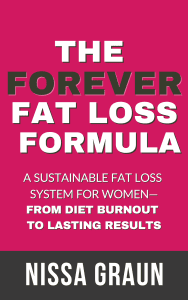
Nissa Graun is a health coach who helps women improve digestion and build sustainable fat loss habits without extreme dieting. After losing over 100 pounds while navigating her own digestive challenges, she focuses on whole food-first strategies that support bile flow, stomach acid, and gut health naturally. She is the author of The Forever Fat Loss Formula, which teaches women how to eat more, train smarter, and improve digestion for long-term results.


Leave a Reply